Encouraging Fair Play: Why It Matters in Youth Sports
22 June 2026
Youth sports are so much more than just scoring goals, hitting home runs, or crossing finish lines. They're about building character, making friends, and learning life lessons that follow kids well beyond the field. One of the most crucial lessons? Fair play.
Let’s be real—how many times have we seen intense sports games where players (or even parents!) forget the importance of good sportsmanship? Yep, it happens way too often. That’s why it’s vital to consistently encourage fair play in youth sports. Because when winning becomes more important than how the game is played, the true spirit of sports gets lost.
In this article, we’re diving into why fair play truly matters, how it shapes young athletes for life, and simple ways we—as coaches, parents, and even teammates—can nurture it from the sidelines to the spotlight.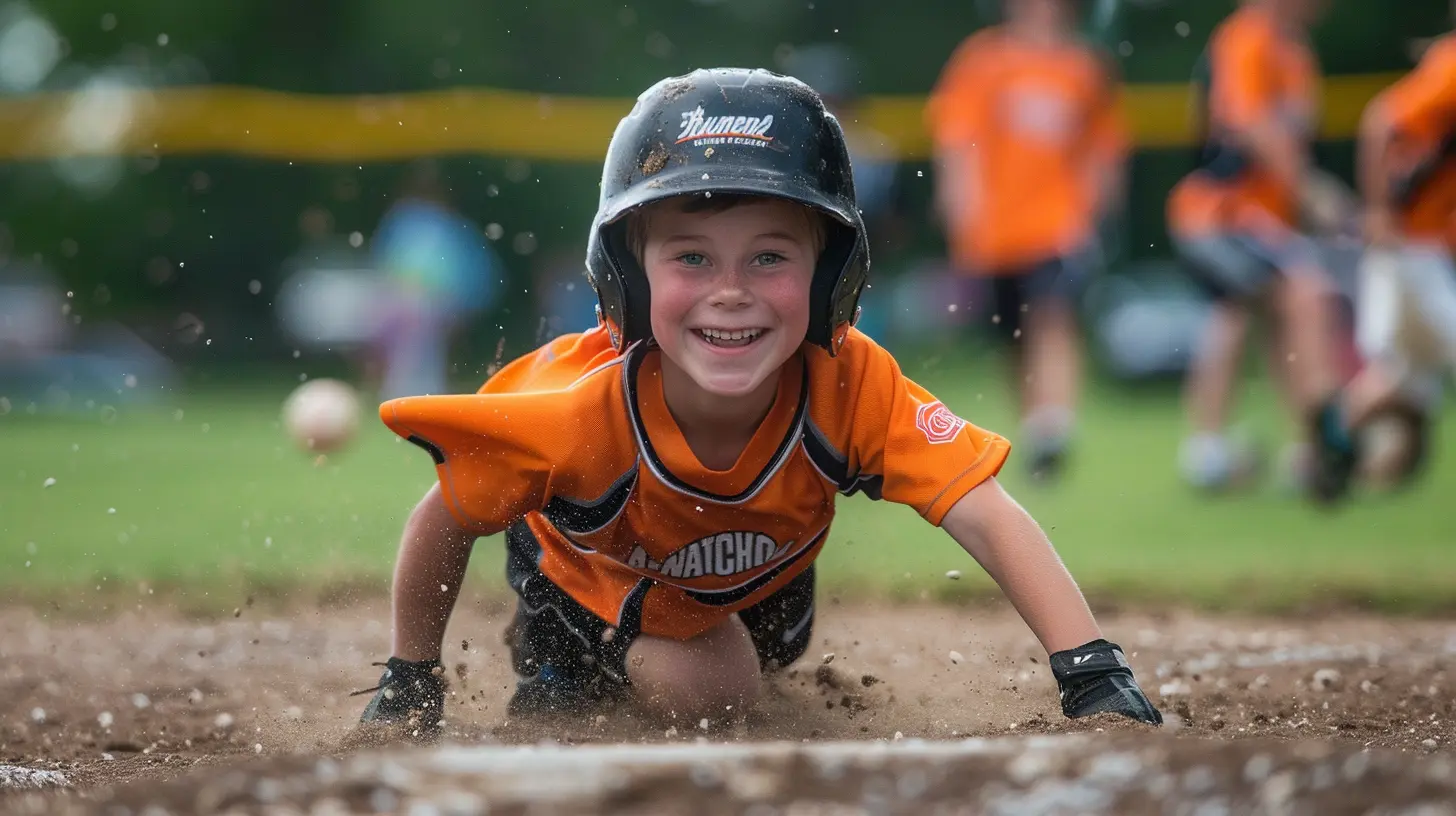
What Is Fair Play, Really?
Fair play isn’t just shaking hands at the end of the game or saying “good job” after a winning goal. Sure, those things help, but fair play runs deeper.At its core, fair play is about:
- Respect for opponents.
- Following the rules.
- Playing honestly.
- Accepting wins and losses gracefully.
- Supporting your teammates (even when they mess up).
It's the golden rule of sports: treat others the way you want to be treated—even in the heat of competition.
Think of it like this: if sports were a board game, fair play would be the instructions in the box. Without them, things would just spiral into chaos.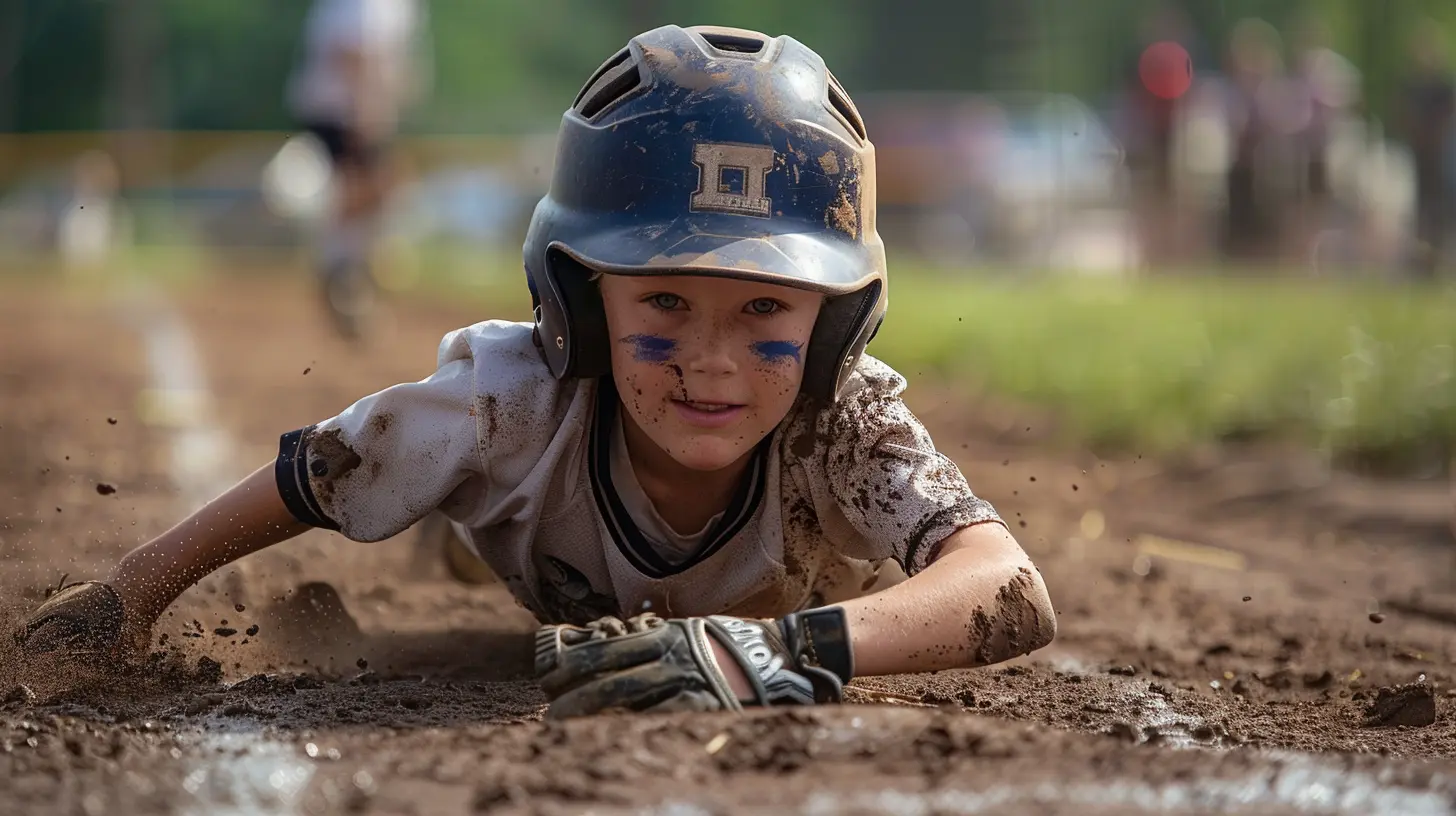
Why Is Fair Play So Important in Youth Sports?
So, what’s the big deal? Why should we care so much about how kids play the game rather than just what the scoreboard says? Let’s dig into the reasons.1. Builds Character From the Inside Out
Character isn’t built overnight. It's shaped by experiences—both good and tough. When kids learn to win respectfully and lose graciously, they develop grit, empathy, and humility.Fair play teaches kids that who you are is more important than what you achieve. That being kind, honest, and respectful means more than having a trophy on your shelf.
2. Prepares Kids for Real Life
Here’s the thing: not every child will grow up to be a pro athlete—but every child will grow up to face challenges, competition, and teamwork. Sports are like a mini version of real life, right?When kids learn fair play, they’re also learning how to:
- Handle failure and bounce back.
- Work with people they may not like.
- Speak up with confidence, but listen too.
- Follow rules even when no one’s watching.
Honestly, those are skills we could all use—on and off the field.
3. Creates a Safer and More Inclusive Environment
Let’s not forget how emotional sports can get. Tensions run high, and it’s easy for things to get… well, ugly. Fair play helps prevent things from boiling over.When mutual respect is encouraged, bullying is less likely, and kids of all skill levels feel welcome. It's not just about creating better players—it's about creating better people.
4. Keeps Sports Fun and Meaningful
At the end of the day, youth sports should be fun. Period.When fairness is thrown out the window, games get tense, players feel stressed, and the joy gets sucked right out. Encouraging fair play ensures that everyone—win or lose—walks away with good memories and lessons they’ll carry with them forever.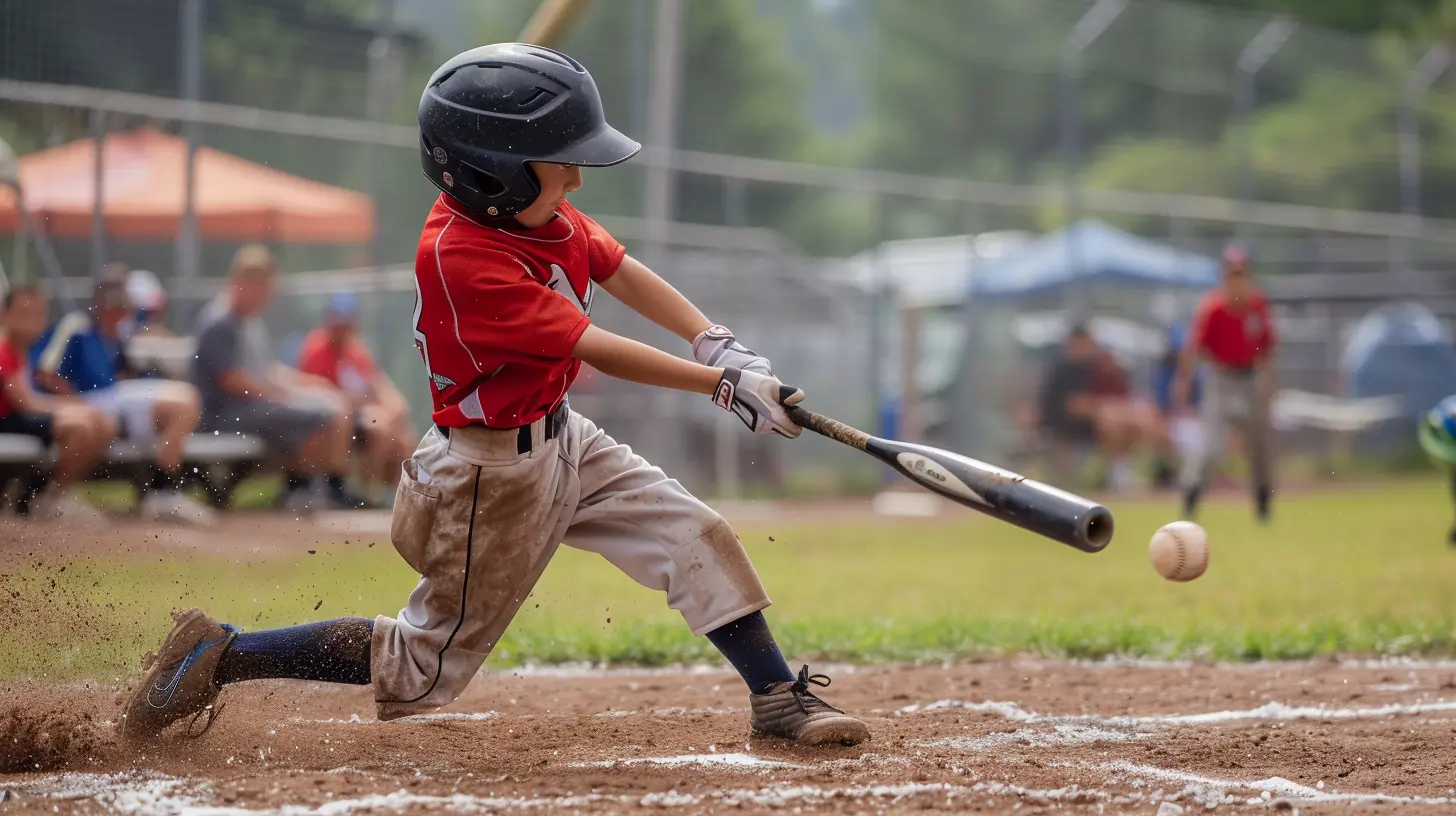
The Role of Coaches in Promoting Fair Play
Let’s be honest—coaches have a huge influence on how kids behave during games. They're not just teaching strategy or conditioning; they're shaping attitudes and values.Here’s how coaches can champion fair play:
Set the Tone Early
From the very first practice, coaches should talk about the importance of respect, honesty, and teamwork. These values should be part of every drill, every discussion, and every game.Lead by Example
Kids notice everything. If a coach screams at the ref or puts winning above everything, the players will do the same. Coaches need to model the same respect and sportsmanship they expect from their team.Reward the Right Things
Instead of just celebrating big wins or standout performances, coaches should praise moments of integrity. Did a player help up an opponent they knocked down? That’s gold. Acknowledge it.Foster Team Bonding
When teammates trust and support each other, fair play comes naturally. Coaches should build team spirit not just on the field but off it—team-building activities, group goals, or even pizza nights work wonders.
The Role of Parents: Cheering from the Sidelines (The Right Way)
Let’s not sugarcoat it—sometimes the worst sportsmanship comes not from kids, but the grown-ups watching them.Parents are a powerful piece of the fair-play puzzle. Here's how they can make a positive impact:
Be a Role Model
Kids mirror adult behavior. If parents argue with referees or criticize other players, kids will think that’s okay. Show calm, praise effort over outcome, and cheer for everyone—not just your kid.Focus on Growth, Not Glory
Instead of asking, “Did you win?” try asking, “Did you have fun?” or “What did you learn today?” That shift in focus changes everything.Back the Coaches and Refs
Teaching kids to respect authority figures starts at home. Support the officials and coaches, even when you don't fully agree. They're human too.Don’t Relive Your Glory Days
It’s not your game. It's your child’s journey, their experience. Let them enjoy it their way—mistakes, fumbles, and all.Teaching Players to Value Fair Play
You can preach fair play all day, but until kids actually feel why it matters, it won’t stick. Here are a few ways to make these values hit home.Use Real-Life Examples
Pull out examples from pro sports where athletes showed outstanding sportsmanship—or totally lost it. Talk through what happened and why it mattered.(Make it interactive. Ask things like: “What would you have done in that situation?” or “Do you think that was the right call?”)
Role-Playing and Practice
Yep, even fair play needs practice. Set up scenarios during practice where players need to make an ethical choice—was that foul intentional? Should you tell the ref the ball glanced off your foot?These little moments help prepare them for the real thing during a heated match.
Celebrate Integrity Moments
Make it a big deal when someone does the right thing. Create a “Fair Play Player of the Week” award. Throw in a fun prize. Kids will start to understand that how you play the game matters just as much as the final score.Overcoming the Win-At-All-Costs Mentality
Let’s be real—it’s tough to balance competitive drive with fair play. But it’s possible.Start by shifting the definition of success. Instead of focusing solely on outcomes, talk about effort, improvement, teamwork, and resilience.
Help kids see that how they play is part of the win. Because a dishonest win isn’t really winning, right?
One powerful message to share: “It's not about being the best ON the team—it's about being the best FOR the team.”
When Fair Play Is Put to the Test
Fair play isn't always easy. Imagine this: it’s the championship game. The score’s tied. There’s a questionable call. Your team could keep quiet and win… or speak up and risk losing.What would you want your kid to do?
These are the make-or-break moments where character is defined. And if we’ve done our job as mentors, parents, and coaches, we’ll trust them to make the right call—even if it’s the hard one.
The Lifelong Impact of Fair Play
Here’s the beautiful part—when kids consistently experience and practice fair play, those lessons stick.They grow into adults who:
- Value fairness in the workplace.
- Stand up for what's right.
- Know how to lead with integrity.
- Can disagree respectfully.
- Lift others up instead of stepping on them to rise.
These are the kinds of people we want in our communities. And it all starts with a game of soccer, a basketball court, or a little league field—and the simple, powerful choice to play fair.
In a Nutshell…
Fair play is the soul of youth sports. Without it, we lose the magic, the meaning, and the memories that make sports matter in the first place.So whether you're a coach drawing up plays, a parent packing orange slices, or a player lacing up cleats—remember: fair play isn’t just the right way to play, it’s the only way that truly counts.
Because at the end of the day?
Trophies gather dust. But character? That lasts a lifetime.
all images in this post were generated using AI tools
Category:
Youth SportsAuthor:

Uziel Franco
Discussion
rate this article
1 comments
Damien Rodriguez
Fair play builds character and respect in young athletes.
June 25, 2026 at 12:54 PM
Uziel Franco
Absolutely, fair play instills values that last a lifetime and shapes not just great athletes, but great individuals.