Esports Nutrition: What the Pros Eat to Stay on Top
20 July 2026
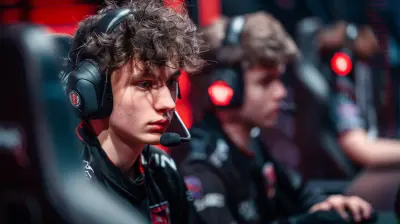
Esports has evolved into a multi-billion-dollar industry with professional gamers dedicating hours each day to perfecting their craft. While gaming might not seem as physically demanding as traditional sports, the intense focus, quick reflexes, and long hours of competition can take a toll on the mind and body. And just like athletes in traditional sports, esports players need to fuel their bodies properly to perform at their best.
But what does "fueling properly" mean for a pro gamer? What do the top esports athletes eat to keep their heads sharp and reflexes lightning-fast? In this article, we’re diving deep into esports nutrition, breaking down the foods and habits that help the pros stay on top of their game.
Why Esports Nutrition Matters
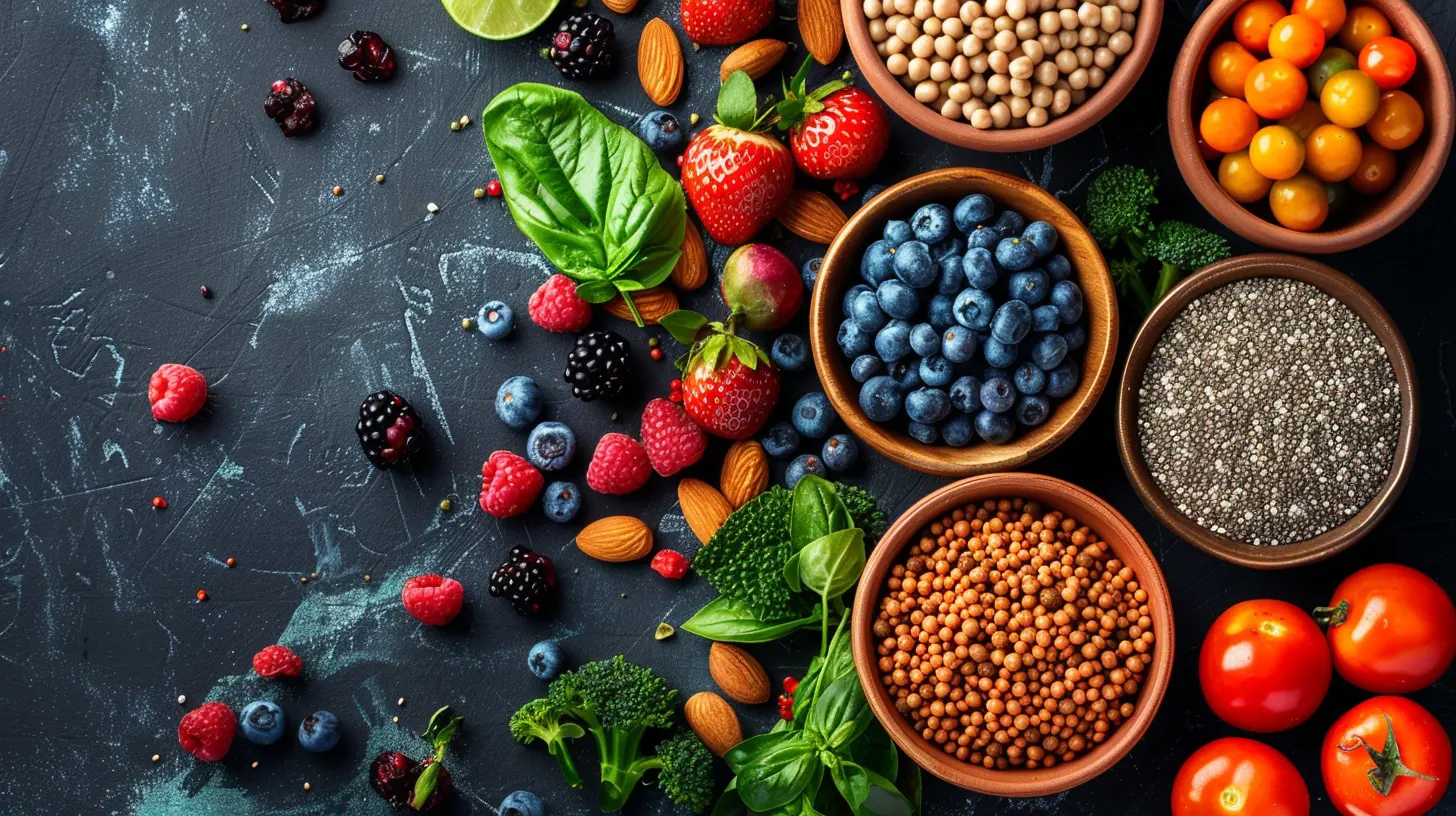
Before we get into the nitty-gritty details of what the pros eat, let’s answer an important question: why does nutrition even matter for esports?Think about it. If you’re sitting in front of a screen for hours, competing in a high-stakes tournament, every decision you make—every click, every keypress—needs to be precise. Your brain is working overtime, processing information in real-time, and your body needs to stay alert and ready for action. If you're not properly fueled, you risk brain fog, slower reactions, and eventually, burnout.
Nutrition affects everything from cognitive performance to energy levels and even mood. Just like a Formula 1 car needs the right fuel to perform, so do esports pros. You wouldn’t expect a race car to run on low-quality fuel, right? The same logic applies here. A gamer’s brain is their engine, and it runs best on premium fuel—healthy, balanced nutrition.
The Core Components of Esports Nutrition
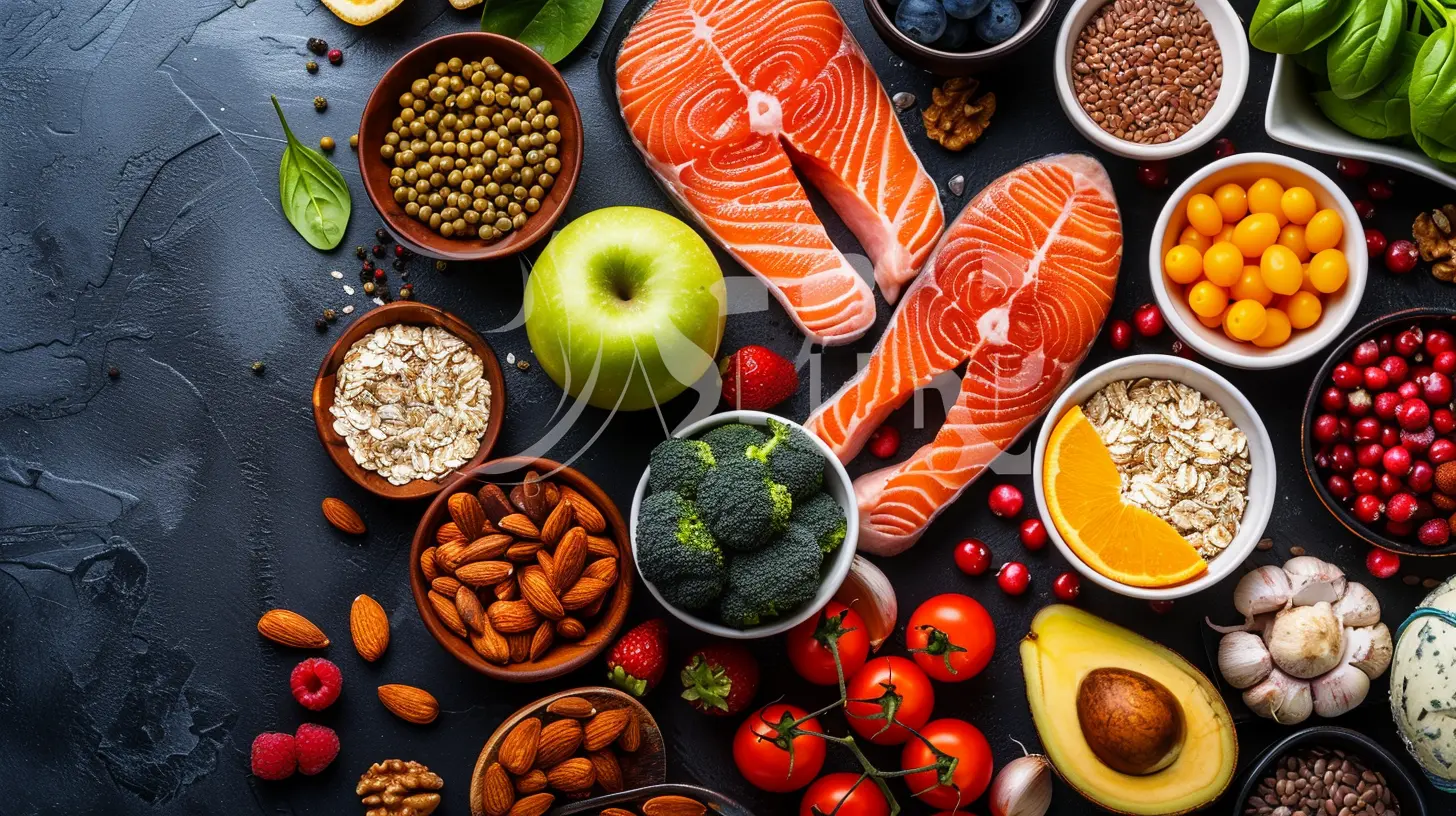
Esports professionals have specific nutritional requirements to maintain peak mental and physical performance. While these needs can vary depending on the individual, several key components are essential for anyone looking to elevate their game. Let’s break them down:1. Complex Carbohydrates: The Brain’s Fuel
Carbohydrates are the body’s primary energy source, and for gamers, they’re especially important. The brain consumes a significant amount of energy during prolonged periods of intense focus, and complex carbs provide a steady supply of glucose to keep cognitive functions running smoothly.But not all carbs are created equal. Simple carbs, like those found in sugary snacks, might give you a quick burst of energy but can lead to a crash later on. Instead, esports pros opt for complex carbohydrates, which are digested slowly, providing long-lasting energy.
Foods rich in complex carbohydrates include:
- Whole grains (like brown rice, quinoa, and oatmeal)
- Sweet potatoes
- Legumes (like lentils and chickpeas)
- Vegetables (like broccoli and spinach)
These foods help to maintain steady blood sugar levels, preventing the energy dips that can lead to sluggish performance.
2. Lean Protein: For Muscle and Brain Health
While it’s true that esports doesn't require the same physical exertion as football or basketball, protein is still a crucial part of a gamer’s diet. Not only does protein support muscle repair (yes, gamers do need to take care of their posture and muscles!), but it’s also key for brain health. Amino acids, the building blocks of protein, are essential for neurotransmitter production, which impacts mood, focus, and reaction times.Top esports pros often include lean protein in their meals to keep their bodies and minds in top condition.
Some excellent sources of lean protein include:
- Chicken breast
- Turkey
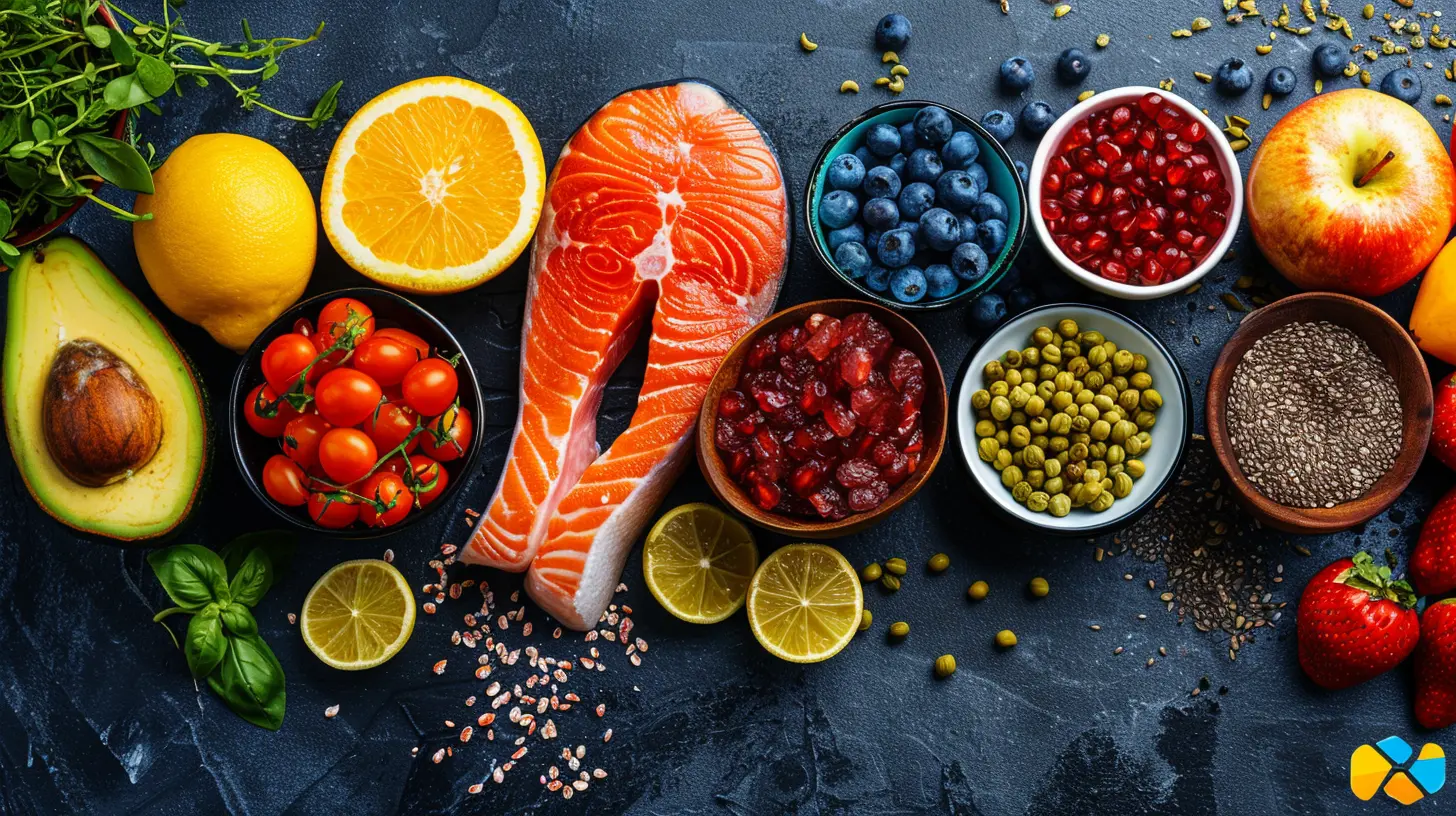
- Fish (like salmon or tuna)
- Eggs
- Plant-based options like tofu, tempeh, and beans
3. Healthy Fats: For Brain Power and Focus
Contrary to what some might believe, fat is not the enemy—especially for esports athletes. Healthy fats are essential for brain health and cognitive performance. These fats, particularly omega-3s, help maintain the structure of brain cells and reduce inflammation, which can enhance focus and memory.Foods rich in healthy fats include:
- Avocados
- Nuts and seeds (like almonds, walnuts, flaxseeds, and chia seeds)
- Fatty fish (like mackerel, sardines, and salmon)
- Olive oil and coconut oil
These fats keep the brain in peak condition, allowing for better decision-making and quicker reflexes during gameplay.
4. Vitamins and Minerals: The Unsung Heroes
Vitamins and minerals often don’t get the credit they deserve, but they play a crucial role in esports performance. For example:- B vitamins help with energy production and brain function.
- Magnesium is important for nerve function and can reduce stress and anxiety.
- Zinc supports cognitive function and memory.
- Vitamin D (which many gamers might lack due to spending long hours indoors) is critical for mood regulation and cognitive performance.
Esports pros often include a variety of fruits and vegetables in their diet to ensure they’re getting a wide range of vitamins and minerals. Superfoods like blueberries, spinach, and broccoli are popular choices because of their high nutritional value.
5. Hydration: The Overlooked Element
Let’s be honest, hydration isn’t the first thing that comes to mind when you think of esports. But staying hydrated is just as important as eating the right foods. Dehydration can lead to fatigue, difficulty concentrating, and slower reaction times—all of which are a nightmare for pro gamers.Esports athletes aim to drink plenty of water throughout the day. Some also opt for hydrating beverages that contain electrolytes, especially during long practice sessions or tournaments.
A good rule of thumb? Aim for at least eight glasses of water a day, and more if you’re sweating it out in a tense gaming session.
6. Caffeine: A Double-Edged Sword
Let’s talk about caffeine, the fuel behind many a late-night gaming session.While caffeine can help improve alertness and concentration, it’s a double-edged sword. In moderation, caffeine can enhance performance by making players more focused and quicker to react. However, too much caffeine can lead to jitters, anxiety, and eventually, a crash that leaves you more tired than before.
Many esports pros drink coffee or tea for a mild caffeine boost, but they are mindful of not overdoing it. Some prefer green tea, which contains less caffeine and also offers additional cognitive benefits thanks to its antioxidants.
7. Meal Timing: When and How Pros Eat
In esports, meal timing can be just as important as what you eat. Pros are strategic about when they eat to avoid energy crashes during critical moments, like a tournament.Typically, esports athletes aim to eat balanced meals every 3-4 hours to keep their energy levels consistent throughout the day. This means having regular meals and snacks that provide a mix of carbohydrates, protein, and healthy fats.
Some common pre-game meals include:
- Oatmeal with fruits and nuts
- Grilled chicken with quinoa and vegetables
- Smoothies with spinach, berries, protein powder, and almond butter
These meals provide a slow, steady release of energy, ensuring that players stay sharp during long gaming sessions.
Supplements: Are They Necessary?
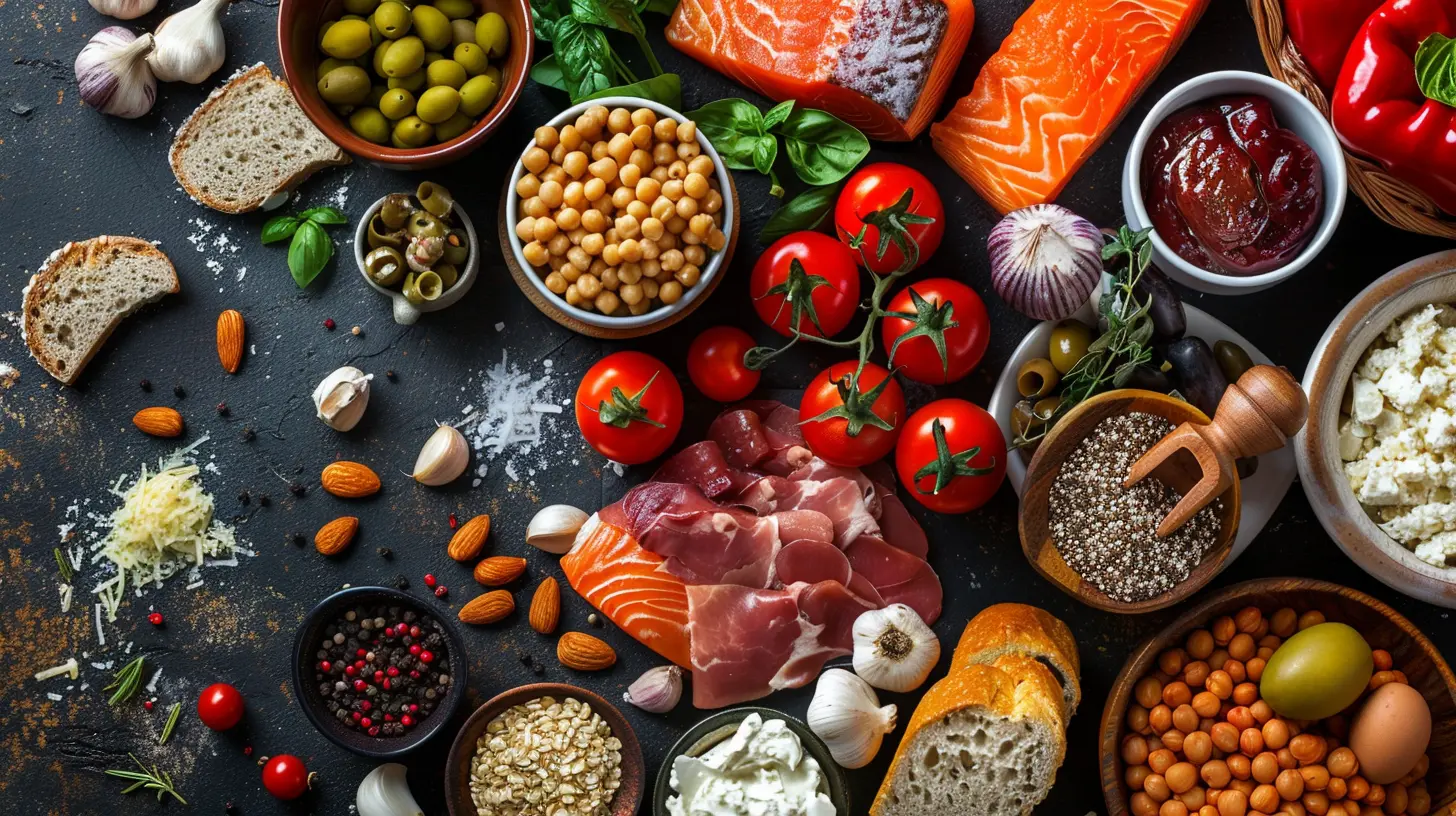
Many esports athletes use supplements to fill in the nutritional gaps in their diet. However, it’s important to note that supplements should never replace real, whole foods. Supplements are just that—supplements. They’re meant to complement a healthy diet, not be a substitute for one.Some common supplements used by esports athletes include:
- Omega-3 supplements (for brain health)
- Multivitamins (to cover any vitamin or mineral deficiencies)
- Caffeine or nootropics (for cognitive enhancement)
- Protein powders (for those who struggle to get enough protein from food)
Again, it’s always best to focus on getting nutrients from whole foods first, and then consider supplements if needed.
Cheat Meals: Do Esports Pros Indulge?
Let’s get real. Even the most disciplined esports players indulge in their favorite treats from time to time. After all, balance is key. Cheat meals can be a great way to reward yourself after a long week of training or a big win.However, the best pros know how to enjoy treats in moderation and make sure that the occasional indulgence doesn’t derail their overall nutrition plan.
Conclusion
In the world of esports, success isn’t just about skill or strategy—it’s also about what you put into your body. Top esports athletes understand that nutrition plays a vital role in their performance, and they fuel themselves with a balanced mix of complex carbohydrates, lean protein, healthy fats, and a variety of vitamins and minerals.Whether you’re a casual gamer or an aspiring pro, taking a page out of the esports nutrition playbook can help you stay sharp and energized, both in and out of the game. So, next time you sit down for a long gaming session, think about what you’re fueling up with—because what you eat can make all the difference.
all images in this post were generated using AI tools
Category:
EsportsAuthor:

Uziel Franco