How Esports Is Paving the Way for Inclusivity in Gaming
14 May 2026
Let’s be real—gaming has come a long, long way. What once started as pixelated blobs on bulky screens has now evolved into a global entertainment behemoth. And at the heart of this digital revolution? Esports.
But here’s the twist: esports isn’t just about flashy plays, million-dollar prize pools, or cheering fans in crowded arenas. It’s doing something way more meaningful—it's breaking barriers and welcoming players from all walks of life. Yep, esports is quietly (and sometimes not-so-quietly) becoming a force for inclusivity in gaming.
Sit back, grab a snack, and let’s unlock how esports is changing the game—for everyone.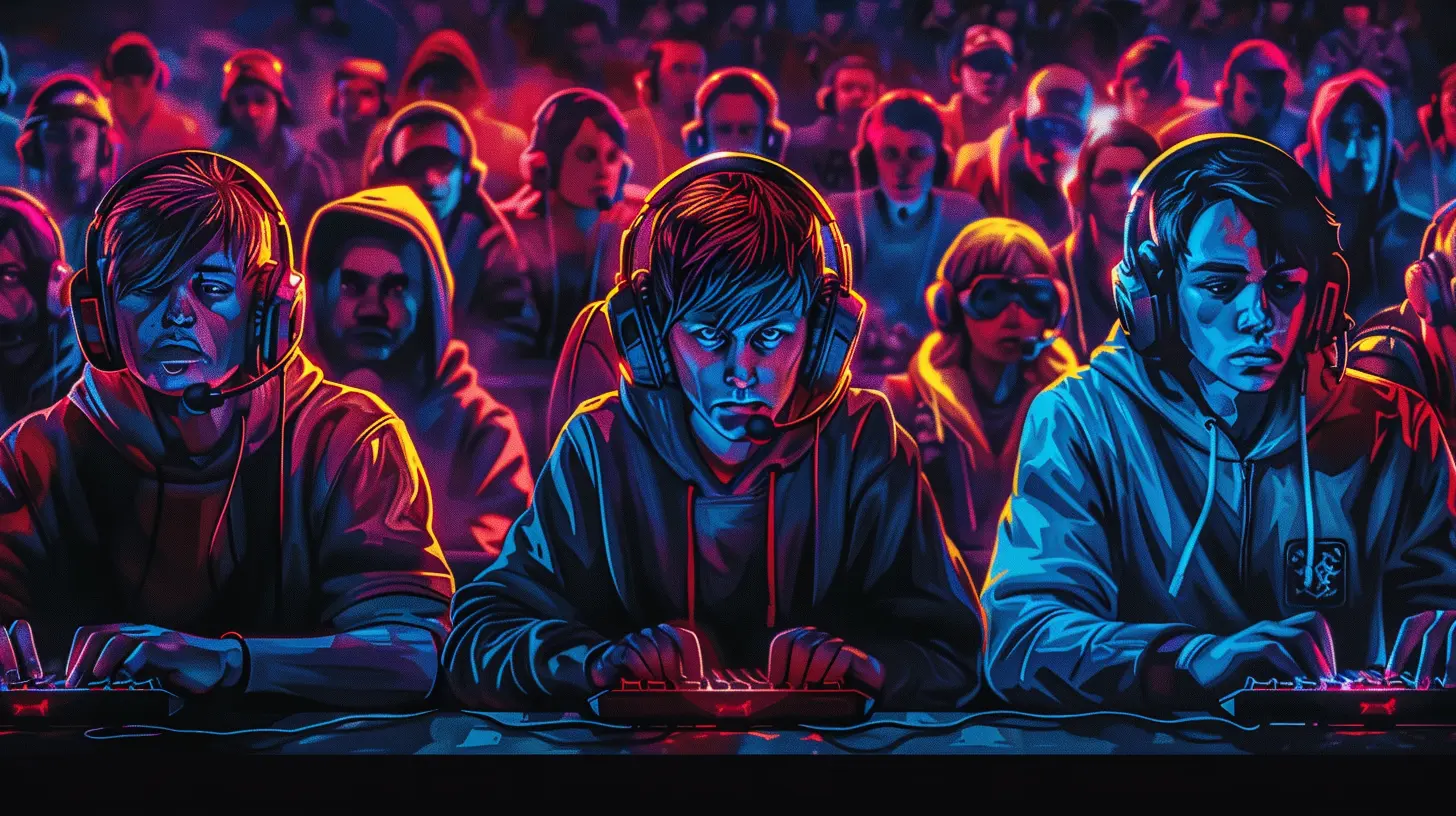
Gaming: Once a Niche, Now a Global Culture
Back in the day, gamers were often stereotyped as teenage boys glued to CRT monitors in dark basements. Fast forward to today, and the gaming world has exploded into a diverse, vibrant, and inclusive community.Esports, the competitive side of video gaming, is leading this culture-shift. From Twitch streams to massive international tournaments, esports is now a mainstream spectacle that's helping redefine who gets to be a part of gaming.
But this isn’t just about popularity—esports is challenging outdated norms and creating safer, more welcoming spaces for everyone to play.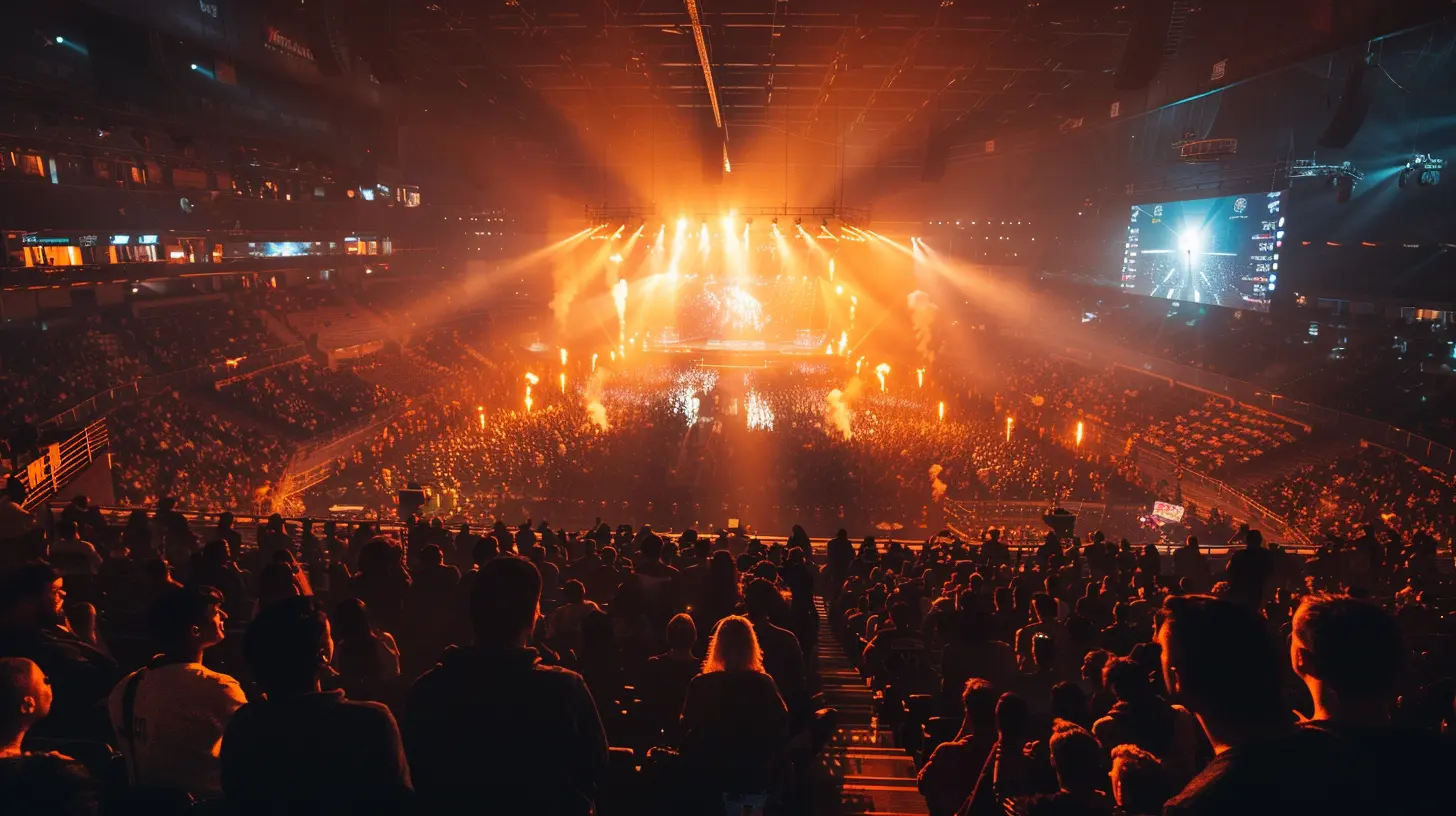
Leveling the Playing Field: Esports Opens Doors
What makes esports especially unique is how accessible it is. Unlike traditional sports, where physical ability can be a limiting factor, esports allows people of all physical backgrounds to compete. Got a PC or console and a passion for gaming? You're already in the arena.This opens the floodgates for gamers who might’ve been sidelined before—people with disabilities, folks from underrepresented communities, and even different age groups. In esports, there's no such thing as “you don't belong here.”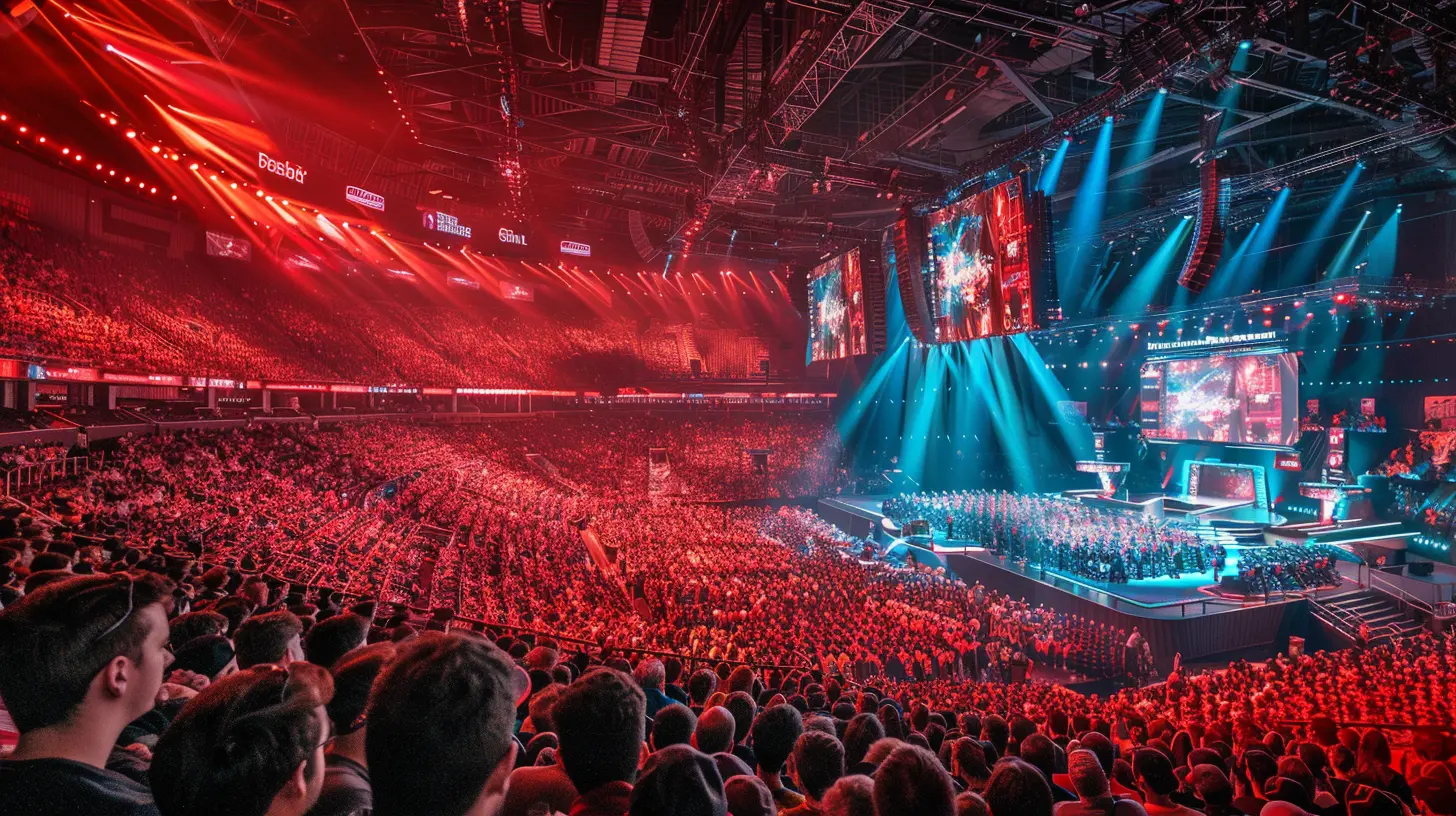
Representation Matters—And Esports Gets It
Let’s talk about something crucial here: representation.When you see someone like you crushing it on the big stage, it hits different. It sends a message—"Hey, you can do this too." Esports is slowly but surely putting diverse faces front and center.
Whether it’s women dominating League of Legends tournaments, Black streamers growing massive fanbases, or LGBTQ+ players building supportive teams, the message from the esports world is loud and clear: you’re welcome here.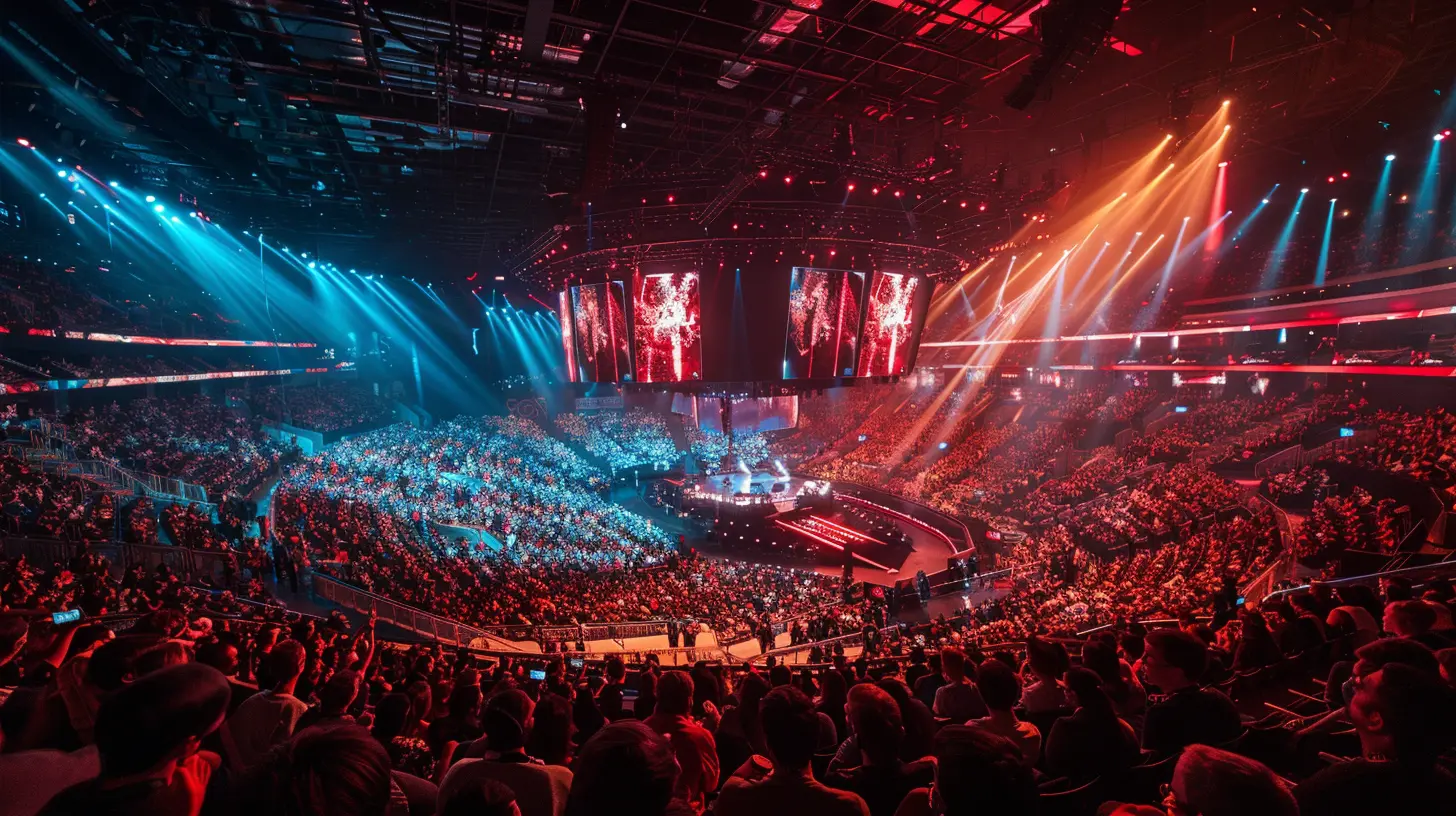
Women in Esports: Breaking the Myth, Smashing the Stereotypes
Gaming hasn’t always been the most friendly place for women—let’s not sugarcoat it. But esports is actively working to rewrite the narrative.Organizations are creating women-only leagues and tournaments, not to sideline female players, but to give them a platform to shine without harassment or gatekeeping. Think Valorant Game Changers or the Women's Esports League. These aren’t just niche side-events—they're launching pads for serious talent.
And trust me, when women are given the space to thrive in esports, they deliver. From shoutcasters to pro players, women are now claiming their well-deserved spot in the spotlight.
LGBTQ+ Visibility: Creating Safe Spaces Online
For the LGBTQ+ community, gaming can be a double-edged sword. It’s a place where you can express yourself freely, but it can also be harsh and unkind. That’s where esports steps in—offering a more structured and moderated environment.Many esports organizations now proudly support LGBTQ+ players and causes. Content creators and streamers like Nikatine and Punz have used their platforms to speak out and represent. Plus, there are entire teams and communities—like Queer Women of Esports—making sure this isn't just tolerance, but genuine celebration of diversity.
Inclusivity isn’t just about allowing different identities to exist—it’s about making sure they thrive. And esports is catching on fast.
Disability Is Not a Limitation in Esports
Here’s a game-changer: in esports, players with disabilities are also showing that limitations don’t define skill. Adaptive technology and innovative game design have opened the door wide open for gamers previously left out of the spotlight.Custom controllers, eye-tracking software, and voice commands are making it possible for people with all kinds of physical challenges to compete at high levels. Teams like AbleGamers are not just advocates—they’re proof that gaming should be inclusive by design.
And let’s face it: seeing someone crush a match using nothing but eye movement? That’s not just inclusive—it’s downright inspiring.
Social Impact: Esports as a Platform for Change
Esports doesn’t exist in a vacuum. It reflects the real world and can influence it too. With global reach and massive audiences (we're talking millions of people tuning in), esports is becoming a powerful engine for social change.Tournaments supporting causes like racial justice, mental health awareness, and gender equality are popping up more frequently. Big names—both players and brands—aren’t afraid to speak out and spark change.
In other words, esports is no longer just about the game—it’s about what the game stands for.
Accessibility in Design: Games Built for All Players
Let’s talk about game developers for a sec. They're finally starting to listen to the community and are designing games that are more inclusive—especially for esports-friendly titles.Things like customizable controls, colorblind modes, and voice-to-text options are slowly becoming standard. And it’s not just a nice-to-have anymore—it’s an absolute must if we want to keep pushing toward a truly inclusive esports culture.
The more accessible the game, the more people can join the competition. And isn’t that the whole point?
Online Communities: Where Belonging Begins
You know what’s cool? You don’t need to be in a stadium to be part of esports. Online communities—whether on Discord, Reddit, or Twitch—are where inclusivity often starts. These are the places where people find teams, friendships, and support systems.Moderated servers, inclusive Twitch channels, and diverse community events are helping people feel safe, heard, and part of something bigger.
And here’s the kicker: when you feel like you belong, you play better. It’s a win-win, really.
Challenges Still Exist (Let’s Keep It Real)
Okay, let’s not pretend it’s all rainbows and GG’s out there.Toxicity is still a huge issue in gaming and esports. Trash talk is one thing, but racism, sexism, and harassment are absolutely not okay. While strides are being made, the industry still has a long road ahead when it comes to enforcing stricter codes of conduct and promoting respectful play.
But here's the light at the end of the tunnel: more and more organizations are taking action, banning toxic players, and promoting positive behavior. Change is happening—not always fast, but definitely steady.
What’s Next? The Inclusive Future of Esports
So, where do we go from here? Honestly, the sky’s the limit.With organizations, players, and fans increasingly pushing for inclusion, the future of esports looks a lot more welcoming than its past. Initiatives to increase diversity, tech that makes games more accessible, and a new generation of gamers that values respect and representation? That’s a formula for a more inclusive, vibrant esports scene.
And if everyone has a seat at the table—or a spot on the digital battlefield—then we all win.
Final Thoughts: Everybody Wins When Everyone Plays
Esports isn’t just reshaping what it means to be a gamer—it’s redefining who gets to be one.So whether you’re a seasoned player, a casual fan, or someone just peeking into this wild world, know this: there’s room for you here.
And that might just be esports’ greatest achievement yet.
all images in this post were generated using AI tools
Category:
EsportsAuthor:

Uziel Franco
Discussion
rate this article
1 comments
Kendra McCaw
Great article! It's inspiring to see how esports is promoting inclusivity in gaming. This shift not only brings diverse voices together but also creates a welcoming environment for all players.
May 16, 2026 at 11:37 AM
Uziel Franco
Thank you! I'm glad you found the article inspiring. Inclusivity in esports truly transforms the gaming community for the better.