The Evolution of Sports Sponsorship: From Jerseys to Digital Platforms
6 January 2026
Sports sponsorship has undergone a tremendous transformation over the years. What was once as simple as slapping a brand's logo on a jersey has now evolved into a powerful, multifaceted industry that leverages the latest technological advancements and marketing trends. From the early days of sports advertising to today's digital-first world, the journey of sports sponsorship is a fascinating one. So, let’s dive into how we went from jerseys to digital platforms and beyond, shall we?

Early Days of Sports Sponsorship: The Jersey Era
In the early days of professional sports, sponsorship was pretty straightforward. Sponsors would slap their logos on jerseys, stadiums, or even sports equipment. It was a win-win situation for both parties. The teams and athletes would get financial backing, and sponsors would get visibility in front of large audiences. Simple, right?Think back to the early 20th century when sports really started to become a commercial entity. Back then, sports sponsorship revolved around physical branding. You’d see company logos on athlete uniforms, billboards, and other physical mediums. It was all about visibility. The more your logo was seen, the better your brand awareness.
One of the early pioneers in this field was Coca-Cola. In the 1928 Olympics in Amsterdam, Coca-Cola became one of the very first global sponsors. They focused on plastering their logo everywhere, ensuring that every sports fan would associate their product with the games.
But, as you can imagine, things didn’t stay the same for long.

The Growth of Television and the Globalization of Sports
The 1950s and 60s saw the rise of television, which was a game-changer for sports sponsorships. Suddenly, companies could reach millions of people from the comfort of their living rooms. This changed the dynamics of how brands approached sponsorship deals.Television brought sports into homes, giving brands unprecedented reach. Companies could now associate their products with the thrilling moments of a live game. Remember those iconic commercials during Super Bowl broadcasts? Brands started to realize that they weren’t just sponsoring teams or players—they were sponsoring experiences.
This period also saw the globalization of sports. With televised sports events reaching international audiences, brands could now tap into markets they hadn't even dreamed of before. Companies like McDonald's and Nike started to recognize the potential of sports sponsorships on a global scale, leading to the explosion of international sponsorship deals. Their logos weren't just on jerseys anymore—they were on our screens, in our newspapers, and eventually, on our digital devices.
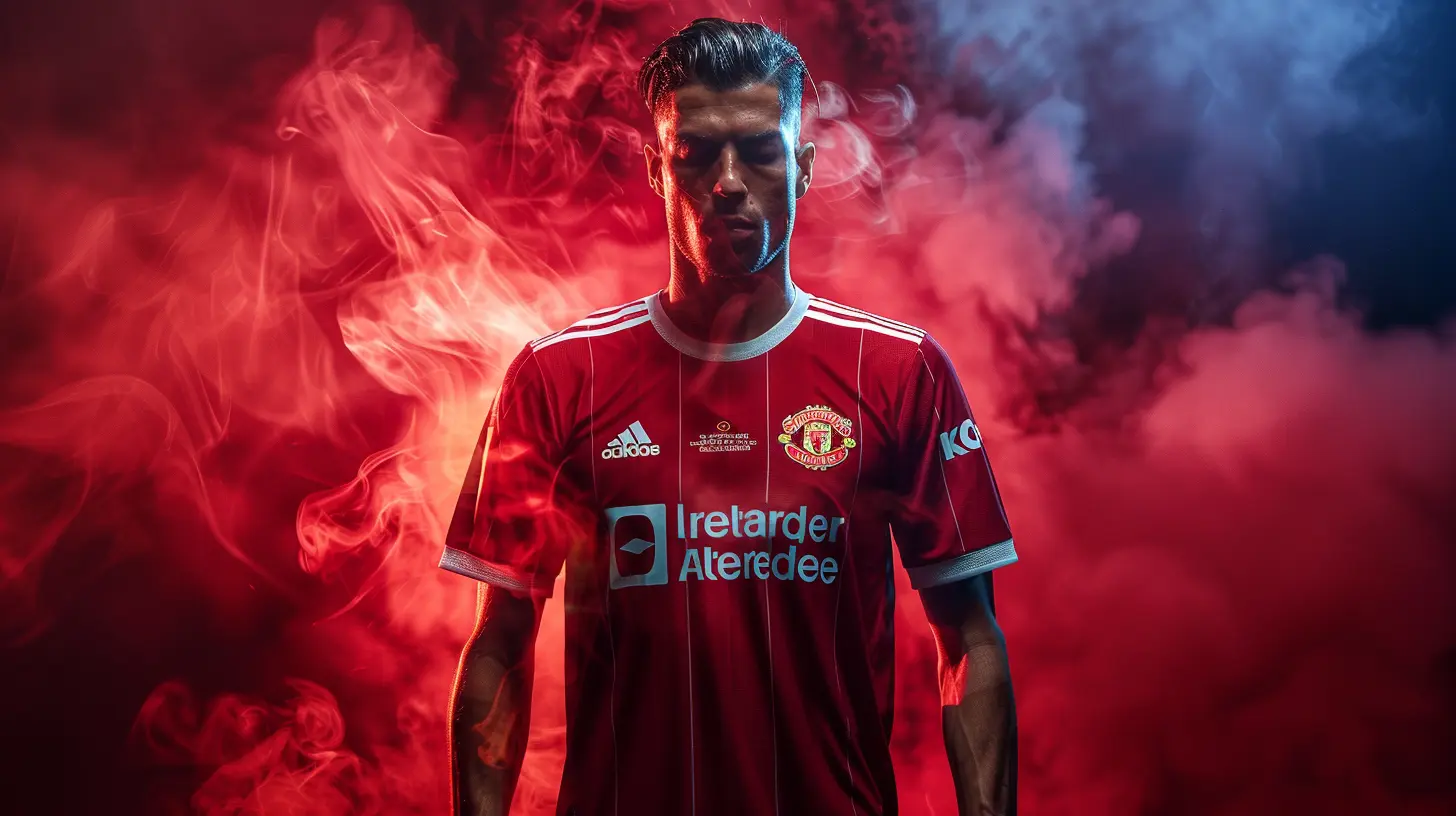
The Digital Revolution: Entering the Age of the Internet
The late 1990s and early 2000s came along, and boom—the internet arrived. The digital age turned everything on its head, and sports sponsorship was no exception.Brands began to shift their focus from physical jerseys to online platforms. Suddenly, websites, online broadcasts, and social media became the new billboards. Sponsorship had moved from the field to the digital world. This transition not only created new avenues for advertising but also changed the way brands interacted with fans.
Remember when companies would sponsor entire websites dedicated to sports? Or when streaming sports events became a thing? Well, that was just the start. The internet provided brands with more data about their audiences, allowing for more targeted sponsorship deals. It was no longer just about plastering a logo on a screen—it was about engaging with the fans in a meaningful way.

Social Media: A Game-Changer for Sports Sponsorship
Social media is where things really kicked into high gear. Platforms like Facebook, Twitter, Instagram, and YouTube have completely revolutionized how brands sponsor sports teams and athletes. Why? Because now, brands have a direct line to their consumers.Athletes and teams started building massive followings on social media, and brands quickly realized they could leverage this in a big way. Instead of a passive logo on a jersey, brands could now engage directly with fans through sponsored posts, contests, and behind-the-scenes content.
Think about it—LeBron James posts a photo on Instagram, and it immediately gets millions of likes. When he’s wearing Nike gear in that photo, that’s a direct sponsorship deal happening in real-time. The engagement is instant, and the reach is global. Pretty clever, right?
Brands also started using social media to tie their sponsorships into larger marketing campaigns. For example, during major events like the FIFA World Cup or the Olympics, you’ll see brands launching hashtag campaigns, posting live updates, and even engaging with fans through polls and quizzes. It’s all about interaction.
The Rise of Influencer Marketing: Athletes as Brand Ambassadors
Another interesting evolution in sports sponsorship is the rise of influencer marketing. And who better to serve as influencers than athletes themselves?In the past, athletes would endorse brands through commercials or print ads. But now, with social media, athletes have become full-blown influencers. Take Cristiano Ronaldo, for instance. He’s not just a soccer player; he’s a global brand. His Instagram account is one giant billboard for his sponsors.
Athletes today are more than just sports stars—they're content creators, brand ambassadors, and influencers. They post about their training regimens, their daily lives, and of course, their sponsors. And because fans feel a personal connection to these athletes, they are more likely to trust the brands they endorse.
This shift has allowed brands to create more personalized, authentic sponsorship deals. Instead of just paying for a logo on a jersey, brands are paying for access to the athlete’s personal brand and their direct line to millions of fans.
Esports: The New Frontier of Sports Sponsorship
If you think traditional sports sponsorships have evolved dramatically, wait until you hear about the rise of esports. The world of competitive gaming has exploded in recent years, creating a brand-new avenue for sponsorships.Esports tournaments attract millions of viewers, and brands have taken notice. We're not just talking about gaming companies either. Mainstream brands like Coca-Cola, Red Bull, and even automobile manufacturers have jumped on the esports bandwagon. Why? Because esports offers access to a young, tech-savvy audience that is often harder to reach through traditional sports.
Sponsorship in esports operates a bit differently. While you might not see logos on jerseys as often, you’ll see brands sponsoring entire teams, streaming platforms, or even individual gamers. And because esports is inherently digital, it opens up countless opportunities for innovative sponsorship models, including in-game branding, sponsored streams, and even virtual events.
Esports is still a relatively new frontier, but it’s already proving to be a lucrative avenue for brands looking to diversify their sponsorship portfolios.
Data-Driven Sponsorships: The Role of Analytics
Data has become a critical part of modern sports sponsorship. With the rise of digital platforms, brands now have access to an overwhelming amount of information about their audience. They can track everything from how many people watched a sponsored video to how many likes a social media post received.This data-driven approach allows brands to tailor their sponsorships more effectively. Instead of making broad, generalized deals, they can now create highly targeted campaigns aimed at specific demographics. For example, if a brand knows that a particular team has a huge following among millennials, they can craft a sponsorship campaign that specifically appeals to that age group.
It’s no longer about just slapping a logo on a jersey and hoping for the best. Brands now expect to see measurable results from their sponsorship deals, and data analytics is the key to making that happen.
The Future of Sports Sponsorship: What’s Next?
So, what does the future hold for sports sponsorship? If the past few decades are anything to go by, the sky’s the limit.One area that's poised for growth is virtual and augmented reality. As these technologies become more mainstream, we can expect to see brands leveraging them for immersive sponsorship experiences. Imagine watching a game in virtual reality and seeing branded content integrated seamlessly into the environment. Or participating in augmented reality challenges sponsored by your favorite sports brand. It sounds like science fiction, but it’s closer than you think.
Additionally, brands are likely to continue focusing on more personalized and engaging sponsorships. The days of passive logo placements are behind us. Fans expect more interaction and authenticity, and brands will have to deliver.
Finally, with the continued rise of women’s sports and diversity in sports, we can expect to see brands aligning themselves with causes that resonate with today’s socially conscious audiences. In the future, sponsorship deals will not just be about visibility—they’ll be about values.
Conclusion
The evolution of sports sponsorship has been nothing short of remarkable. From the simple days of logos on jerseys to the complex, data-driven digital campaigns we see today, the landscape has changed dramatically. As technology continues to advance, so too will the world of sports sponsorship. One thing, however, is certain—sports will always be a powerful platform for brands to connect with audiences, and sponsorship will continue to play a crucial role in that relationship. So, whether it’s on the field, on our screens, or in a virtual reality headset, sports sponsorship is here to stay.all images in this post were generated using AI tools
Category:
Sponsorship DealsAuthor:

Uziel Franco
Discussion
rate this article
2 comments
Cody McElveen
This article insightfully captures the dynamic shift in sports sponsorship, highlighting how digital platforms have transformed athlete-brand relationships and engagement strategies in today's market.
February 14, 2026 at 1:50 PM
Uziel Franco
Thank you! I'm glad you found the article insightful. The shift to digital has truly redefined how athletes and brands connect.
Iris Cross
The evolution of sports sponsorship reflects broader societal shifts, illustrating how digital platforms have transformed brand engagement. As the lines blur between fandom and commerce, we must consider the implications on authenticity and community. Will this digital age enhance the athlete's voice or dilute the spirit of sport?
January 14, 2026 at 3:56 AM
Uziel Franco
Thank you for your insightful comment! The digital age indeed presents both opportunities and challenges for athletes, as it can amplify their voices while also risking the authenticity of sport. Balancing these elements will be crucial as we navigate this evolving landscape.
![From High School Phenom to Professional Star: [Player Name]s Journey](/pictures/blog/small/from-high-school-phenom-to-professional-star-player-names-journey_1.webp)