How Sponsorships Are Going Beyond Logos and Jerseys
15 June 2026
Sponsorship in sports? Yeah, it’s no longer just about slapping a logo on a player's jersey and calling it a day. Today, sponsorships have evolved into something much bigger, more strategic, and, honestly, way cooler. Brands aren’t merely looking for visibility—they’re chasing connection, authenticity, and deep engagement.
If you're thinking the same old banner ads on sidelines and TV spots during halftime still cut it, buckle up. We're diving into how sponsorships are shaking off the traditional rules and stepping into a new era that blends tech, storytelling, and community impact.
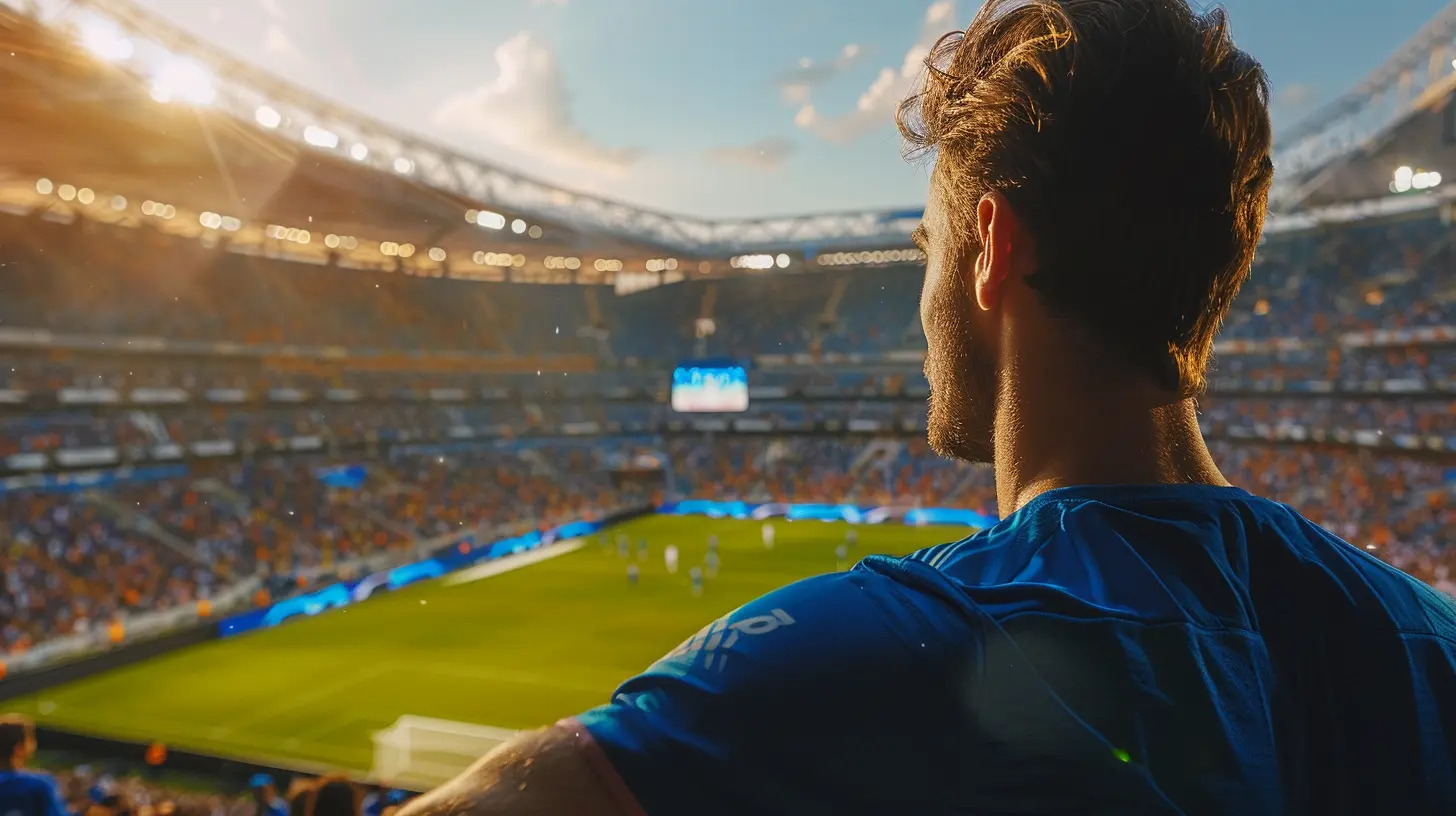
The Game Has Changed: From Brand Exposure to Brand Experience
Remember when brand visibility was the only goal? A logo here, a 30-second jingle there—mission accomplished. But times have changed. Now, fans aren’t just watching a game—they’re living it. And brands? They want in.Instead of being passive sponsors, companies now aim to add value to the fan experience. Think of Red Bull. Sponsoring extreme sports is just the surface; they literally produce their own content, run their own events, and create a lifestyle around the brand.
Today, successful sponsorships are like relationships. You can’t just show up once and expect loyalty. You’ve got to invest, participate, and most importantly, understand the fans.
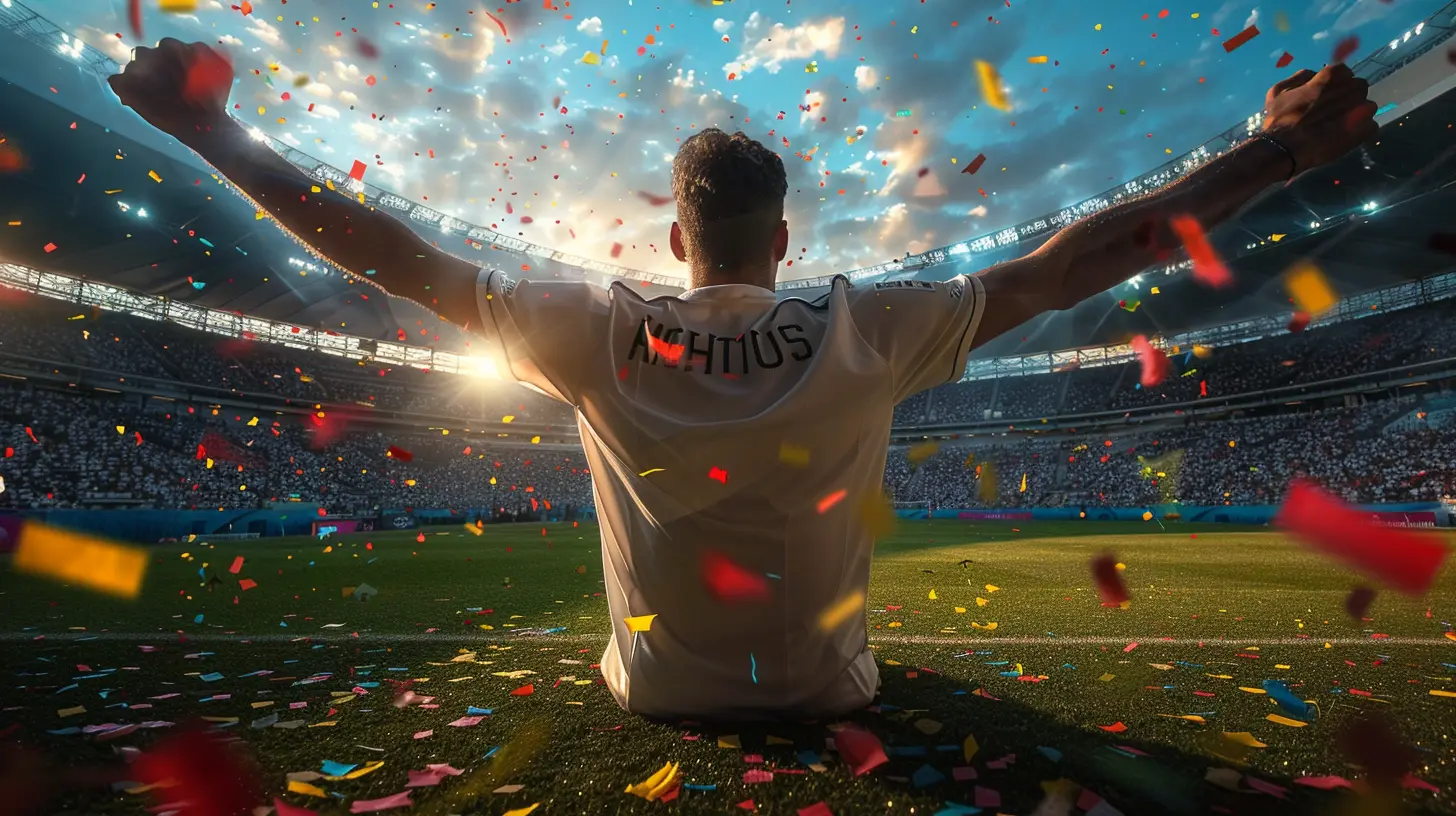
Fans Crave More: Emotional Engagement Is the New Currency
When you look at a jersey with a logo on it, do you feel anything? Probably not. But what if your favorite brand partnered with your team to launch a campaign that supported local schools or grassroots athletes?That's the direction sponsorship is heading—emotion over exposure. Brands know that fans are loyal, passionate, and incredibly community-driven. So they’re creating campaigns that tug at those heartstrings.
Take Nike, for example. Their partnership with athletes often centers around powerful storytelling. It's not about the swoosh—it's about the journey of the player wearing it, the struggles, the victories, the sweat and tears. That kind of emotional connection? It's gold.

Content Is King: Welcome to the Era of Brand Storytelling
Let’s be real—people skip ads. They mute commercials. They scroll past sponsored posts unless—unless—they’re really interesting. That’s why smart brands are investing in storytelling.Sponsorships now include exclusive behind-the-scenes content, docuseries, interviews, and even podcasts. They partner with athletes and teams to create real, authentic stories that fans eat up.
For example, look at how Formula 1 exploded in popularity after Netflix’s “Drive to Survive.” That wasn’t a traditional sponsorship move. But it sure as heck turned drivers into celebrities and casual viewers into die-hard fans.
And guess who got involved? Brands. Tons of them. Because they realized storytelling sells, and fans don’t just support teams—they support the narratives behind them.

Tech Is Taking Over: Data-Driven Sponsorships are Dominating
Sponsorships aren’t done in boardrooms with guesswork anymore. They're drafted based on cold, hard data. With AI, social media analytics, and fan behavior tracking, brands know exactly how, when, and where fans engage.They can target fans across platforms, personalize experiences, and even measure ROI in real-time. It's not just smart—it's necessary.
Let’s say a sportswear brand sponsors a football club. Instead of just hoping fans notice their logo during games, they can now track how many people clicked on their social media posts, joined their fantasy league, or downloaded their app.
The sponsorship becomes a digital ecosystem rather than a one-way ad. It’s like going from fishing with a net to using a smart rod that tells you exactly where the fish are biting.
Purpose-Driven Partnerships: Doing Good Is Good Business
Here’s a truth bomb: fans care about causes. Social justice, sustainability, mental health—you name it. And brands are finally stepping up, using sponsorships as platforms for change.Take Athlete Ally partnering with sports entities to promote LGBTQ+ inclusion. Or Patagonia, though not your typical sports brand, aligning with outdoor sports to promote environmental awareness.
These aren’t just PR stunts. They’re deep, meaningful collaborations that show fans a brand’s true colors. Fans want to support brands that stand for something. So, today’s best sponsorships double as purpose-driven alliances.
Athlete Collaborations: Influencers in Cleats, Skates, and Sneakers
Athletes aren’t just players anymore—they’re influencers, content creators, and global icons. Brands are tapping into this power not just for endorsement deals, but for collaborative partnerships.Look at Steph Curry and Under Armour. That’s not a simple sponsor deal—that’s a multi-year business relationship where Steph actually has creative input. Or Simone Biles, whose partnerships focus heavily on mental health awareness, showing how athletes can lead conversations through their brand connections.
This kind of collaboration creates a powerful trifecta: athlete brand, company brand, and fanbase—all tied together by a shared message and vibe.
Immersive Experiences: Taking Sponsorship Into the Real and Digital World
From augmented reality to pop-up fan zones, brands are curating experiences, not just advertisements.Think about Budweiser's "Room of the Unknown" VR experience before the FIFA World Cup or Adidas launching limited edition NFTs of their sponsored athletes. These immersive activations bridge the gap between real-life passion and digital innovation.
And fans? They’re loving it. These experiences allow them to participate, engage, and become part of the action. It's like turning passive viewing into an interactive rollercoaster.
Community Building: Hyperlocal Engagement Hits Big
It’s not just about going big—it’s about going deep. Brands are zooming in on local communities, offering support at the grassroots level.For example, PepsiCo partnered with UEFA not just for Champions League glitz but for local initiatives like community football pitches and youth training programs.
This strategy builds brand love not through ads but through action. It proves that the brand isn’t just here for the show—they’re here for the community.
eSports and Emerging Markets: New Frontiers for Smart Sponsors
Let’s not forget the rise of eSports. With millions of hardcore fans tuning in daily, this isn’t a niche—it’s a goldmine.Brands like Coca-Cola, Louis Vuitton, and even BMW have jumped into gaming sponsorships because the younger demographic eats it up. And in many emerging markets, mobile gaming is overtaking traditional sports.
Sponsorships here go beyond banners in games. They include branded tournaments, in-game experiences, and influencer collaborations with streamers. The audience? Super engaged and extremely loyal.
What’s Next? A Future Without Limits
As sponsorships continue to evolve, the future promises even more innovation. We’re talking AI-generated content, personalized fan rewards using blockchain, and deeper athlete-brand collaborations that blur the lines between marketing, performance, and purpose.Brands that treat sponsorship as a blank canvas rather than a billboard will lead the charge. They’ll move with culture, tech, and humanity—not just market trends.
Because at the end of the day, fans don’t remember logos—they remember moments. And great sponsorships? They create those moments.
Final Thoughts
The next time you see a brand “sponsor” a team or athlete, think beyond the logo. There's probably a story behind it, a cause it supports, a tech platform powering it, and a community it’s trying to uplift.Sponsorships have officially outgrown logos and jerseys. They've transformed into one of the most creative, dynamic, and purpose-driven tools in sports marketing.
So whether you’re a fan, a marketer, or somewhere in between, one thing’s clear—game on has a whole new meaning.
all images in this post were generated using AI tools
Category:
Sponsorship DealsAuthor:

Uziel Franco
Discussion
rate this article
1 comments
Skye Newton
This article sheds light on a vital evolution in sports sponsorship. It's fascinating to see how brands are integrating deeper connections with teams and fans beyond mere logos. Engaging in community initiatives and authentic partnerships truly enhances the overall experience. I'm excited to see where this trend leads in the future.
June 18, 2026 at 2:37 AM
Uziel Franco
Thank you for your insights! It's great to hear how you appreciate the shift towards meaningful connections in sports sponsorship. The future looks promising.