How to Prepare Kids for Post-Game Disappointment
1 July 2026
Let’s be real for a hot second: nothing tests a kid’s emotional resilience like losing a game after they’ve been talking smack all week. You’ve seen it — the dramatic sighs, the shoe kicking, the evil glares at the scoreboard, maybe even a few tears. And sure, we'd love if kids could brush it off like seasoned pros, but sadly, most aren't born with LeBron's mental game. So, what's a parent or coach to do?
Welcome to the ultimate guide on preparing kids for post-game disappointment — where we serve empathy with a side of tough love and just enough sarcasm to keep it fun. Buckle in. You're about to become the zen master of youth sports meltdown prevention.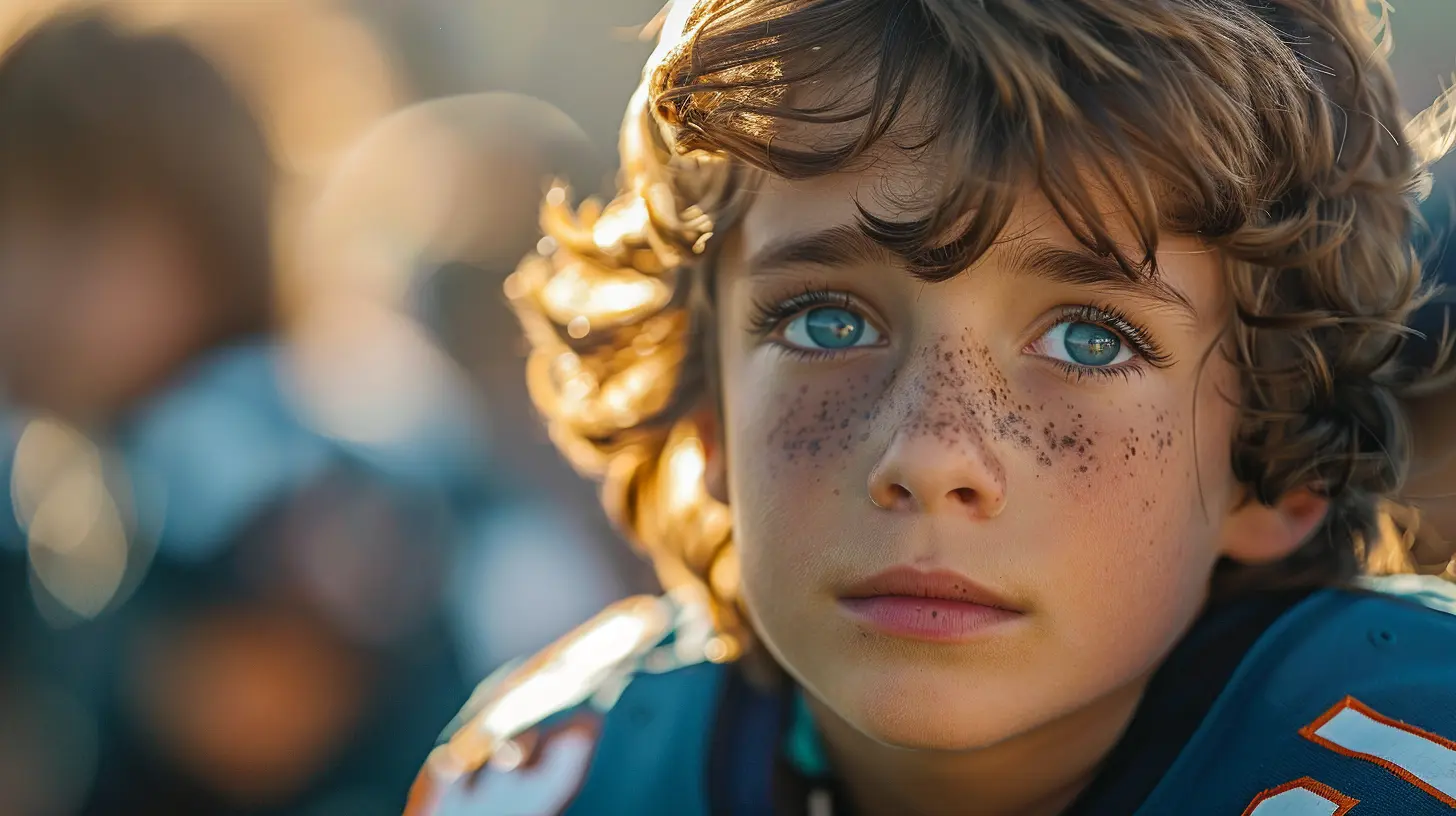
Why Do Kids Take Losing So Personally?
First off, let’s address the orange elephant in the gym — kids are tiny emotional powder kegs. Their brains are still figuring out complex stuff like patience, perspective, and that timeouts in sports aren’t personal attacks.When they lose, it can feel like the end of the world. Why? Because, in their eyes, it kind of is. They’ve practiced, hyped it up, imagined the confetti falling... and then BOOM — crushed dreams and water bottles flung in despair.
But here's the good news, you can help ease that sting… if you know what to say, what not to say, and how not to act like the world’s most intense little league coach.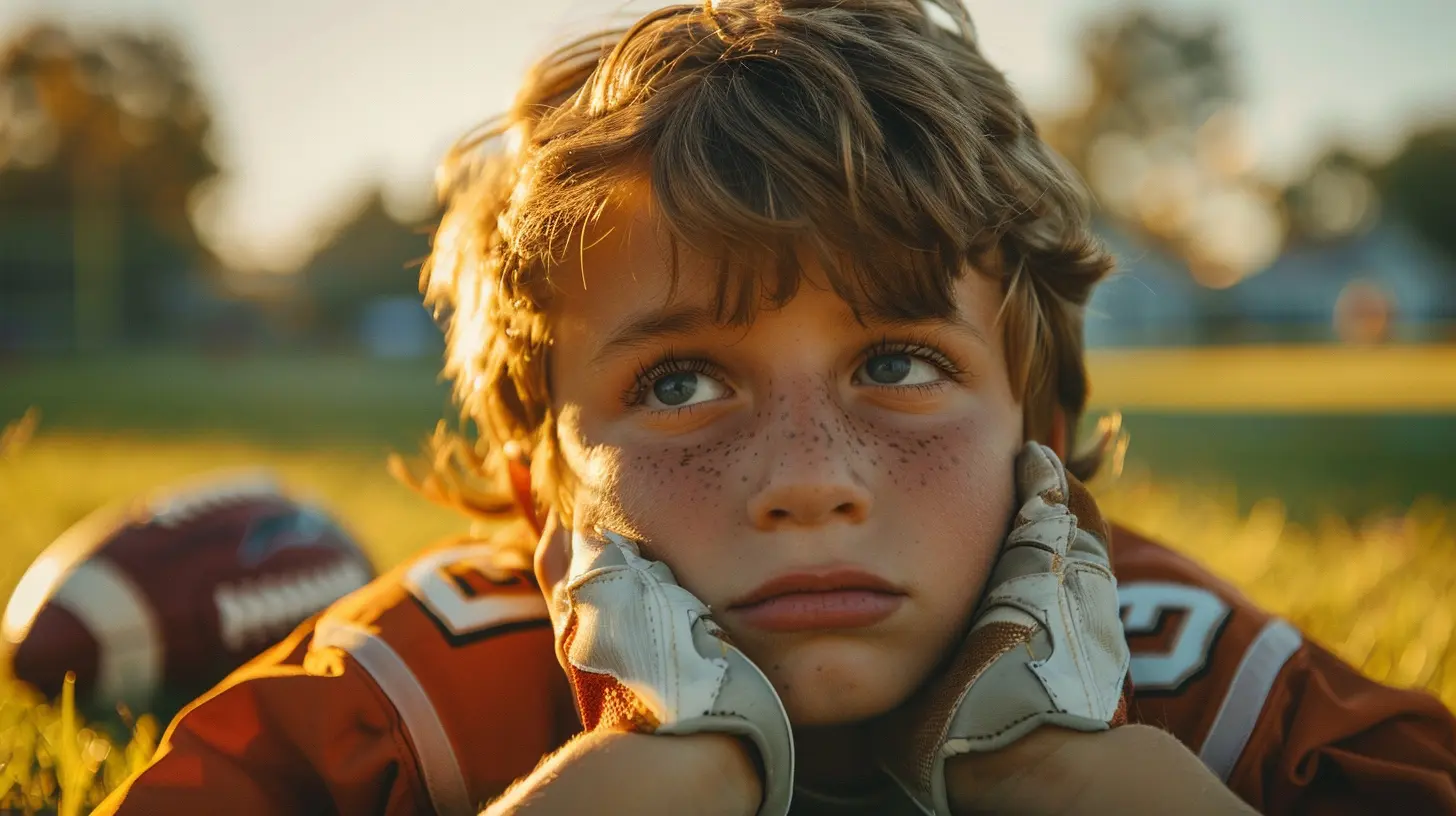
Step 1: Set the Stage Before the Game
Lower the Stakes (Calm Down, It’s Tee-Ball)
Before the first whistle blows, manage expectations like a boss. Talk to your kid about the glorious reality of competition: sometimes you win, and sometimes you get steamrolled. Both are totally okay.Instead of hyping them up like it’s the Olympics, try this:
“Let’s go have fun, give it our best, and see what happens.”
Translation: “You are not getting a gold medal today, champ, and that’s totally fine.”
Normalize Losing (Because, Spoiler: It Happens)
Use examples of their favorite athletes who’ve lost — and bounced back.“Hey, even Serena Williams doesn’t win every match. And she’s kind of a big deal.”
When kids realize that failure isn't synonymous with total and eternal doom, it becomes easier to swallow.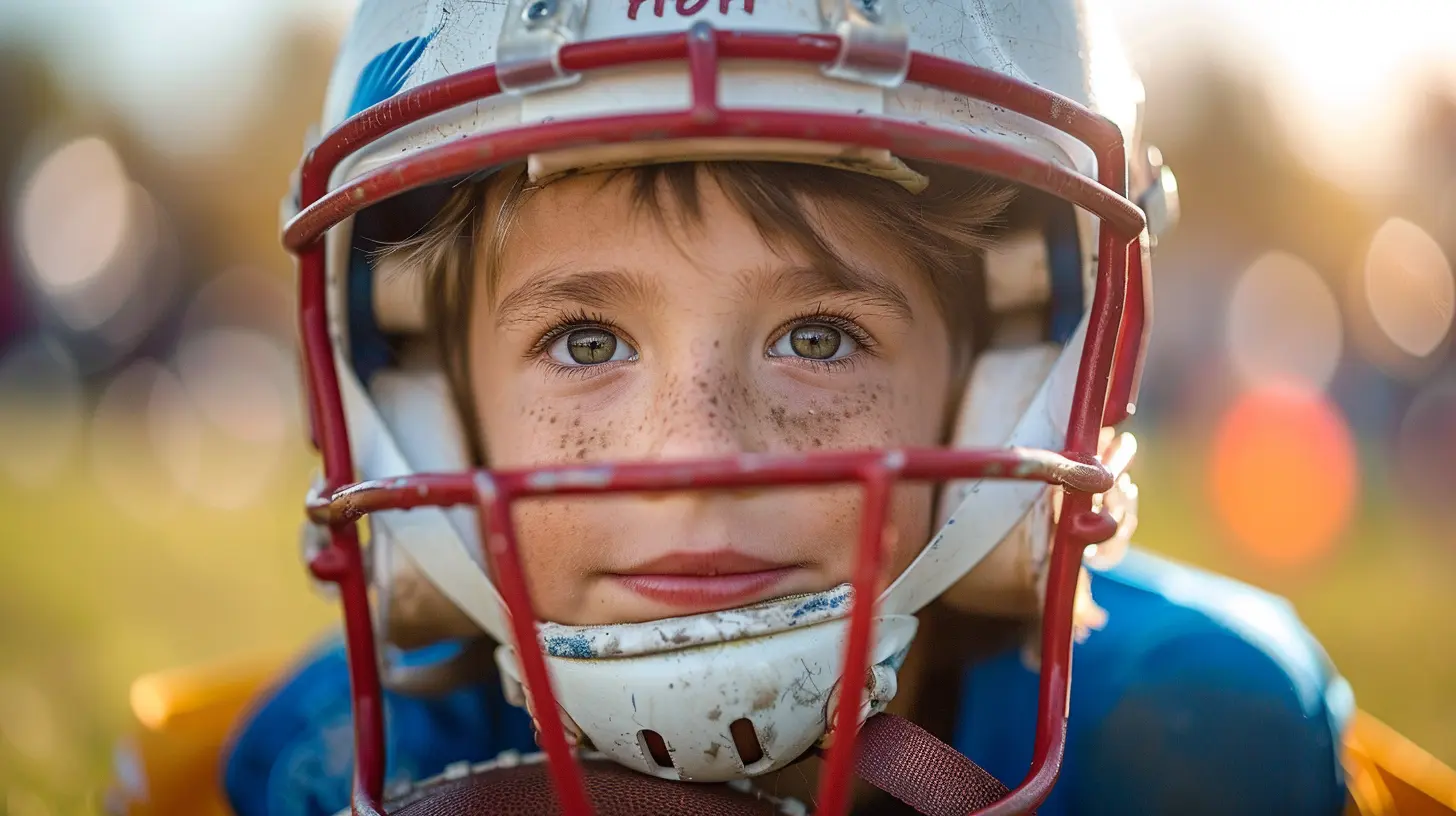
Step 2: Post-Game Etiquette Training 101
No, We Don’t Throw Our Gear Across the Parking Lot
Okay, emotions will run high. But teaching kids how to process feels without going full WWE mode is key.Tell them:
“Being upset is totally okay. Hurling your bat into the dugout like Thor’s hammer? Not so much.”
Encourage them to channel disappointment into reflection — or at least something constructive like journaling, or drawing a comic book where they win the rematch by flying through the air with laser eyes.
Practice The Art of the “Good Game” Handshake
Ah yes, the sacred ritual. Even in a loss, we shake hands and mumble “good game” to the very kid who just wrecked your team.It’s not about being fake — it’s about sportsmanship. Remind your kids that showing grace when you lose is what makes people want to play with you again. Nobody likes a sore loser or a gloating winner (but man, don’t we all know a few?).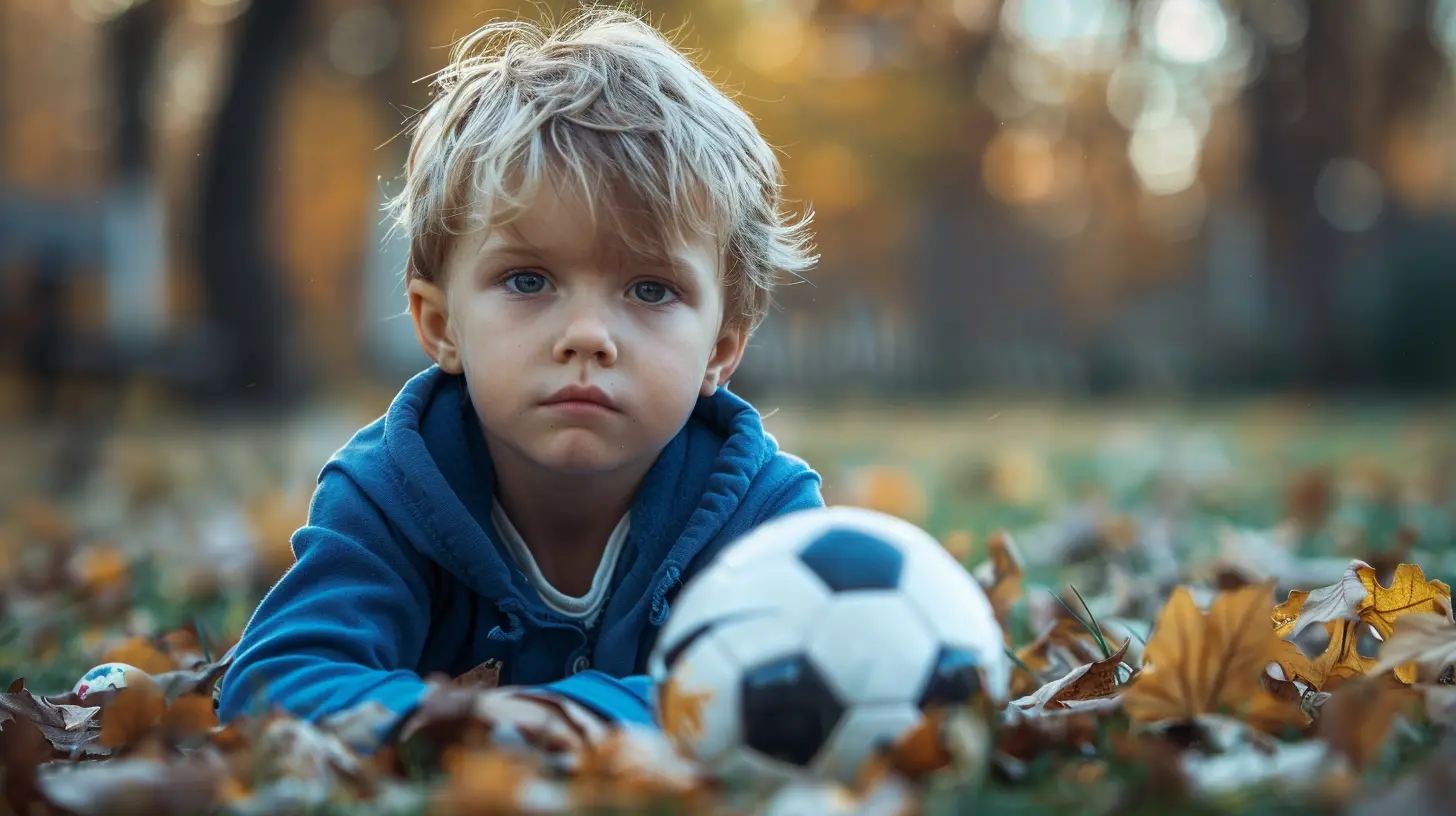
Step 3: The Magical Role of You (Yes, You… The Adult)
Spoiler Alert: Your Behavior Sets the Tone
Want your kid to act like a rational, emotionally stable human after a loss? Then maybe don’t yell at the ref like they stole your lunch money.Kids mirror what they see. If you throw shade, blame the coach, or sarcastically clap at the other team, don’t be shocked when your little one starts plotting revenge.
Be cool. Like actually cool.
Debrief Like a Jedi
Once the emotions have simmered down (read: once they’ve had their post-loss snack), talk it out. Not with an interrogation vibe, more like friendly post-game pizza chat.Ask stuff like:
- “What do you think went well?”
- “What was tough out there?”
- “What would you want to work on next time?”
No lectures. No “I told you so's.” Just meet them where they are.
Step 4: Reframe Failure (A.K.A. Jedi Mind Tricks)
Losing Isn’t the Opposite of Winning — It’s Part of It
If you really want to raise a resilient athlete (or, you know… human), teach them that failure is feedback, not a dead-end.Say things like:
- “Every great player has lost tons of times.”
- “Every mistake is a step forward.”
- “You only fail if you give up or refuse to learn.”
Corny? Maybe. Effective? Absolutely.
Don’t Make It About You
Look, we know you proudly wear the “#1 Sports Parent” hoodie, but your kid’s game is not your resume booster. Avoid phrases like:- “I can’t believe you missed that shot!”
- “You embarrassed the team!”
- “That’s not how we practiced!”
Oof. Just... don’t. You're prepping for post-game disappointment, not pushing for early-onset therapy.
Step 5: Build Long-Term Coping Muscles
Create a Safe Space to Fail
Let them mess up. Let them lose. Let them feel bad. Then let them bounce back.That process — the feeling, the reflection, the recovery — is where all the good stuff lives. That’s where self-confidence is made.
Encourage Growth Over Perfection
If your kid’s identity is tied to always winning, every loss feels like an identity crisis. (Who am I if I’m not the best at dodgeball?!)Instead, praise effort:
“I love how you kept trying, even when the score was rough.”
“You held your head high out there — I respect that.”
Because guess what matters more than a final score? Character. (Also snacks, but mostly character.)
Bonus: What NOT to Do When Your Kid Loses
Let’s wrap it up with a rapid-fire list of don’ts for those tense post-game moments:❌ Don’t say “You should’ve…” — It’s not helpful. You weren’t out there dodging elbows.
❌ Don’t compare them to other players — Unless you’re trying to destroy their confidence.
❌ Don’t interrogate on the car ride home — Let them breathe. They're already blaming themselves for that missed goal.
❌ Don’t ignore the loss either — Show empathy. Say, “That was a tough one.” Then hand over a juice box like the hero you are.
Final Thoughts: Turn Disappointment Into Gold
If one loss breaks your kid, then we’ve got some building to do. But if we let them lose — really lose — and support them through the sting, they'll turn into the kind of person who can face adversity without flipping a table.So prep them. Guide them. Laugh with them when they trip over their shoelaces. Help them see losing not as shame, but as a stepping stone to growth.
Because someday, they’ll lose something bigger than a middle-school soccer game, and guess what? They’ll know how to stand up, shake it off, and walk taller than before.
And maybe — just maybe — they’ll sneak a little grin and say, “Good game.
all images in this post were generated using AI tools
Category:
Youth SportsAuthor:

Uziel Franco
Discussion
rate this article
1 comments
Harlow McVicker
Teaching kids resilience builds character. Encourage them to focus on effort and learning rather than just winning.
July 11, 2026 at 12:20 PM
Uziel Franco
Absolutely! Emphasizing effort over winning helps kids develop resilience and a growth mindset. It's a valuable lesson for life.