Injury Prevention for Triathletes: Tips to Stay Healthy All Season
28 February 2026
If you're a triathlete, you already know you’re pushing your body to its limits. Between swimming, cycling, and running, your muscles, joints, and cardiovascular system are constantly tested. But while training hard is essential, staying healthy and injury-free is just as important, if not more so. After all, what good is all that training if you're sidelined by an injury?
Injury prevention is often overlooked in the pursuit of performance gains, but it’s key to longevity in the sport. Whether you're a seasoned triathlete or just starting out, taking steps to prevent injuries can keep you in the game for the long haul. So, how can you protect yourself and stay healthy throughout the season? Let's dive into some proven tips and strategies you can incorporate into your training to stay strong, fast, and injury-free.
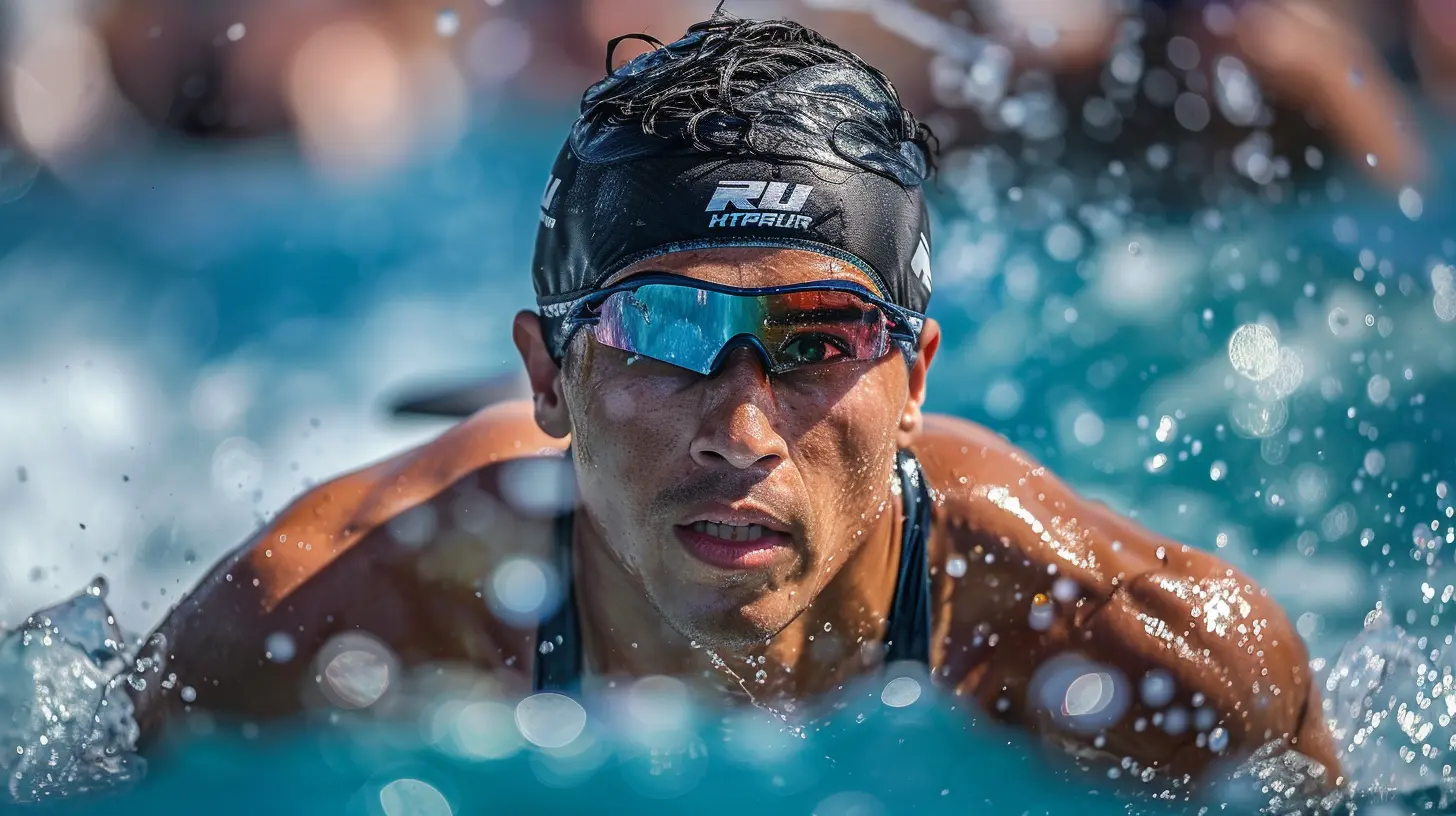
The Importance of Injury Prevention
Before we dive into tips, let’s address why injury prevention is so crucial. As a triathlete, you’re juggling three sports, each with its own unique set of movements and demands on your body. This can increase the risk of overuse injuries, muscle imbalances, and general wear and tear.When you're injured, not only do you miss training, but you also slow down your overall progress. You could spend weeks, or even months, recovering from an injury that could have been avoided with a bit of forethought. Injury prevention isn't just about avoiding pain; it's about maintaining consistency in your training so you can reach your goals without interruption.

Common Injuries Faced by Triathletes
First things first: what are we trying to prevent? While triathletes face a variety of injuries, some are more common than others. These tend to occur due to the repetitive nature of the sport and the intense physical demands it places on your body.1. Runner’s Knee (Patellofemoral Pain Syndrome)
This is one of the most common issues for triathletes, especially during the running portion. It’s characterized by pain around or behind the kneecap, often caused by overuse or improper running mechanics.2. Achilles Tendonitis
The Achilles tendon is crucial for running and cycling, but it’s also prone to overuse injuries. Achilles tendonitis is inflammation or irritation of the tendon, usually due to a sudden increase in training volume or intensity.3. Plantar Fasciitis
Pain in the bottom of your foot, particularly near the heel, is often a sign of plantar fasciitis. This is common in runners and can be caused by poor footwear, lack of flexibility, or overtraining.4. Shoulder Impingement
Swimmers, beware! Shoulder impingement is common among triathletes due to the repetitive overhead motion during the swim. It’s often caused by muscle imbalances or improper stroke mechanics.5. Lower Back Pain
Both cycling and running can contribute to lower back pain, especially if you have poor posture or weak core muscles. Sitting in an aggressive aero position on the bike can exacerbate this issue.Now that we know what we're up against, let’s look at how to prevent these injuries from happening in the first place.

Injury Prevention Strategies for Triathletes
1. Warm Up and Cool Down Properly
This might sound basic, but it’s amazing how many athletes skip the warm-up, especially when they're crunched for time. Warming up is essential to getting your muscles ready for the workout ahead, increasing circulation, and loosening up your joints. A proper warm-up should include dynamic stretches and sport-specific movements.The cool-down should not be overlooked either. Cooling down helps to gradually lower your heart rate, flush out waste products from your muscles, and reduce post-exercise stiffness. A few minutes of easy jogging or cycling, followed by static stretching, can make a world of difference in how you recover.
2. Focus on Strength Training
Strength training is your secret weapon for injury prevention. Building strong muscles, particularly in your core, legs, and shoulders, helps improve your stability and reduces the risk of overuse injuries. A well-rounded strength program should include exercises that target all major muscle groups with a focus on functional movements.For example, squats, lunges, and deadlifts are great for building leg strength, while planks, Russian twists, and cable rotations are excellent for core stability. Don’t forget to work on your upper body too—strong shoulders will help you swim more efficiently and reduce the risk of impingement.
3. Prioritize Flexibility and Mobility
Being strong is important, but being flexible and mobile is equally crucial. Tight, stiff muscles are more prone to injury. Incorporating flexibility and mobility exercises into your routine can help reduce muscle imbalances and improve your range of motion, which ultimately helps you move more efficiently and with less strain.Stretching doesn’t have to take up a huge chunk of your time. Just 5-10 minutes of focused stretching after each workout can do wonders. Additionally, consider adding a weekly yoga or mobility session to your training plan. These will help you stay limber and reduce the risk of injuries like plantar fasciitis or Achilles tendonitis.
4. Listen to Your Body
You’ve probably heard this advice before, but it's worth repeating: listen to your body. If you feel a nagging pain or discomfort, don’t ignore it. Pushing through pain is a recipe for disaster. What could be a minor issue today may turn into a full-blown injury if left unchecked.It’s better to take a step back and rest for a day or two than to be sidelined for weeks. If something feels off, consider getting it checked out by a physiotherapist or sports medicine professional. They can help you address the issue before it becomes a bigger problem.
5. Gradually Increase Training Volume
One of the most common causes of injury is doing too much, too soon. Whether you’re increasing your mileage, intensity, or both, it’s important to do so gradually. The general rule of thumb is to increase your training load by no more than 10% per week.Jumping from 20 miles a week to 40 miles in just a few days can put immense stress on your muscles, tendons, and joints, leading to overuse injuries like Achilles tendonitis or runner’s knee. Patience is key—remember, triathlon is a long game. You’ll see better results by taking your time and progressively building your fitness.
6. Don’t Neglect Recovery
Recovery is where the magic happens. It’s during this time that your muscles repair and grow stronger. Ignoring recovery can lead to burnout and injury.Make sure you’re giving your body the rest it needs by incorporating recovery days, getting enough sleep, and fueling your body with the right nutrients. Consider adding recovery-enhancing practices like foam rolling, massage, or even just light stretching after workouts. Trust me, your body will thank you for it.
7. Invest in Proper Gear
Your gear can either help you or hurt you. Wearing the wrong shoes, for example, can lead to issues like plantar fasciitis or shin splints. When it comes to running shoes, make sure you're wearing a pair that’s suited to your foot type and gait. A gait analysis at a specialty running store can help you find the right fit.Similarly, your bike should be properly fitted to your body. A poor bike fit can lead to all sorts of issues, from lower back pain to knee problems. If you haven’t had a professional bike fit yet, it’s worth the investment. It can save you from a lot of discomfort and prevent injuries down the road.
8. Hydrate and Fuel Properly
Staying hydrated and properly fueled is critical for both performance and injury prevention. Dehydration can lead to muscle cramps, fatigue, and even injury. Make sure you're drinking enough water throughout the day, especially during and after your workouts.Fueling your body with the right nutrients is equally important. Carbohydrates provide the energy you need for endurance, while protein helps repair and build muscle. Fats are also important for long-lasting energy. Eating a balanced diet will not only improve your performance but also help your body recover and stay injury-free.
9. Cross-Train and Mix Things Up
While triathlon already offers some variety with swimming, cycling, and running, it’s still important to mix things up. Cross-training with activities like strength training, yoga, or even hiking can help you work different muscle groups and avoid overuse injuries.Cross-training also keeps your workouts interesting and helps prevent mental burnout. Plus, it gives your body a break from the repetitive motions of swimming, biking, and running.

Conclusion
Injury prevention is not just about avoiding pain; it’s about maximizing your potential as a triathlete. Taking care of your body by warming up properly, strength training, focusing on flexibility, and listening to your body can help you stay healthy and perform at your best all season long. Remember, consistency is key. And the best way to stay consistent is by staying injury-free.So, the next time you're tempted to skip that warm-up or push through a nagging pain, remember that injury prevention is your best friend. It’s the foundation that will keep you in the game, pursuing your goals, and crossing those finish lines with a smile on your face.
all images in this post were generated using AI tools
Category:
TriathlonAuthor:

Uziel Franco
Discussion
rate this article
2 comments
Camille McConnell
Great tips! Staying healthy is crucial for triathletes. Thanks for sharing this valuable advice!
March 29, 2026 at 11:44 AM
Uziel Franco
Thanks for your feedback! I'm glad you found the tips helpful. Staying healthy is key for all athletes.
Rylan Phelps
While training hard, remember: the thin line between triumph and injury is often hidden in plain sight. What secrets do your body’s whispers hold this season?
February 28, 2026 at 3:37 AM
Uziel Franco
Absolutely! Listening to your body's signs is crucial. Prioritize recovery, stay mindful of fatigue levels, and incorporate rest days to maintain peak performance and prevent injuries.