Next in Line: Young Athletes Redefining Sports in 2027
2 May 2026
Let me paint you a picture. It's 2027. The old guard is still hanging around, sure, but the real noise is coming from a generation of kids who grew up with TikTok highlights, AI coaching, and a chip on their shoulder the size of a stadium. These young athletes aren't just playing the game anymore. They are rewriting the rulebook, tearing down the fences, and building something new. If you blinked, you missed it. But I'm here to catch you up.
Think about it. When you were a kid, your sports hero was probably some untouchable god on a poster. Now? The 16-year-old phenom is live-streaming her training, answering questions from fans during cool-downs, and dropping a mixtape of her dunks that goes viral before the school bell rings. The line between amateur and pro has turned into a dotted line you can cross with a smartphone. And in 2027, that line is practically gone.
So who are these young guns? And how are they changing everything from basketball courts to football fields, tennis clubs to skate parks? Let's break it down.
The Rise of the Multi-Sport Hybrid
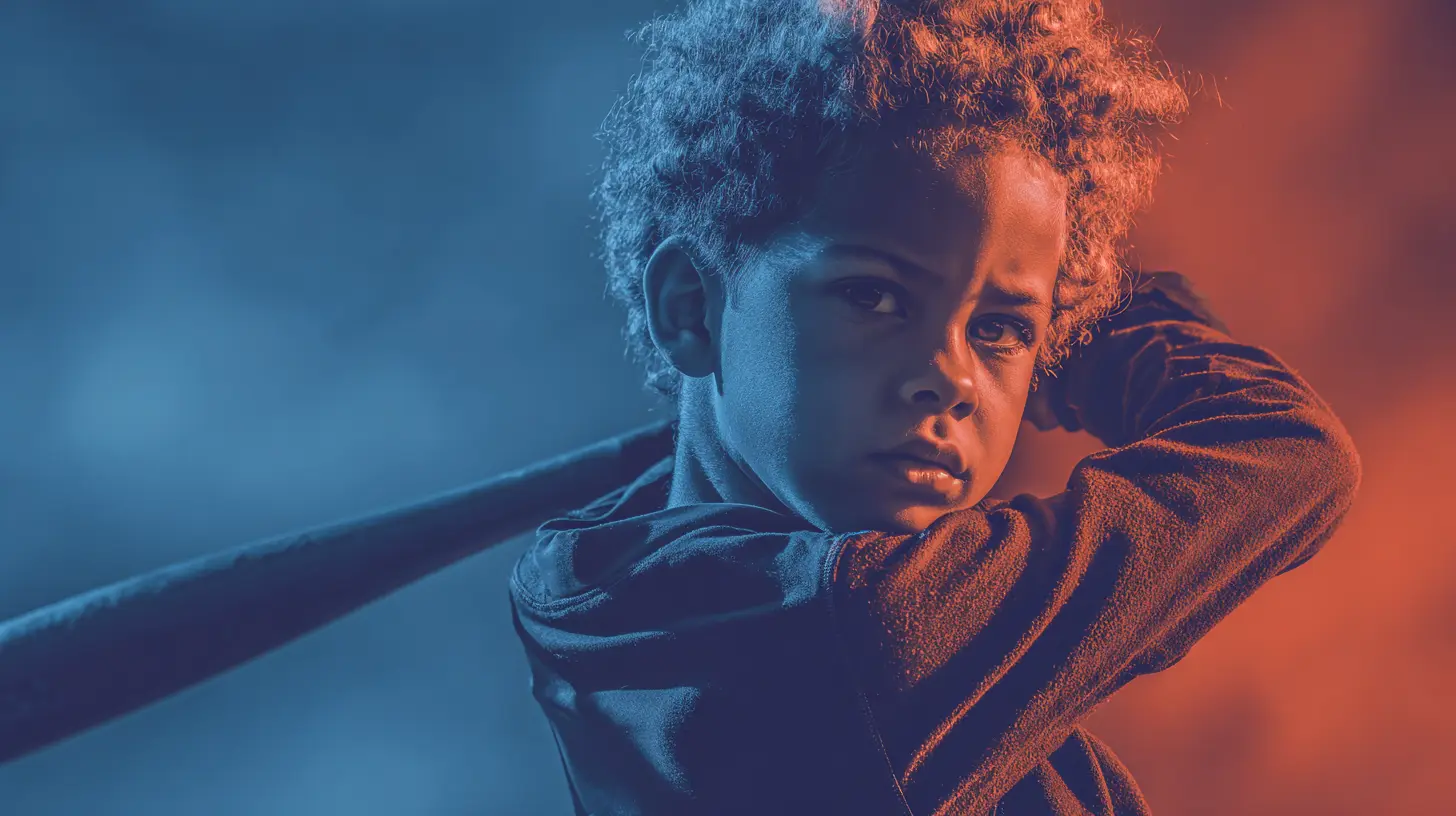
Remember when parents forced kids to specialize in one sport by age ten? Yeah, that's old news. In 2027, the hottest young athletes are the ones who refuse to be boxed in. You've got a 17-year-old who can throw a 95 mph fastball and also drop 30 points in a basketball game. Why? Because their bodies aren't broken from doing the same motion a million times. They're fresh, they're versatile, and they're terrifying.Take a kid like Maya Chen. She's 16, from a small town in Ohio. She's a soccer midfielder who also runs track. Last season, she led her high school to a state title in soccer while breaking the state record in the 400-meter dash. Scouts are losing their minds. Why? Because her endurance and explosive speed come from cross-training that doesn't feel like a chore. She's not just a soccer player. She's an athlete, period. And that's the shift.
The old model said pick a lane. The new model says build a toolkit. These kids are using sports science apps on their phones to track recovery and tailor workouts. They're not burning out. They're leveling up. And the result is a generation that moves differently, recovers faster, and adapts on the fly. It's like watching a Swiss Army knife come to life.
Tech-Infused Training: The Secret Weapon
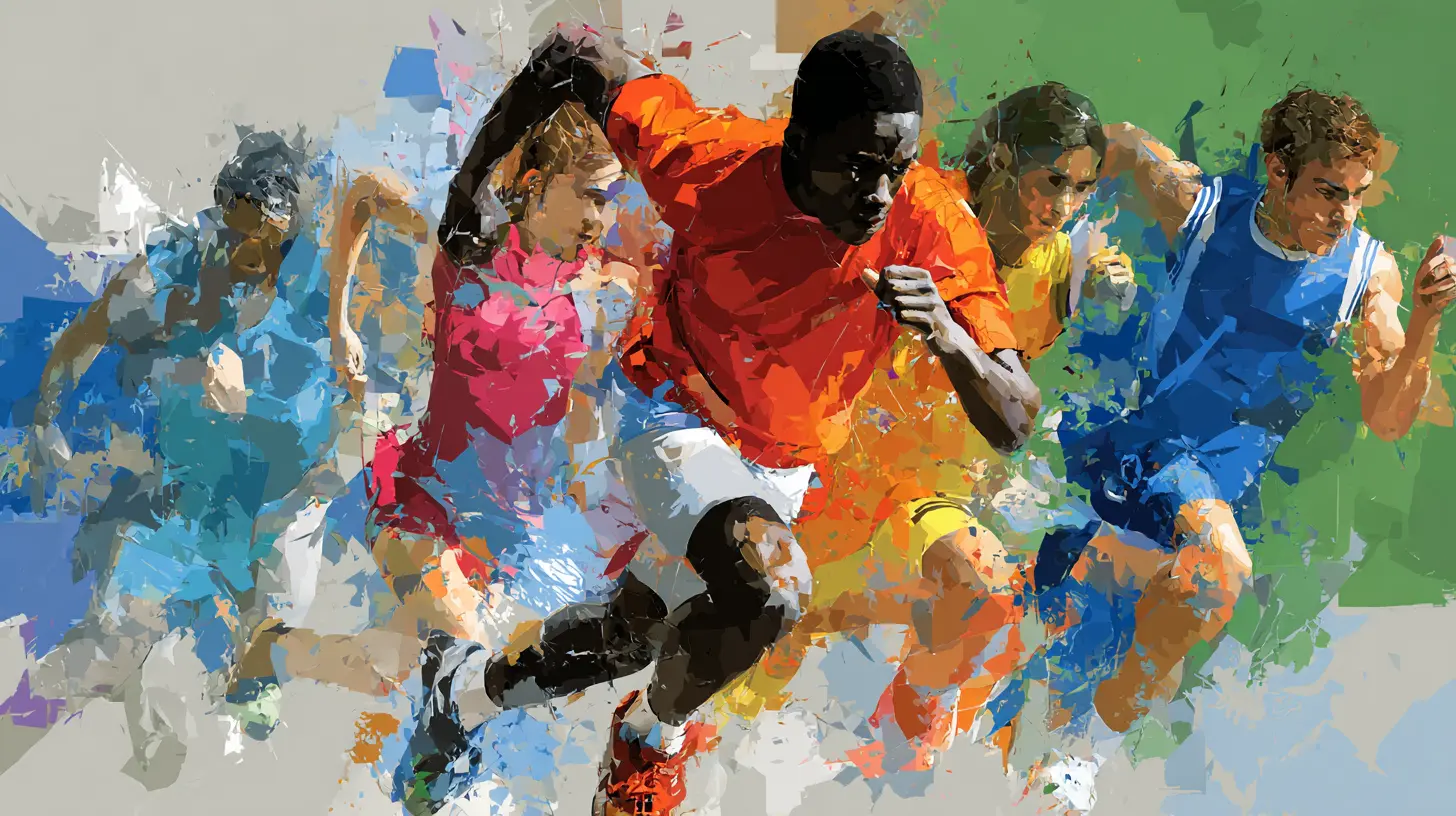
You can't talk about young athletes in 2027 without talking about the tech. I'm not just talking about fancy sneakers or smartwatches. I'm talking about AI coaches that break down your swing frame by frame, VR simulators that let you practice against a virtual LeBron James, and biometric sensors that tell you exactly when to hydrate. This stuff isn't sci-fi anymore. It's in their backpacks.Here's the thing. These kids have grown up with a tablet in their hands. So when they step onto the field, they expect data. They want to know their launch angle, their spin rate, their heart rate variability. They're not just playing by feel. They're playing by numbers. And that's a massive advantage.
Consider a 15-year-old tennis player named Jamal. He uses a sensor on his racket that tracks every shot. His coach, who lives in another country, reviews the data and sends him a personalized drill via video. Jamal practices that drill, uploads his new data, and gets feedback the same day. In the old days, you'd wait a week for a coach to watch a tape. Now, it's instant. The result? He's ranked in the top 10 nationally. And he's not even old enough to drive.
The technology is democratizing talent. You don't need a million-dollar facility. You need a phone, a cheap sensor, and the will to improve. That's leveling the playing field like never before. And it's producing athletes who are smarter about their bodies than most pros were a decade ago.
The Mental Game Gets an Upgrade
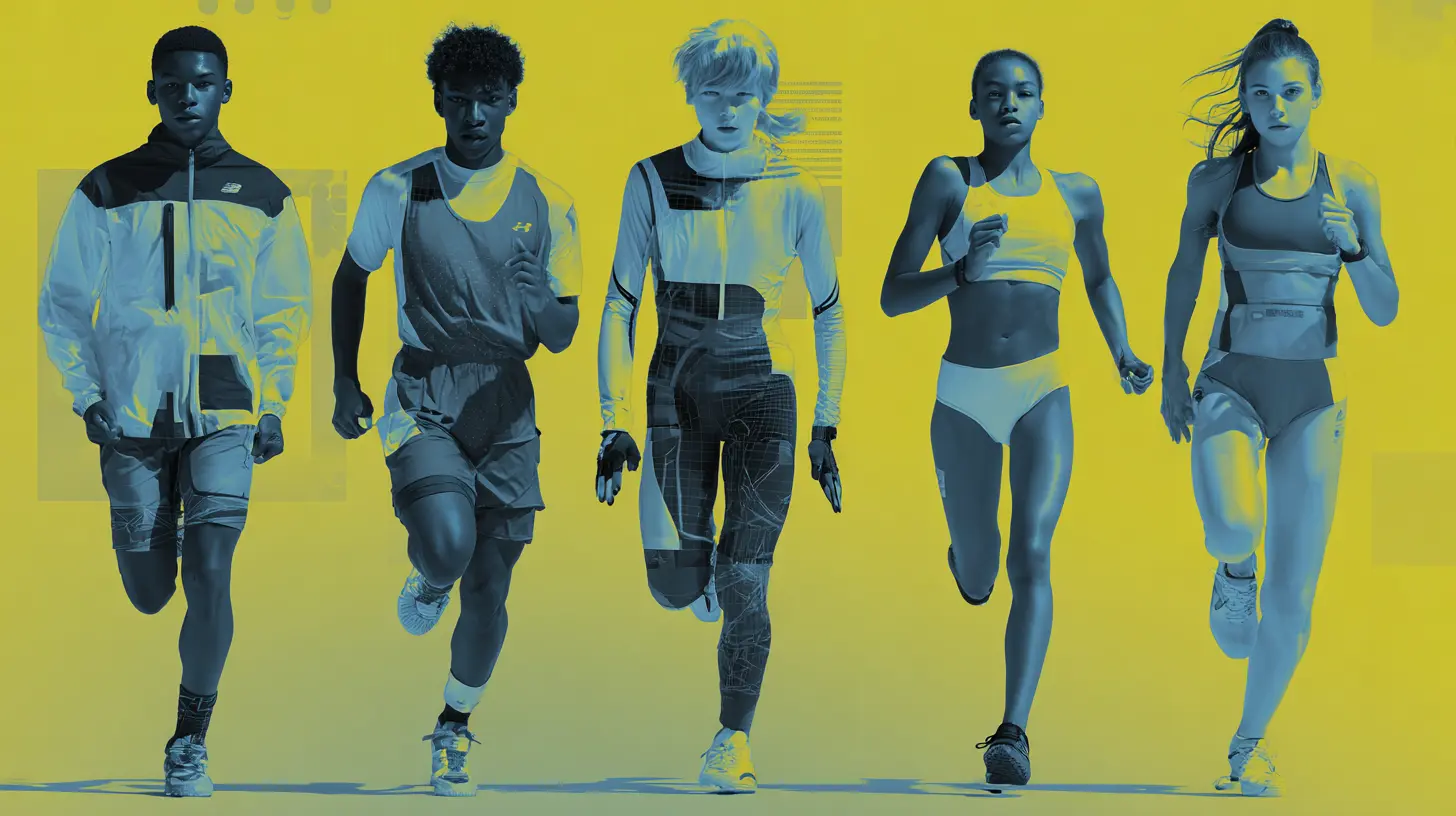
Let's be real. Sports have always been mental. But in 2027, young athletes are treating their brains like muscles. They're doing meditation apps, journaling after games, and working with sports psychologists as early as middle school. It's not weird. It's standard.I talked to a 14-year-old gymnast named Sofia. She told me she uses a breathing technique before every routine. "It's like hitting a reset button," she said. "If I mess up a flip, I don't spiral. I just breathe and move on." That's maturity you don't expect from a kid. But it's becoming the norm.
Why? Because the pressure is insane. Social media means every mistake is captured, shared, and dissected. These kids are performing in front of a global audience before they can vote. So they've had to grow up fast. They've learned to filter out the noise, focus on the process, and not let a bad game define them. It's a survival skill.
Coaches are adapting too. Instead of screaming from the sidelines, they're asking questions. "How did that feel?" "What would you do differently?" It's a collaborative approach that builds confidence. The days of the drill sergeant coach are fading. In their place is a mentor who understands that a calm mind plays better than a stressed one.
Breaking Barriers: Gender, Race, and Identity
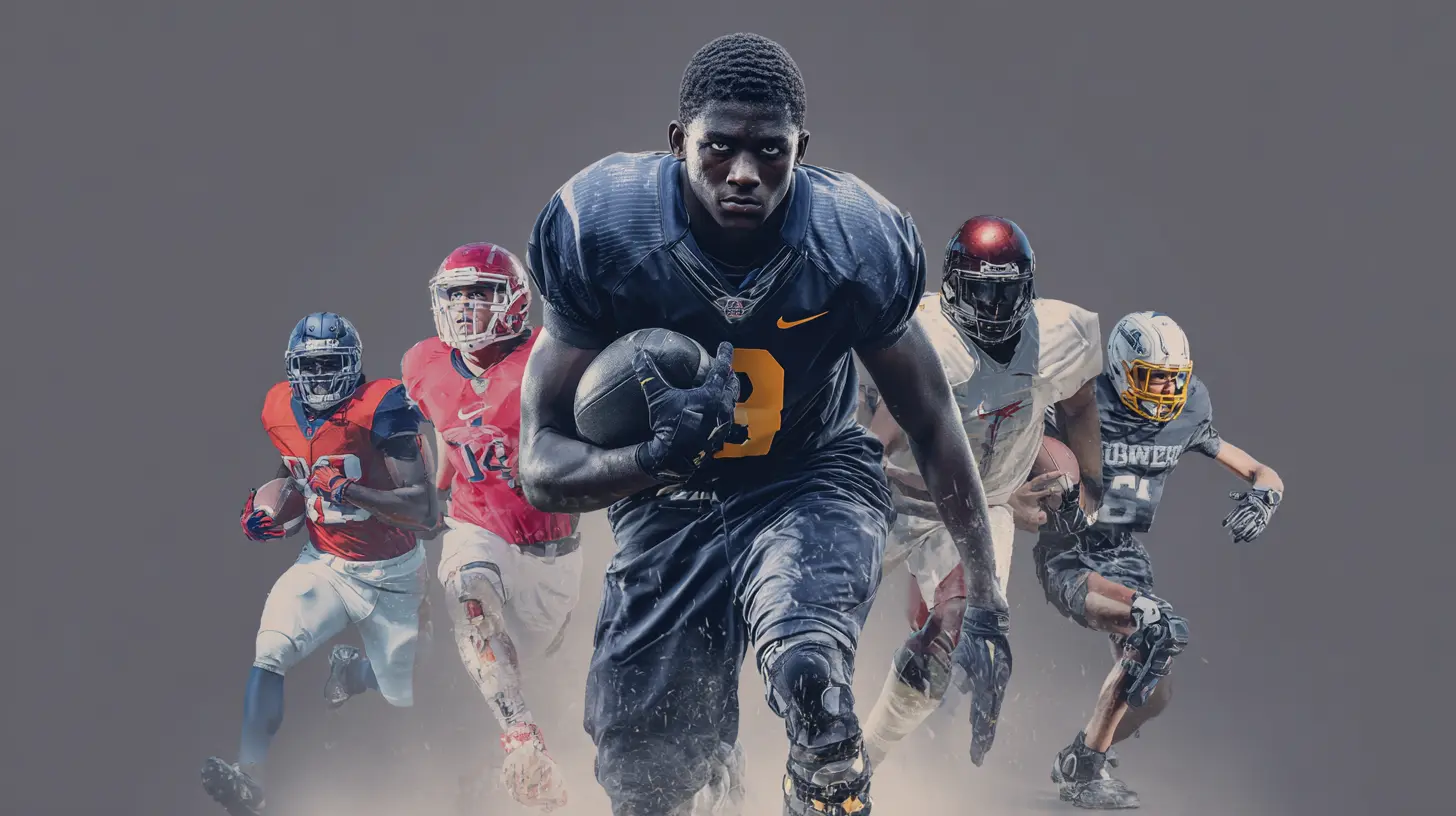
Here's where it gets really interesting. The young athletes of 2027 are the most diverse generation we've ever seen. And I'm not just talking about skin color. I'm talking about gender identity, disability, and body type. The old stereotypes about what an athlete "should look like" are crumbling.Take the rise of trans and non-binary athletes in high school sports. In 2027, more states and leagues have adopted inclusive policies that allow athletes to compete based on their gender identity. Yes, it's controversial. Yes, there are debates. But the reality is that these kids are out there playing, winning, and proving that talent isn't tied to a checkbox.
Or consider adaptive sports. In 2027, a kid in a wheelchair isn't sidelined. They're competing in wheelchair basketball, track, and even surfing. The Paralympics are getting mainstream attention, and young athletes with disabilities are becoming household names. A 17-year-old amputee sprinter named Elijah just broke a world record in the 100 meters. His story isn't about overcoming adversity. It's about pure, raw speed.
And let's not forget the girls. Women's sports are exploding. The WNBA, NWSL, and women's college basketball are drawing record audiences. Young female athletes are seeing role models who look like them, play like them, and get paid like them. The gap is closing. And the next generation is running through it.
The Social Media Factor: Building a Brand Before a Trophy
Here's a weird reality. In 2027, a 15-year-old basketball player might have more followers than a veteran NBA star. Why? Because they know how to connect. They're posting behind-the-scenes clips, personal vlogs, and even funny skits. They're not just athletes. They're influencers.This changes everything. Sponsorships used to come after you made it pro. Now, a high schooler with a big enough following can sign a deal with a sneaker brand. That's money, exposure, and pressure all at once. Some handle it well. Others crack.
But the smart ones use it to their advantage. They build a personal brand that lasts beyond their playing days. They learn about marketing, finance, and public speaking before they turn 18. It's like running a small business while training for the Olympics. And honestly, it's kind of amazing to watch.
The downside? Trolls. Cyberbullying. The constant need to perform online. But these kids are resilient. They've grown up with block buttons and mute functions. They know how to protect their mental space. And they're not afraid to call out toxic behavior.
Redefining Success: Beyond the Scoreboard
What does winning mean in 2027? For these young athletes, it's not just about the trophy. It's about growth, community, and impact. You see 16-year-olds starting non-profits to get sports equipment to underprivileged kids. You see them speaking out about climate change, mental health, and social justice.Take a football player named Diego. He's a quarterback with a cannon arm, but his real passion is mentoring younger kids. He runs free clinics every weekend. He says, "If I can help one kid believe in themselves, that's a win." That's the mindset. They see sports as a platform, not a destination.
Coaches are noticing. College recruiters aren't just looking at stats. They're looking at character. They want players who make their teammates better, who show up early, who care about something bigger than themselves. The "me first" athlete is becoming a liability. The "we first" athlete is the future.
The Dark Side: Burnout, Injury, and Pressure
Let's not sugarcoat it. This generation faces challenges that previous ones never imagined. The pressure to specialize, to go viral, to get that scholarship, to please a million online critics. It's a lot. And it's leading to burnout.I've seen kids quit sports by age 14 because it stopped being fun. I've seen others push through injuries because they're afraid of losing their spot. The body can only take so much. And when you add the mental load, it's a recipe for disaster.
But here's the good news. Awareness is growing. Parents, coaches, and organizations are starting to prioritize rest and recovery. Leagues are implementing pitch counts, limiting game days, and encouraging off-seasons. The culture is slowly shifting from "grind until you break" to "train smart, live long."
Young athletes themselves are speaking up. They're saying no to extra practices. They're taking mental health days. They're choosing to play multiple sports for fun, not just for a resume. It's a rebellion against the machine. And it's beautiful.
What This Means for the Future of Sports
So where are we heading? If the young athletes of 2027 are any indication, the future is faster, smarter, and more inclusive. The old hierarchies are falling. Talent can come from anywhere. A kid in a rural town with an internet connection can learn from the best in the world. A girl in a wheelchair can dominate on the track. A trans teenager can lead their team to a championship.The game is changing. And it's changing for the better.
We're going to see more hybrid athletes, more tech integration, and more emphasis on mental well-being. We're going to see sports that look different from what we grew up with. And that's okay. Because at the core, it's still about the same thing: pushing limits, working together, and having fun.
The next time you watch a game, look closely. That kid on the court, the one with the confident smile and the smartwatch on her wrist? She's not just playing. She's building a legacy. And she's just getting started.
all images in this post were generated using AI tools
Category:
Next Generation AthletesAuthor:

Uziel Franco
Discussion
rate this article
1 comments
Regina Elliott
It's inspiring to see how these young athletes are shaping the future of sports. Their dedication and passion shine through, reminding us that talent and hard work know no age. Exciting times ahead for the sports world!
May 4, 2026 at 4:54 AM
Uziel Franco
Thank you! Their energy and commitment truly make a difference, and it's thrilling to witness their impact on the future of sports.

![The Rise and Journey of a Future Hall of Famer: [Player Name]s Story](/pictures/blog/small/the-rise-and-journey-of-a-future-hall-of-famer-player-names-story_3.webp)