Open Water Swim Drills to Improve Confidence and Speed
15 January 2026
Open water swimming can be intimidating, especially if you're used to the comfort of a pool. The uncertainty of murky water, changing currents, and the lack of lane lines can make even the most seasoned swimmer feel a bit uneasy. But don’t worry—you’re not alone in feeling this way. Many triathletes, even those who’ve been at it for years, experience those same nerves before plunging into open water. The good news? Confidence and speed in open water come with practice, and the right drills can make all the difference.
In this article, we’re diving deep into the best open water swim drills that will not only boost your confidence but also improve your speed. Whether you’re gearing up for your first triathlon or looking to shave off some time from your next race, these drills can help you become a stronger, faster, and more confident swimmer in the open water.
Why Open Water Swimming is Different
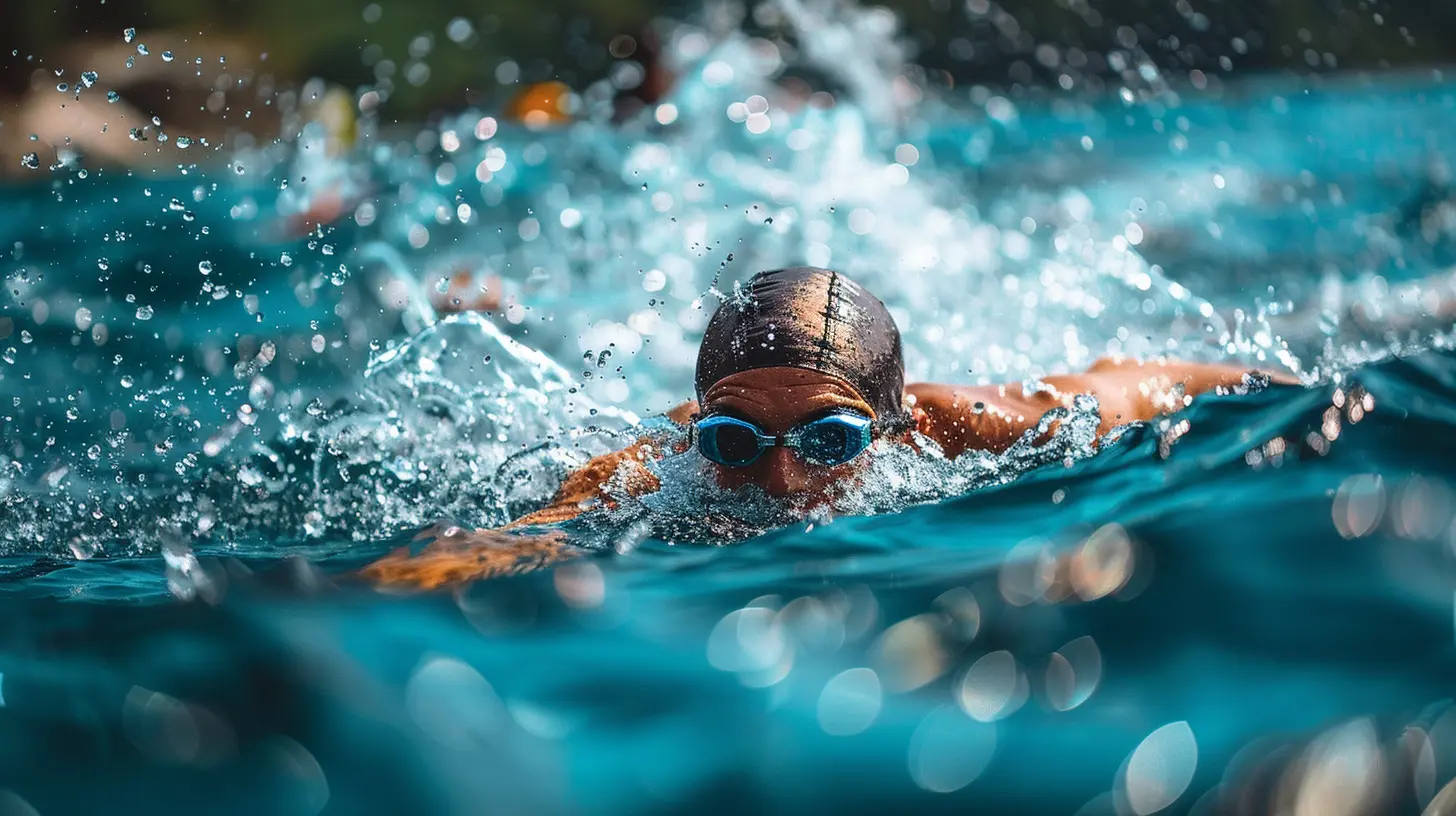
Before we jump into the drills, let’s talk about why swimming in open water is so different from pool swimming. First off, there are no walls to push off from. This means you won’t get that little boost of speed after every lap like you would in a pool. You’ll also need to sight (look up) regularly to stay on course, which can disrupt your rhythm.Then, of course, there’s the unpredictable nature of open water. You might be dealing with waves, currents, or even other swimmers jostling for position. This makes it crucial to be comfortable in these conditions if you want to perform well in a triathlon.
But here’s the thing: Just like any other aspect of training, becoming confident and fast in open water comes down to practice. Let’s dive into some drills to help you get there.
1. The Sighting Drill
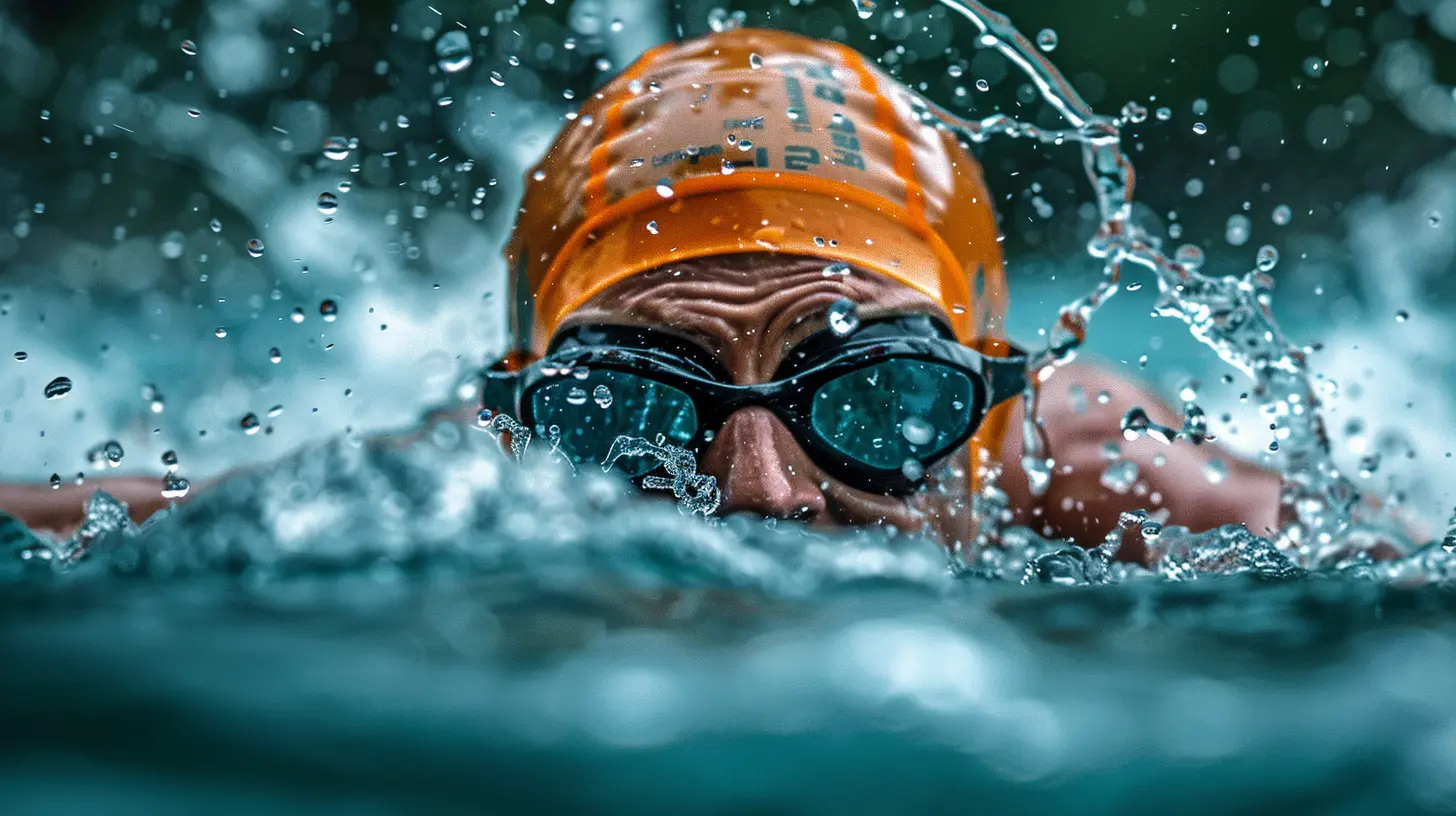
One of the biggest challenges in open water is staying on course. In a pool, you've got those trusty lane lines guiding you, but in open water? It’s all on you. The sighting drill helps you practice looking up and spotting landmarks without losing your rhythm or speed.How to Perform the Sighting Drill:
- Start swimming in your regular freestyle stroke.- Every 6-8 strokes, lift your head slightly and look forward (like a mini crocodile peek).
- Keep your head low in the water to avoid strain on your neck and shoulders.
- After sighting, quickly return your head to a neutral position and continue swimming.
Why It Works: This drill helps you get used to sighting without breaking your stroke rhythm or wasting energy. The more you practice, the more natural it will feel during a race.
2. The Tarzan Drill
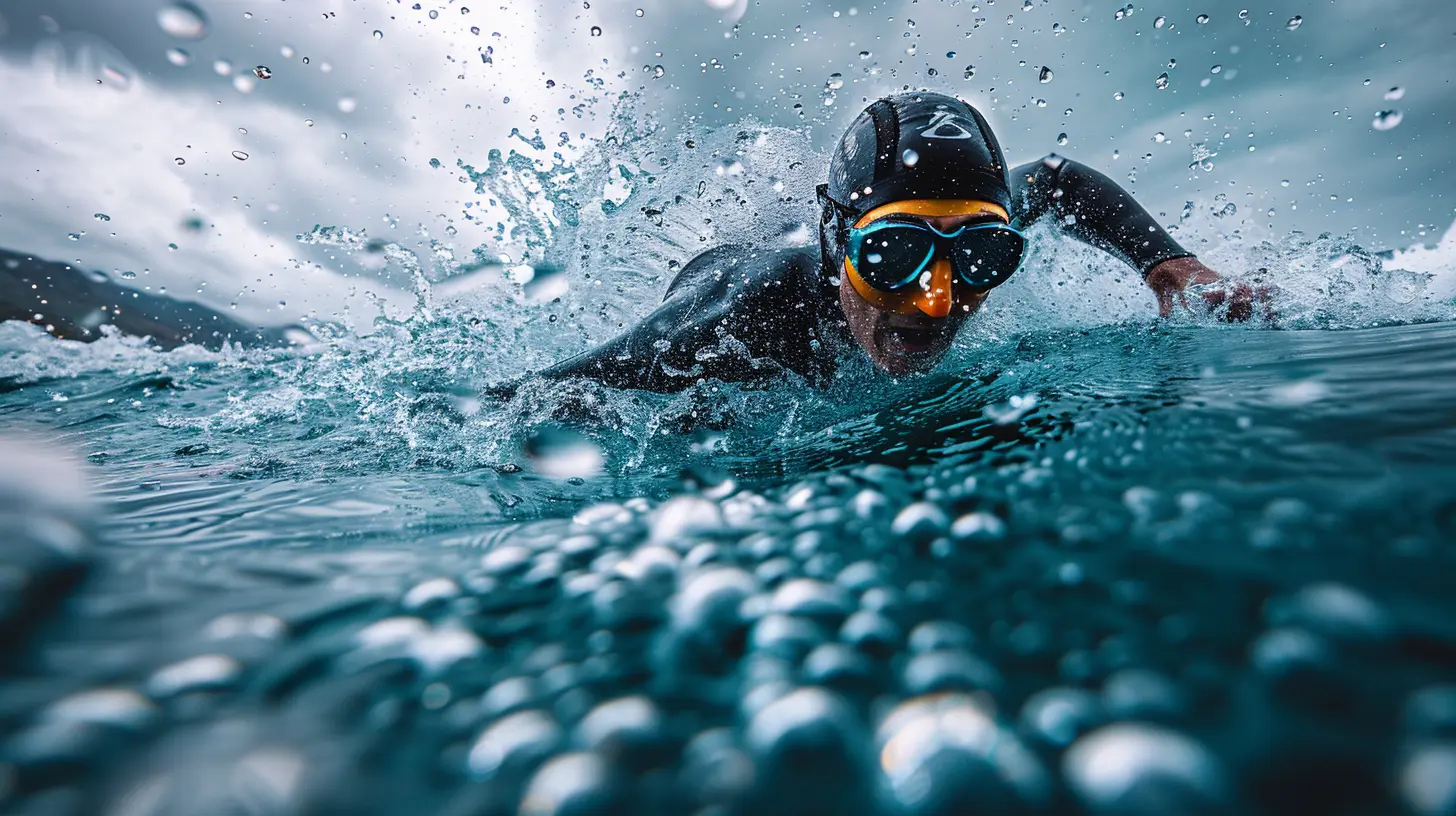
Named after the way Tarzan swims through water (head above the surface), this drill is all about building strength and endurance in your neck and upper body. In open water races, you’ll need to sight frequently and often swim in choppy conditions, and this drill prepares you for both.How to Perform the Tarzan Drill:
- Swim freestyle, but keep your head completely out of the water, looking forward.- Maintain a strong kick and keep your stroke as smooth as possible.
- Swim 25-50 meters like this, then return to regular freestyle.
Why It Works: This drill strengthens your neck and upper back muscles, which are crucial for sighting in open water. Plus, it helps you get used to swimming in less-than-ideal conditions, like when the water is rough or crowded.
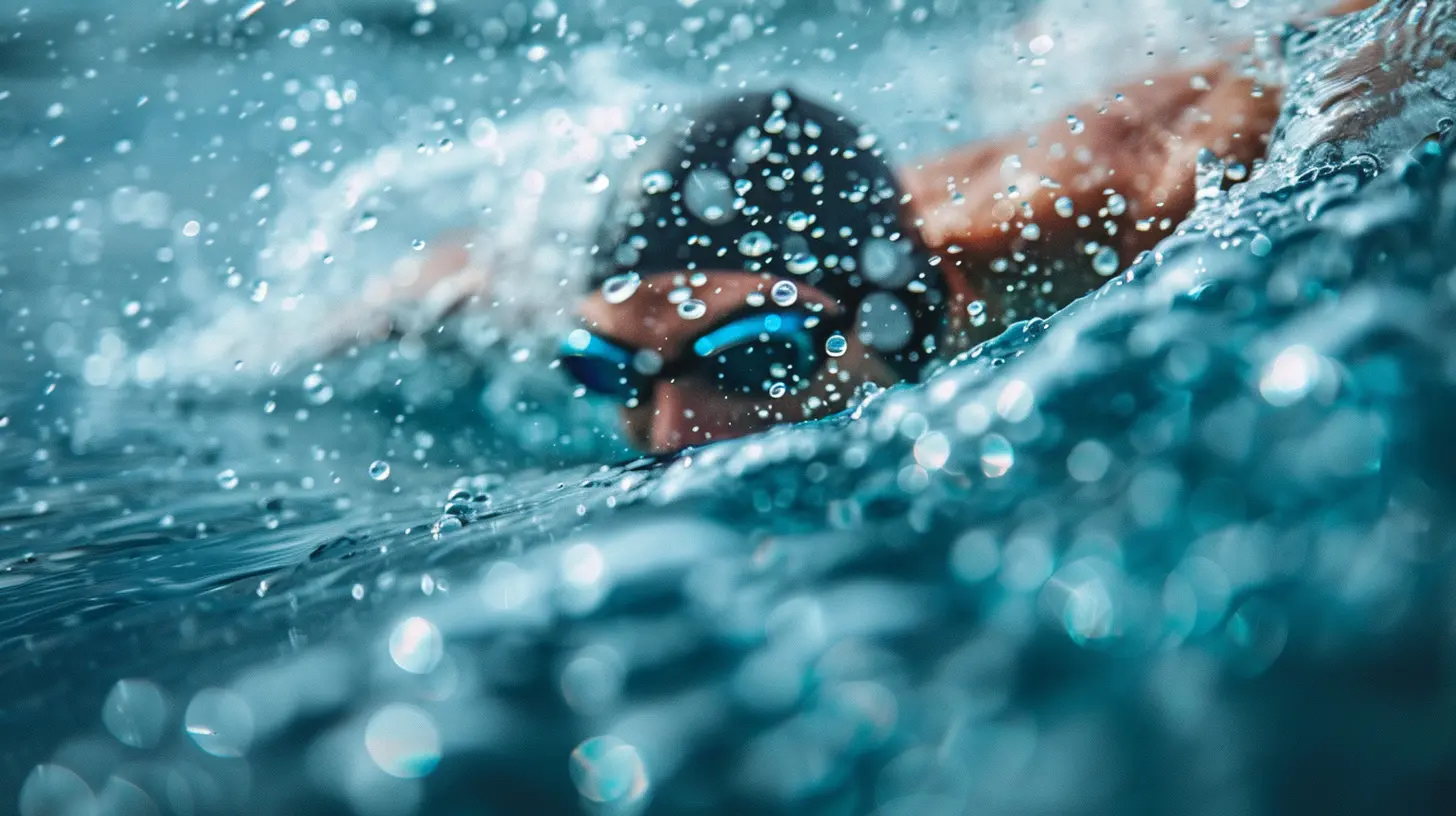
3. Bilateral Breathing Drill
In open water, you don’t always have the luxury of choosing which side to breathe on. Waves, wind, or a nearby competitor might make it necessary to switch sides. That’s where bilateral breathing comes in handy. It allows you to be flexible and adapt to whatever the conditions throw at you.How to Perform the Bilateral Breathing Drill:
- Swim freestyle, but instead of breathing every 2 strokes, breathe every 3 strokes.- This forces you to alternate which side you breathe on.
- Focus on keeping your stroke smooth and your breathing relaxed.
Why It Works: Breathing on both sides helps you stay balanced and prepared for changing conditions. It also improves your overall stroke efficiency.
4. Drafting Practice
In a triathlon, drafting behind another swimmer can save you a ton of energy. Much like how cyclists draft behind one another, swimming in someone’s wake reduces water resistance, allowing you to swim faster with less effort.How to Perform the Drafting Drill:
- Find a swim partner and swim directly behind them, staying as close to their feet as possible.- Focus on staying in their slipstream and maintaining your position without touching their feet.
- After a few minutes, switch positions and have your partner draft behind you.
Why It Works: Drafting can be a game-changer in open water races. This drill helps you practice positioning and pacing so you can take advantage of drafting during your next race.
5. The No-Wall Swim Drill
One of the biggest adjustments for pool swimmers is the lack of walls in open water. You don’t have that brief moment of rest when you flip-turn or touch the wall, so it’s important to build your endurance for continuous swimming.How to Perform the No-Wall Swim Drill:
- Swim in a pool, but when you reach the wall, don’t stop or push off.- Instead, turn around in the water without touching the wall and continue swimming.
- Repeat this for the entire length of your swim session.
Why It Works: This drill mimics the continuous nature of open water swimming, helping you build the endurance needed for longer races. It also helps you get used to swimming without the added boost of a wall push-off.
6. The Tempo Trainer Drill
Pacing is everything in a triathlon. Go out too fast, and you’ll burn out before the bike or run. The tempo trainer drill helps you find a consistent, sustainable pace that you can maintain throughout the swim.How to Perform the Tempo Trainer Drill:
- Use a metronome or tempo trainer (a small device that beeps at set intervals).- Set the device to a pace you want to maintain, and swim while keeping your strokes in sync with the beeps.
- Adjust the tempo based on your goals—slower for endurance training, faster for speed work.
Why It Works: This drill helps you develop a consistent stroke rate, which is key for pacing yourself in a race. It also trains you to swim at a set rhythm, even when you’re tired.
7. The Cold Water Acclimation Drill
If you're swimming in open water, chances are the temperature could be colder than you're used to. Cold water can be a shock to the system, making it harder to breathe and causing your muscles to tighten up. The cold water acclimation drill is all about getting your body used to those chillier conditions.How to Perform the Cold Water Acclimation Drill:
- Whenever you have the opportunity, swim in cold water (below 68°F or 20°C).- Start slow, entering the water gradually and focusing on controlling your breathing.
- Swim for short distances at first, gradually increasing your time in the water as your body adapts.
Why It Works: This drill helps your body get used to cold water, reducing the shock factor during races. It also trains you to control your breathing in less-than-ideal conditions, which is crucial for staying calm and focused.
8. The Open Water Simulation Drill
As much as pool drills can help, there’s no substitute for actual open water practice. The open water simulation drill is about recreating race-day conditions as closely as possible.How to Perform the Open Water Simulation Drill:
- Head to a local lake, ocean, or open water venue.- Practice all the drills you’ve been doing in the pool—sighting, drafting, pacing, and breathing.
- Simulate race conditions by swimming with a group, dealing with waves, and navigating buoys.
Why It Works: This drill is the ultimate test of how well your training is paying off. It helps you get familiar with the unpredictability of open water, so you’re ready for whatever comes your way on race day.
Building Confidence Through Repetition
Confidence in open water doesn’t come overnight. It’s built through repetition and gradually pushing yourself out of your comfort zone. The more you practice these drills, the more comfortable and confident you’ll feel when it’s time to race. Remember, the goal isn’t just to survive the swim—it's to thrive in it.Putting It All Together
Now that you’ve got a solid list of drills to work on, it’s time to put them into action. Try incorporating 1-2 of these drills into each swim session, alternating between pool and open water whenever possible. Over time, you’ll notice improvements not only in your speed but in your overall confidence. And remember—just like anything else in triathlon, consistency is key.So, the next time you’re staring out at a vast, open body of water, don’t let the nerves get the best of you. With the right training and mindset, you’ll be ready to dive in headfirst—literally and figuratively.
all images in this post were generated using AI tools
Category:
TriathlonAuthor:

Uziel Franco
Discussion
rate this article
2 comments
Astoria McKale
Diving into open water is like finding the fish at the bottom of a cereal box! Swim drills not only build confidence but also help you glide like a caffeinated dolphin!" 🐬🏊♂️✨
February 15, 2026 at 4:51 AM
Uziel Franco
Absolutely! Just like uncovering hidden treasures in cereal, swim drills reveal your potential. Happy swimming! 🏊♂️✨
Eden Cain
Focused drills enhance technique, boosting confidence and speed.
January 15, 2026 at 1:02 PM
Uziel Franco
Absolutely! Focused drills are key to mastering technique, which directly contributes to increased confidence and speed in open water swimming.