Rugby Positions Explained: Understanding Each Role on the Field
13 April 2026
Ah, rugby—the glorious game where giants clash, mud flies, and strategy is as important as brute strength. If you've ever watched a match and wondered, "What on earth is that guy doing?" then you're in the right place.
Rugby players don't just run around aimlessly, though it might look that way sometimes. Each position has a special role, much like the pieces on a chessboard—except with more broken noses and fewer polite moves. So, let’s break it all down and figure out who does what on the field.
The Rugby Team Layout: Forwards vs. Backs
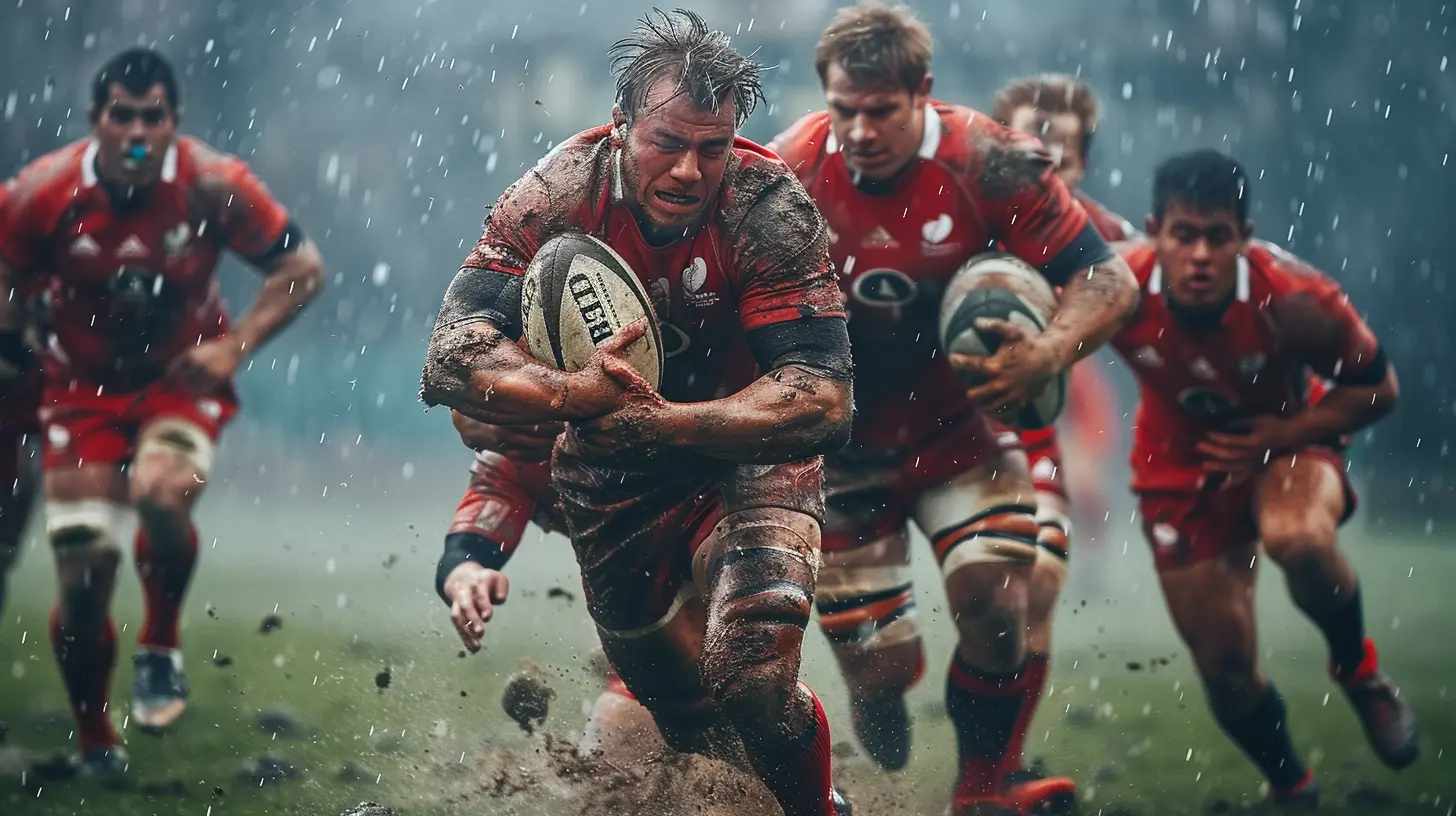
Before we dive into the details, let’s divide the team into two groups:- Forwards (Numbers 1-8): The human bulldozers responsible for scrummaging, tackling, and securing possession. Not the ones you call for a footrace.
- Backs (Numbers 9-15): The slightly more graceful players known for their speed, kicking ability, and making flashy plays.
Now, let's dissect these roles like a coach analyzing game footage. 
The Forwards: The Muscle of the Team
If rugby were a medieval battle, the forwards would be the knights in heavy armor, smashing everything in their path. Their job? Win possession, dominate scrums, and make life miserable for the opposition.Props (1 & 3) – The Unsung Heroes of the Scrum
Props are the ones who go headfirst into battle with a smile, knowing their contribution is vital—yet they receive little glory. These guys anchor the scrum, ensuring their team doesn't get shoved into next week.- Need to be strong as an ox yet flexible enough not to break in half.
- Usually built like refrigerators with legs.
- Never, and I mean NEVER, expect them to sprint.
Hooker (2) – The Guy Who Throws Like an Olympian
The hooker, despite the eyebrow-raising name, isn't there for questionable reasons. This player is crucial in scrums and lineouts, responsible for "hooking" the ball back to their teammates.- Has to withstand being squashed between two props.
- Needs hands smooth enough to throw pinpoint lineout throws.
- Tough as nails, because getting smashed every play is part of the job description.
Locks (4 & 5) – The Giants of the Game
Locks are the giraffes of the rugby world—tall, powerful, and nearly impossible to stop once moving. They’re the primary jumpers in lineouts and have the delightful responsibility of adding pure brute force to scrums.- Tall enough to change light bulbs without a ladder.
- Strong enough to carry a small car (or at least a few exhausted teammates).
- Not particularly known for their fancy footwork, but they’ll make you regret tackling them.
Flankers (6 & 7) – The Chaos Enthusiasts
Flankers are the ones who thrive on disruption. They hunt down the opposition like predators, making tackles, stealing the ball, and generally being a nuisance.- Fast, relentless, and often borderline crazy.
- Always lurking, waiting to pounce on slow-moving players.
- If rugby were a heist movie, they'd be the stealthy thieves nobody sees coming.
Number 8 – The Silent Destroyer
The number 8 is the perfect mix of strength and skill, bridging the gap between forwards and backs. They carry the ball like a freight train and add some much-needed agility among the big boys.- Think of them as the "cool" forward who can actually run.
- Must dominate in both attack and defense.
- Often the one leading the charge when the team needs a big play. 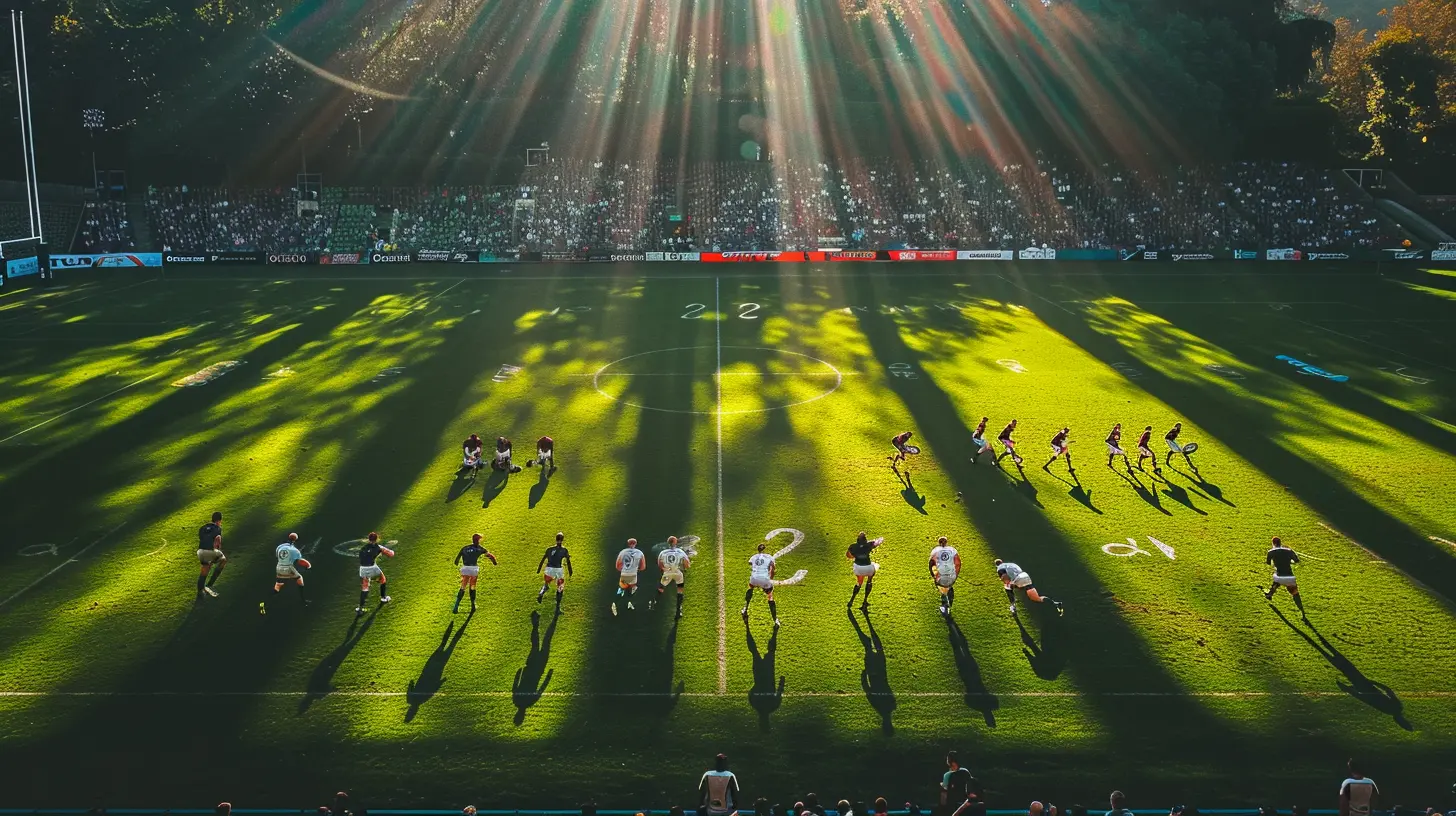
The Backs: The Speed and Flair
Now, let’s talk about the players who get all the glory—the backs. They’re the ones who score tries, make fancy sidesteps, and occasionally kick like they’ve been training with soccer players.Scrum-Half (9) – The Fast-Talking, Fast-Passing Magician
The scrum-half is that loud-mouthed player always barking orders and demanding the ball. They’re the link between forwards and backs, controlling the game’s tempo.- Think of them as the quarterback of rugby.
- Quick decision-making and even quicker hands.
- Small, but very, VERY annoying for opponents.
Fly-Half (10) – The Tactical Genius (or the Scapegoat)
The fly-half is the mastermind (or mad scientist) of the team. Every attack runs through them, and if something goes wrong? Yeah, guess who's getting blamed.- Needs vision, creativity, and a calm head under pressure.
- Kicks like a soccer star, passes like a wizard.
- If they mess up? Expect their name to trend on Twitter.
Centres (12 & 13) – The Dual Threat
Inside Centre (12) and Outside Centre (13) form a deadly combo. The inside centre is like a bulldozer with finesse, while the outside centre is an evasive speedster with killer instincts.- Inside Centre: Strong, good passer, can smash through defenders.
- Outside Centre: Fast, elusive, and the one expected to score brilliant tries.
- Together, they’re like a buddy-cop duo that thrives on chaos.
Wingers (11 & 14) – The Speed Demons
The wingers are basically the Ferraris of the rugby world—fast, flashy, and designed to finish off attacks in style.- Sprint past defenders like they've stolen something.
- Expect them to score tries, but don’t rely on them for tackling.
- Probably the most loved players on the team, unless they drop the ball at the worst moment.
Fullback (15) – The Last Line of Defense (and Occasional Hero)
The fullback is the safety net, the last hope when everything goes wrong. They must be comfortable under the high ball, quick on their feet, and ready to launch counter-attacks.- Needs the hands of a world-class cricket fielder.
- Has to deal with terrifying kicks while opponents charge at full speed.
- Often praised when they save the day, but brutally criticized if they mess up. 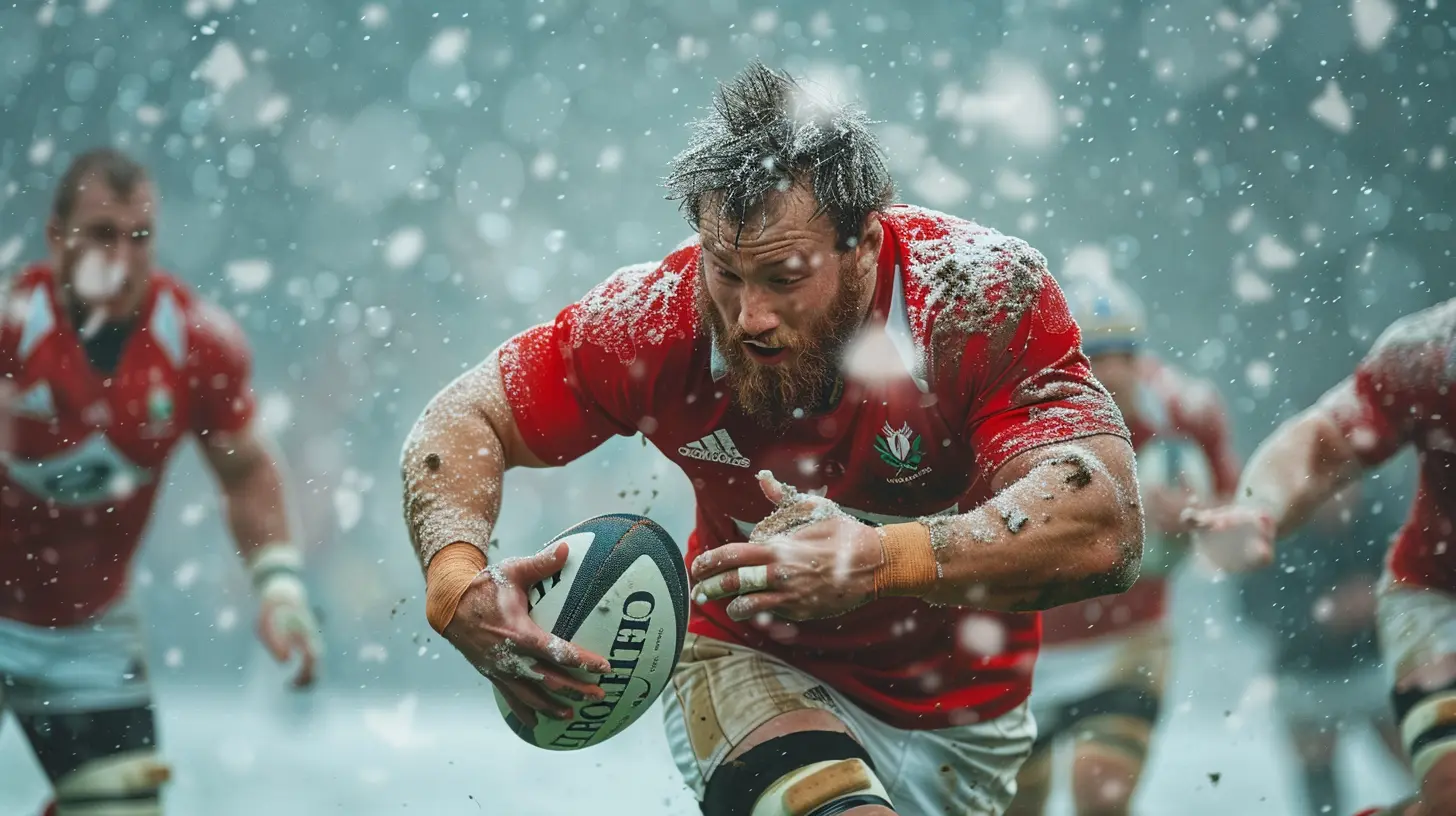
Final Thoughts: Every Position Matters (Even If It Doesn't Look Like It)
So there you have it—the full breakdown of rugby positions. Whether you're a towering lock, a speedy winger, or the fly-half trying to take all the credit, every role plays a crucial part.Next time you watch a rugby match, you’ll know exactly who to blame for that missed tackle, who deserves praise for a brilliant play, and why props deserve more love than they get.
all images in this post were generated using AI tools
Category:
RugbyAuthor:

Uziel Franco
Discussion
rate this article
2 comments
Candice Cannon
This article simplifies complex roles in rugby, but it misses the nuances of teamwork and strategy. Understanding individual positions is vital, yet the true essence lies in how they collaborate.
June 18, 2026 at 11:46 AM
Melissa McKinnon
Great breakdown of rugby positions! Understanding each role really enhances the game experience. It’s fascinating how every position contributes to the team’s strategy. Can’t wait to see how these insights play out in the next match!
April 14, 2026 at 10:34 AM
Uziel Franco
Thank you! I'm glad you found it helpful. Enjoy the next match!