Street Style vs Vert Skating: Understanding the Differences
31 January 2026
Skateboarding has evolved into a diverse culture with various disciplines, each offering a unique experience. Two of the most well-known styles are Street Skating and Vert Skating. While both involve a board and four wheels, the way skaters approach obstacles, tricks, and terrain differs significantly.
So, what sets these two apart? Whether you're a beginner trying to decide which style suits you or a seasoned skater looking to refine your skills, this guide breaks down the key differences between street and vert skating.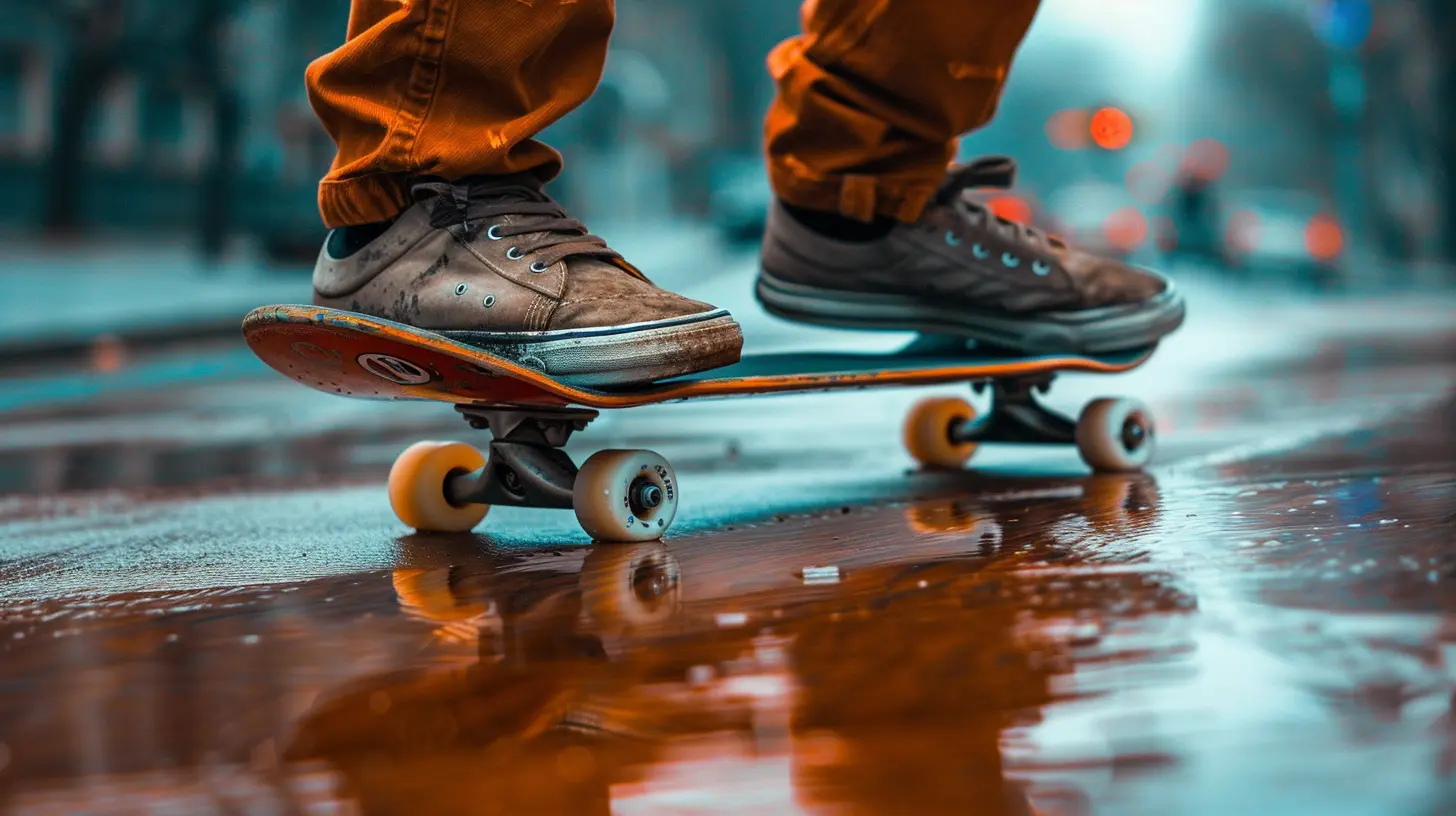
What is Street Skating?
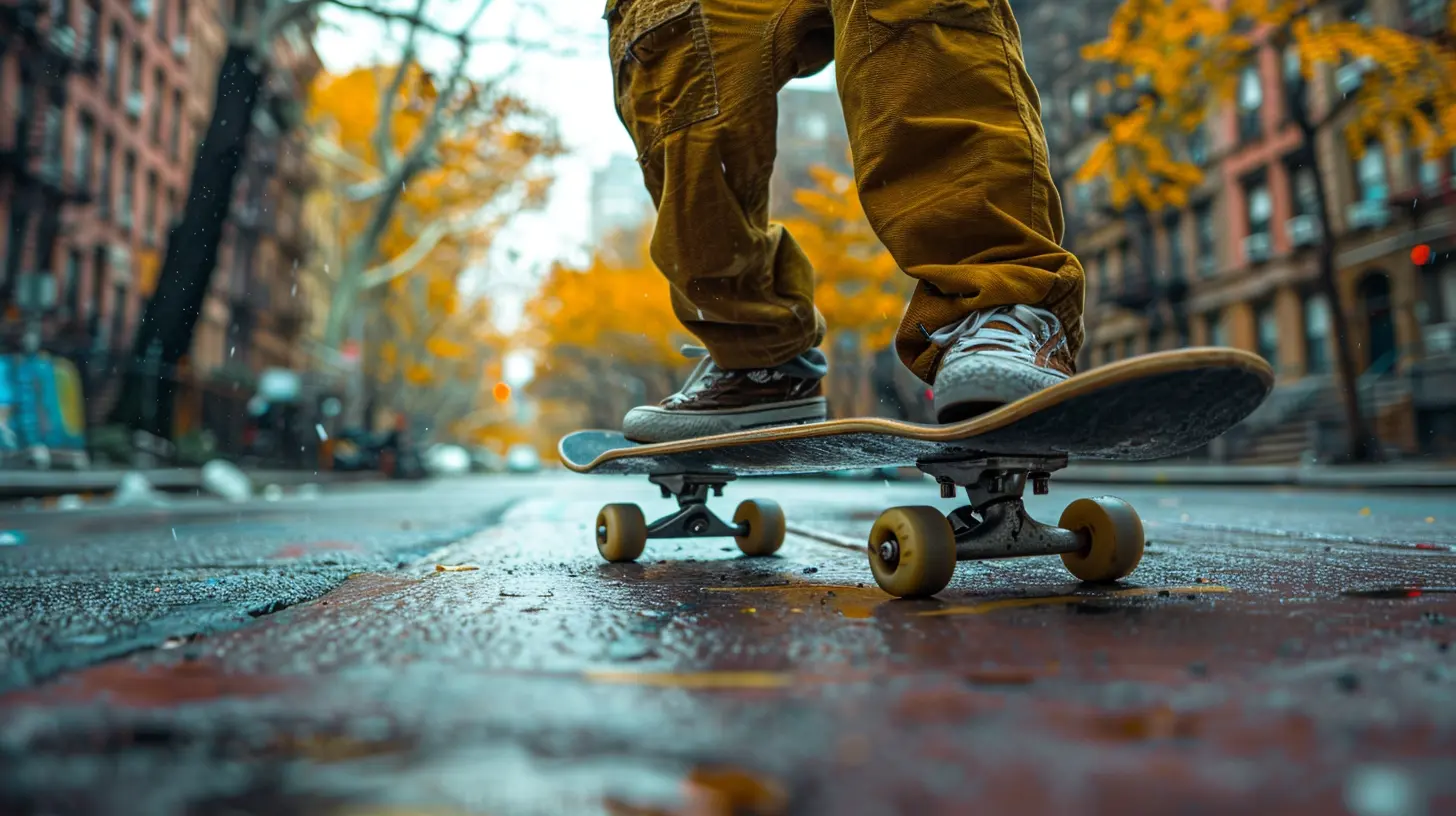
Street skating is all about creativity, adaptability, and using urban environments as a playground. Instead of relying on ramps or halfpipes, street skaters take advantage of handrails, stairs, benches, curbs, ledges, and even gaps between sidewalks.Key Features of Street Skating
- Terrain: Skaters use urban features like stairs, rails, ledges, and curbs.- Tricks: Flip tricks, grinds, manuals, and technical combos are common.
- Style: More improvisational, focusing on technical control and consistency.
- Equipment: Street skates tend to have smaller, harder wheels for better pop and responsiveness.
Why Skaters Love Street Skating
- Endless Creativity: Every city or skatepark presents new challenges.- More Accessible: You don’t need a big ramp—just a good spot.
- Highly Technical: Mastering tricks like kickflips, heelflips, and tre flips takes time but is rewarding.
Challenges of Street Skating
- Higher Risk of Slams: The rough concrete isn't forgiving.- Spot Availability: Some places ban skateboarding, making it tough to find new spots.
- Board Wear & Tear: Regular grinding and impact can break boards faster.
What is Vert Skating?
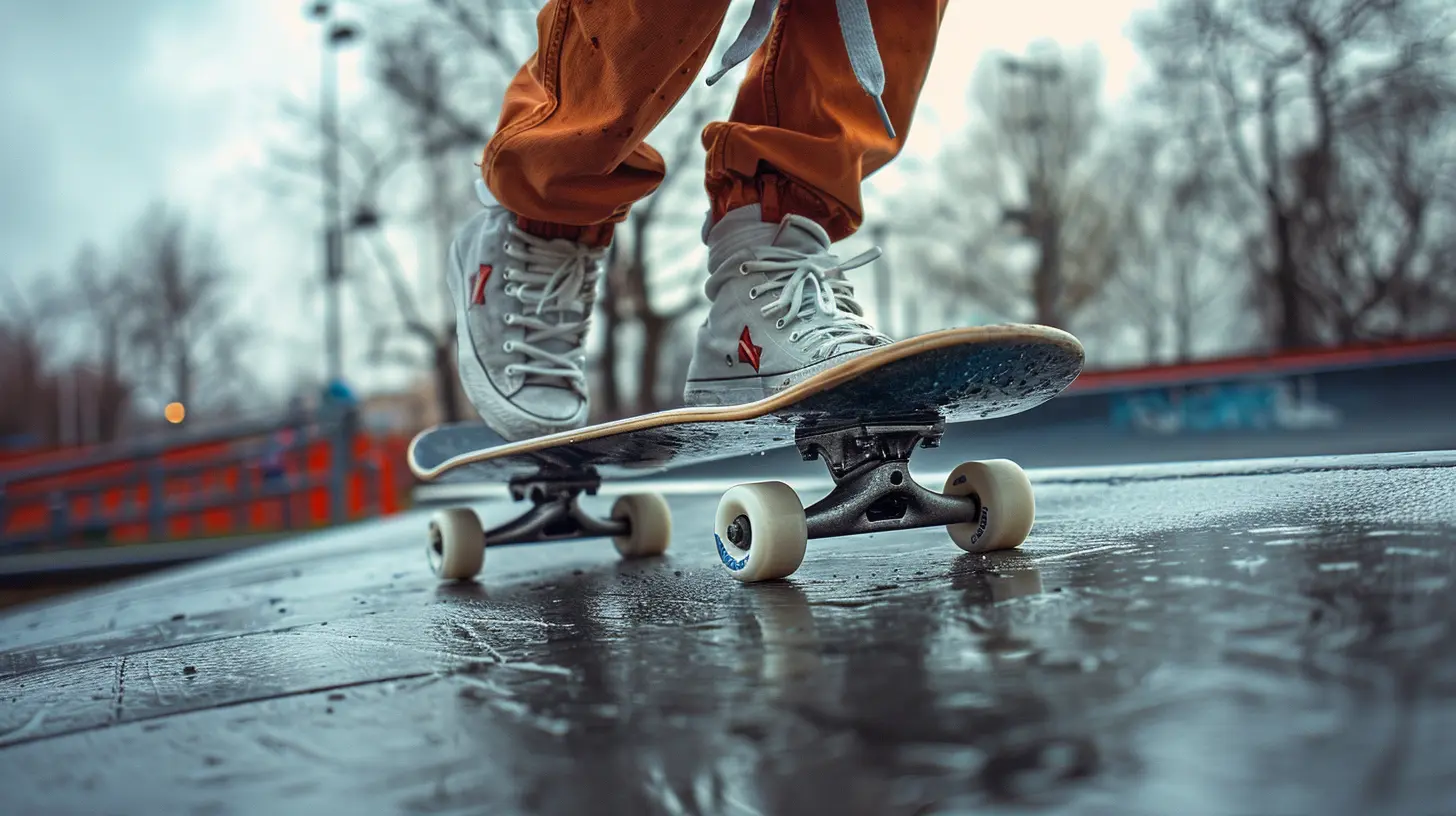
Vert skating (short for vertical skating) takes things to the extreme—literally. This style involves high-speed riding on large ramps, halfpipes, and bowls, focusing on airtime and big tricks.Key Features of Vert Skating
- Terrain: Halfpipes, bowls, mega ramps, and skateparks built for vertical tricks.- Tricks: Big airs, spins, grabs, and technical lip tricks.
- Style: High-flying, fluid, and powerful.
- Equipment: Larger, softer wheels for smoother transitions and stability.
Why Skaters Love Vert Skating
- Adrenaline Rush: There’s nothing like soaring through the air.- Smooth Transitions: Less impact on the body compared to street skating.
- Spectacular Tricks: Watching a skater land a 900 or an aerial kickflip is mind-blowing.
Challenges of Vert Skating
- Access to Ramps: Not everyone has a halfpipe nearby.- Steep Learning Curve: Dropping in can be terrifying for beginners.
- Injuries Can Be Brutal: A failed trick on a ramp can lead to serious falls.
Street vs. Vert Skating: Breaking Down the Differences
| Feature | Street Skating | Vert Skating ||-------------------|--------------|--------------|
| Terrain | Streets, curbs, rails, stairs | Ramps, halfpipes, bowls |
| Trick Style | Flip tricks, grinds, manuals | Aerial tricks, grabs, spins |
| Skill Focus | Technical precision, consistency | Speed, height, smooth landings |
| Equipment | Smaller, harder wheels for control | Larger, softer wheels for stability |
| Accessibility | Can skate almost anywhere | Requires a proper ramp or skatepark |
Both styles demand skill, creativity, and courage, but your personal preference will determine which one you gravitate towards.
Which One is Best for Beginners?
If you're just starting, you might wonder: Is street or vert skating easier? The answer depends on your learning style and available practice spots.- Street Skating Pros: More accessible, lets you master fundamental tricks quicker.
- Street Skating Cons: Crashes on concrete hurt more, and technical tricks can be frustrating.
- Vert Skating Pros: Less impact on the board, exciting tricks, and smoother transitions.
- Vert Skating Cons: Steeper learning curve and fewer ramps available.
For most beginners, street skating is the more accessible choice—you don’t need a giant ramp, just a board and an open spot to practice.
Famous Skaters from Both Worlds
To better understand each style, let’s look at legendary skaters who dominated in these areas:Street Skating Icons
- Rodney Mullen – The godfather of street skating, he invented tricks like the kickflip and impossible.- Daewon Song – Known for his insane technical skills and creative combos.
- Nyjah Huston – One of today’s best competitive street skaters.
Vert Skating Legends
- Tony Hawk – The face of vert skating, famous for landing the first 900.- Bob Burnquist – Known for fearless mega ramp tricks.
- Danny Way – Pushed vert skating boundaries with record-breaking jumps.
Each of these skaters has played a massive role in shaping modern skateboarding.
Final Thoughts: Which Style is Right For You?
At the end of the day, skateboarding is about passion and personal expression. The best way to know which style suits you is to try both!- If you love grinding rails, popping technical tricks, and skating anywhere, street skating is for you.
- If you crave airtime, epic ramps, and high-speed action, vert skating is your best bet.
Some skaters even blend both styles, using street techniques in bowls and ramps or incorporating vert-style airs in street skating. There are no strict rules—just have fun and keep pushing your limits!
all images in this post were generated using AI tools
Category:
SkateboardingAuthor:

Uziel Franco
Discussion
rate this article
2 comments
Fern McHugh
Great article highlighting the distinct vibes of street and vert skating! It’s fascinating how each style showcases different skills and creativity, reflecting diverse cultures within the skateboarding community. Eager to see how both continue to evolve!
March 1, 2026 at 12:27 PM
Uziel Franco
Thank you! I'm glad you enjoyed the article and found the distinctions between street and vert skating intriguing. It’s exciting to see how both styles continue to evolve!
Sadie McKinstry
Street style's raw creativity clashes with vert's precision; both push boundaries but skate to their own rhythm.
February 2, 2026 at 5:56 AM
Uziel Franco
Thank you for highlighting the unique essence of both styles! Street style and vert skating each bring their own creative flair and precision, showcasing the diverse nature of skate culture.