The Benefits of Multi-Sport Participation for Kids
26 June 2026
Have you ever noticed how some kids seem to bounce from one activity to another with boundless energy and excitement? One week it's soccer, the next it's swimming, and then suddenly they're picking up a tennis racket or trying gymnastics. If you're a parent, coach, or just someone who loves sports, you’ve probably wondered—should kids really be playing more than one sport?
The answer? Absolutely yes. Multi-sport participation for kids isn't just about keeping them busy—it offers a whole range of physical, mental, emotional, and social benefits that set them up for long-term success, both on and off the field.
In this post, we'll dive deep into why encouraging kids to play multiple sports is one of the best decisions you can make for their development. So grab a cup of coffee, and let’s get into it.
1. Physical Development: Building a Stronger, More Well-Rounded Athlete
When kids play different sports, they’re constantly using various muscle groups, movements, and skills. This overall physical development is essential in helping them grow into strong, flexible, and agile individuals.Reduced Risk of Overuse Injuries
Think about it—when a child plays only one sport year-round, they’re repeating the same motions over and over. This can strain developing joints and muscles. For example, too much baseball can lead to throwing-related injuries, while nonstop running in soccer might stress the knees.Playing multiple sports gives certain muscles time to rest while others are activated—like giving the body a well-rounded fitness routine. It’s like cross-training for kids, and it’s a proven way to avoid burnout and injuries.
Better Motor Skills and Coordination
Each sport brings its own set of movements—jumping, twisting, sprinting, balancing. The more varied the activities, the more your child develops a toolkit of fine and gross motor skills. A kid learning to shoot a basketball builds hand-eye coordination, while one learning to swim improves breathing and rhythm. Mix those together? You’ve got a young athlete with excellent body control and athletic IQ.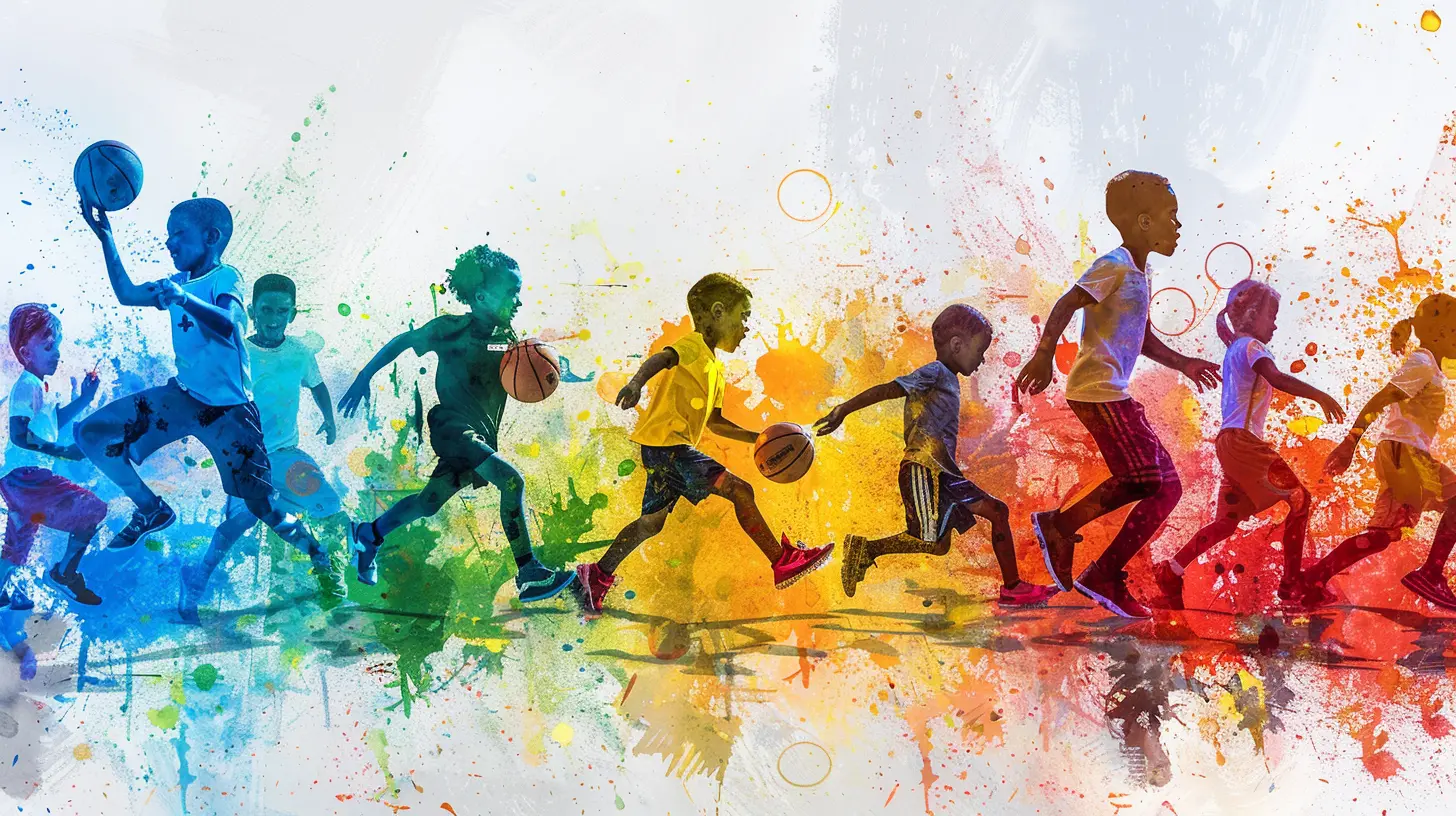
2. Mental and Emotional Growth: Boosting Confidence and Resilience
Sports aren’t just about physical gains—they’re mental gymnasiums too.Learning to Fail, and Try Again
Each sport comes with its own challenges. Maybe your child is a natural at tennis but struggles in martial arts. That’s okay—it teaches them that failure isn’t final. Trying again, pushing through setbacks, and gradually improving boosts emotional strength. This kind of resilience is gold—not just in sports, but in life.Building Confidence in Different Scenarios
Winning a game of basketball feels different than mastering a gymnastics routine. Succeeding in a variety of environments helps kids feel capable and confident across different settings. It’s a great way to help shy or anxious children come out of their shell too.
3. Social Advantages: Creating Diverse Friendships and Team Skills
We all know sports are social activities—and that’s a big part of their charm.Interacting with Different Groups
Different sports attract different communities. While playing soccer, your child might meet fast-paced, high-energy peers. In a swim club, the dynamic may be more individual-focused and disciplined. This variety gives kids the chance to improve their communication and socialization skills across different groups.Learning to Be Both a Leader and a Team Player
In basketball, your kid might shine as a leader, calling plays and rallying the team. In track and field, they may work more individually but still support teammates during relay races. These varied roles help them understand what it means to lead, support, collaborate, and compromise.
4. Avoiding Burnout: Keeping the Joy Alive
Let’s be real—sports should be fun! But hyper-focusing on one sport too early can suck the joy out of the experience and turn it into a chore.Variety Keeps It Fresh
Imagine eating your favorite food every single day. Eventually, you’d get tired of it, right? The same goes for sports. Rotating through different activities breaks up monotony, keeps kids engaged, and reignites passion again and again.Delaying Specialization—And Why That’s a Good Thing
There's this growing trend where kids specialize in one sport super early, hoping to score a college scholarship or go pro. Here's the reality: most elite athletes didn’t specialize until later in their teen years. In fact, many scouts and coaches prefer multi-sport kids because they’re more adaptable, coachable, and less prone to injury.5. Cognitive and Academic Benefits: Beyond the Playing Field
Believe it or not, playing multiple sports can actually make your kid smarter.Improving Focus and Discipline
Sports like martial arts teach discipline; soccer enhances split-second decision making; swimming requires focused breathing and rhythm. All these little things contribute to better concentration and time management—skills that directly impact academic performance.Enhancing Problem-Solving Abilities
When kids play different sports, they're constantly learning new strategies, adapting to changing scenarios, and thinking on their feet. Whether it's adjusting their stance in baseball or finding a way through defenders in basketball, these moments train their brains to think critically and react quickly.6. Lifelong Love for Fitness and Activity
One of the best things about multi-sport participation is that it sets the foundation for a lifelong relationship with physical activity.Building Habits That Stick
Kids who enjoy a variety of sports are more likely to keep moving as they grow older. They’ve learned that movement can be joyful, not just something you "have to do." That mindset helps prevent sedentary lifestyles and the health issues that come with them.Finding What They Truly Love
By trying several sports, kids get the chance to figure out what really excites them. Maybe they find their rhythm in dance or their calling on the soccer field. Letting them explore is like giving them a buffet of possibilities—they’ll gravitate toward what speaks to them.7. Parental Perspective: Less Pressure, More Joy
Let’s not forget about the parents!Easier on the Budget (In The Long Run)
While juggling multiple sports may seem expensive at first, it can actually cut down on long-term spending. When kids specialize early, families often invest heavily in travel teams, private training, and gear. A more balanced approach with seasonal sports can ease the financial load.More Balanced Family Schedule
Multi-sport kids are often on seasonal rotations, which helps avoid the year-round intensity that comes with a single-sport focus. That means better family balance, more flexibility, and less burnout—for everyone involved.Quick Tips for Parents and Coaches
Want to support your kid in becoming a multi-sport superstar? Here's a quick playbook:- Encourage exploration: Let them try different sports at least until middle school.
- Watch for signs of burnout: If they’re dragging their feet to practice every day, it might be time for a break—or to switch it up.
- Prioritize fun over results: Winning is great, but loving the game matters more.
- Balance schedules: Avoid overlapping seasons when possible to prevent exhaustion.
- Support, don't pressure: Let your child’s interests guide their path—not your dreams of a full-ride scholarship.
Final Thoughts: Let Kids Be Kids
At the end of the day, sports should be a source of joy, growth, and self-discovery for your child. Encouraging multi-sport participation isn't about turning them into a future Olympian—it’s about giving them the tools, experiences, and confidence to thrive.So whether your little athlete is juggling basketball, tennis, and karate—or just testing the waters—cheer them on. Say yes to the variety. Celebrate the learning. And remember: the goal is to raise happy, healthy, and well-rounded kids who think, move, and live confidently both on and off the field.
all images in this post were generated using AI tools
Category:
Youth SportsAuthor:

Uziel Franco
Discussion
rate this article
1 comments
Bridget Stone
Great article! You really captured the essence of how multi-sport participation can shape kids both physically and mentally. It's refreshing to see the focus on personal growth and teamwork. Every child deserves the chance to explore their passions in sports.
July 14, 2026 at 4:27 AM
Uziel Franco
Thank you! I'm glad you found it insightful. Encouraging kids to explore different sports can truly make a big difference in their development.
![Unstoppable: How [Player Name] Became One of the Leagues Best](/pictures/blog/small/unstoppable-how-player-name-became-one-of-the-leagues-best_4.webp)