The Role of Sponsorships in Building Sports Franchises
15 March 2026
Let’s get one thing straight—sports franchises are more than just jerseys, game-day hot dogs, and superstar athletes. Behind every championship team or beloved hometown club, there’s a powerful engine keeping the lights on and the scoreboard flashing: sponsorships.
That’s right. The flashy logos on uniforms, the catchy commercials during halftime, and those big banners in the stadium? They’re way more than just background fluff. Sponsorships are the financial backbone of sports franchises, shaping their present and future. So, buckle up, sports fans—because we're taking a fun yet informative deep dive into how sponsorships build, boost, and sometimes even rescue your favorite sports teams.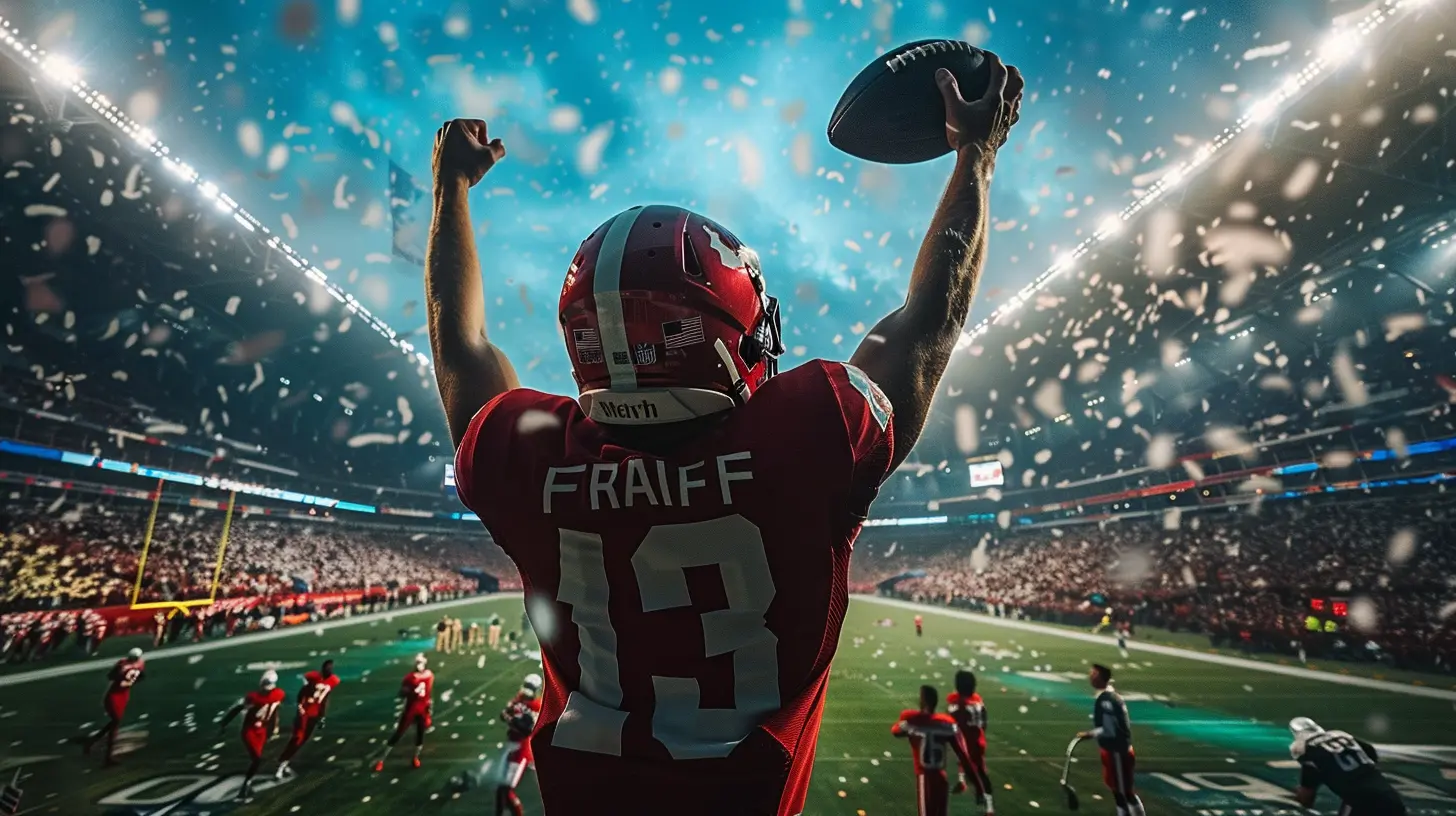
What Exactly Is a Sponsorship?
You’ve seen the Nike swoosh, the Pepsi ads, and the massive logos stamped on race cars and soccer kits. But what do these sponsorships actually do?In simple terms, a sponsorship is when a brand pays (with money, products, or services) to be associated with a sports team, event, or athlete. In return, they get exposure, brand recognition, and sometimes—if the stars align—hero status in the eyes of fans.
Think of it like this: the franchise gets the cash and resources it needs to operate at full throttle. The sponsor gets access to a passionate, loyal, and often global audience. It’s a win-win—like scoring a touchdown and getting the extra point.
A Brief Flashback: The History of Sports Sponsorship
Let’s rewind the tape for a sec.Back in the day—long before billion-dollar deals—sports were mostly community-based and money came from ticket sales and maybe a local newspaper ad. But then came television, global audiences, and the realization that sports fans would buy anything endorsed by their favorite players.
Boom—corporate sponsorships were born.
By the 1980s and 1990s, companies realized that if a player like Michael Jordan wore their brand, their sales sky-rocketed. And the rest, as they say, is history.
Why Sponsorships Matter (Like, A Lot)
💰 Financial Fuel for Franchises
Let’s be real. Running a sports franchise ain’t cheap—players’ salaries, travel, stadium maintenance, marketing... the list goes on. Sponsorships bring in the big bucks that help franchises not just survive but thrive.Some teams earn millions annually just from corporate sponsorships alone. That extra dough often goes into improving training facilities, signing star athletes, and creating better fan experiences.
Without sponsors? You might be watching games in 15-year-old arenas with broken bulbs and half-time performances by local cover bands (no offense to “The Rolling Tones”).
🌍 Global Brand Exposure
Sponsors often have international reach, and when they partner with a sports franchise, both entities enjoy massive exposure around the globe.Let’s say a soft-drink giant sponsors a football club. Every time that club plays on TV—or even posts a cute locker room TikTok—the brand gets exposure. That’s marketing gold!
🤝 Solidifying Credibility & Trust
Fans trust their teams. So, when they see their favorite team partnered with a brand, it builds trust in the sponsor. The brand basically gets to ride shotgun on the fan-love train.On the flip side, teams also benefit by being associated with reputable, big-name companies. It’s a two-way street, paved with mutual respect—and dollar signs.
Types of Sponsorships in Sports
Not all sponsorships are created equal. Let’s break down some of the major types you’ll see out there:1. Title Sponsorships
You’ve seen it before: “The [Brand Name] Super Bowl Halftime Show” or “The XYZ Cup Final.” That’s title sponsorship. The event literally carries the sponsor’s name like a badge of honor.It’s branding on steroids.
2. Jersey Sponsorships
This one’s in your face—literally. Brands pay big bucks to get their logo slapped onto players’ jerseys. It’s some of the best advertising money can buy. Fans wear those jerseys everywhere, turning into walking billboards.3. Stadium Naming Rights
Ah yes, the stadium that sounds more like a tech company than a sports venue—because it is a tech company. Brands pay millions to name stadiums. Think "Crypto.com Arena" or "Emirates Stadium."This type of sponsorship is massive in terms of visibility and prestige.
4. Digital & Social Media Sponsorships
In today’s digital world, sponsorships go beyond the field. Social media posts, YouTube content, and even player livestreams are becoming prime real estate for brands.It’s like sneaking your ad into the group chat—genius, right?
5. Event-Driven Sponsorships
Some brands jump on board just for a specific event, like a marathon or a charity match. It’s short-term but can pack a punch if the event goes viral or draws big viewership.How Sponsorships Help Build Sports Franchises
Let’s break this down with a bit more spice. Here’s how sponsorships help franchises level up:🧱 Infrastructure & Facility Improvement
With sponsorship cash, franchises can upgrade their infrastructure. That means better stadiums, training grounds, locker rooms, and even high-tech recovery equipment.An athlete with a world-class facility is like a gamer with a top-tier PC—ready to dominate.
🙋♂️ Fan Engagement & Experience
Those pre-game giveaways, slick mobile apps, and half-time fireworks? Often made possible or enhanced through sponsorship activations.Sponsors love engaging with fans, and franchises reap the rewards with deeper fan loyalty and expanded audiences.
🔄 Long-Term Franchise Stability
Sponsorships offer consistent revenue streams. That’s key in building a franchise that lasts decades instead of years. It allows owners to plan long term, attract top talent, and remain competitive season after season.Stability > flash-in-the-pan success.
Challenges in the Sponsorship Game
Alright, it’s not all sunshine and champagne showers. Sponsorships do come with their fair share of sticky wickets.⚠️ Misaligned Brand Values
You ever see a junk food brand sponsoring a health-focused athlete? Yeah, that’s a bit murky.If a sponsor’s image doesn’t align with the team or audience, it can backfire. Fans are smart—and they love calling out hypocrisy 🤨.
📉 Poor Performance = Poor Returns
If a team underperforms or gets caught in controversy, it can drag down sponsors with them. No brand wants their logo next to a scandal.🔄 Changing Market Trends
What’s hot today might be ice cold next season. Sponsors have to keep up with changing trends—and franchises have to stay attractive partners. It’s a constant game of relevance.Case Studies: Sponsorships That Made a Difference
Let’s look at some real-world examples where sponsorships turned the tide:🏀 Air Jordan x NBA
When Nike took a chance on a young Michael Jordan, they transformed not just an athlete, but the entire basketball world. The Air Jordan brand has now crossed into lifestyle, culture, and even international business.Sponsorship win? More like slam dunk.
⚽ Emirates & Arsenal FC
Arsenal’s long-time sponsorship with Emirates isn’t just about the stadium name. It's helped the club invest in top talent and grow a global fanbase—especially in the Middle East and Asia.Strategic? You bet.
🏎️ Red Bull Racing
Red Bull didn’t just sponsor a Formula 1 team—they created one. And now, Red Bull Racing is a top-tier team with multiple championships under their belt. Energy drink meets need for speed.The Future of Sports Sponsorships
Spoiler alert: The sports sponsorship game is evolving—fast.We’ve got cryptocurrency companies jumping into the arena, NFTs popping up like wild cards, and virtual reality experiences being branded by tech firms. The future looks wild.
But no matter how futuristic it gets, the core idea remains: partnerships between leagues, teams, athletes, and brands will always be central to the growth and success of sports franchises.
Final Whistle Thoughts
Sponsorships are like the secret sauce in a sports team’s recipe. You might not always notice it, but it’s what gives the final product its flavor, finesse, and financial firepower.Whether you're a die-hard fan, a budding sports marketer, or just someone who vibes with cool logos on jerseys—it's impossible to ignore the role that sponsors play in the sports world.
So next time you’re watching a game and see that brand name flash across the screen, remember: it’s not just an ad—it’s a lifeline, a partnership, and a building block in the world of sports franchises.
all images in this post were generated using AI tools
Category:
Sponsorship DealsAuthor:

Uziel Franco
Discussion
rate this article
2 comments
Marie McCune
Great insights! Sponsorships truly elevate sports franchises, helping them grow and connect with fans more effectively!
April 7, 2026 at 2:46 AM
Uziel Franco
Thanks for your feedback! Sponsorships really do play a crucial role in strengthening the bond between franchises and their fans.
Bryson McLoughlin
Great insights on the impact of sponsorships in sports! It's fascinating to see how strategic partnerships can elevate franchises both financially and reputationally. This article effectively highlights the importance of aligning with brands that share similar values to foster long-term success. Looking forward to more discussions on this topic!
March 16, 2026 at 12:27 PM
Uziel Franco
Thank you for your thoughtful comment! I'm glad you found the insights valuable. I agree that aligning with the right brands is crucial for long-term success. Excited for more discussions too!