Unlocking Speed: Interval Workouts for Triathletes
1 January 2026
When it comes to triathlons, speed is the name of the game. Whether you're racing in a sprint triathlon or tackling a grueling Ironman, improving your speed can make all the difference between hitting a personal best or struggling through the course. And guess what? Interval workouts are one of the best ways to unlock that speed and take your performance to the next level.
Now, if you've been around endurance sports for a while, you’ve probably heard the term "interval training" thrown around. But what exactly is it? And more importantly, how can triathletes—who need to excel at swimming, biking, and running—use interval workouts to supercharge their performance? Don’t worry, I’ve got you covered!
In this article, we’ll dive into the world of interval workouts, break down how they work, and explore why they are essential for triathletes looking to unlock their full potential. Buckle up, because by the end of this, you'll be ready to add some interval magic to your training routine!

What Are Interval Workouts?
Before we dig into the specifics of how interval training can benefit triathletes, let's get on the same page about what interval workouts actually are.Simply put, interval workouts involve alternating between periods of intense effort and periods of rest or low-intensity work. Think of it as a workout rollercoaster—you're working super hard for a short burst, then catching your breath before doing it all over again.
For example, you might sprint for 30 seconds, walk or jog for a minute to recover, then sprint again. These repeated cycles of high and low intensity help build speed, endurance, and power all at once. It's like sharpening both sides of the knife—you’re pushing your body to its limits and then giving it time to recover, which helps you get faster and stronger over time.
The Science Behind Interval Training
Why are interval workouts so effective? It all comes down to how our bodies respond to different levels of exertion.When you push yourself during high-intensity intervals, your heart rate skyrockets and your muscles demand more oxygen. This creates a training stimulus that helps improve your cardiovascular fitness and increases the efficiency of your muscles. On the flip side, those rest periods allow your body to recover, but not fully, which means you’re still working hard even when you're not sprinting.
Over time, this repeated stress and recovery cycle helps improve your lactate threshold (the point at which lactic acid builds up in your muscles and causes fatigue), increases your VO2 max (the maximum amount of oxygen your body can use during exercise), and improves your overall endurance. In short, interval training makes you more efficient and powerful—and faster!

Why Triathletes Need Interval Workouts
So, why should triathletes, in particular, focus on interval training? Well, triathlons are all about balancing three different disciplines: swimming, cycling, and running. And guess what? Interval workouts can help you improve in all three!Here are some key reasons why interval training is a triathlete’s secret weapon:
1. It Improves Speed Across All Disciplines
Whether you're in the water, on the bike, or pounding the pavement, speed is critical. Interval training helps you develop explosive power and speed, allowing you to move faster during each phase of the race. Plus, you’ll find yourself recovering quicker between efforts—whether you're transitioning from swimming to biking or from biking to running.
2. It Boosts Endurance Without the Time Commitment
Let’s face it: most of us don’t have hours upon hours to train every single day. Interval workouts are a time-efficient way to build both speed and endurance. You can get a lot of bang for your buck with short, intense sessions that replicate race conditions. Instead of spending hours on long, slow runs or bike rides, you can pack a punch with targeted interval sessions.3. It Builds Mental Toughness
Intervals aren’t just physically demanding—they’re mentally challenging, too. Pushing yourself through those hard efforts when your legs are burning and your lungs are screaming builds mental resilience. This mental toughness will pay off big time when you're in the middle of a race and things get tough.4. It Helps You Adapt to Race Conditions
Interval training mimics the unpredictable nature of a triathlon. You won’t be cruising along at a steady pace for the entire race. Instead, you'll face hills, wind, fatigue, and varying race paces. By incorporating interval workouts into your routine, you’ll be better prepared to handle those challenging race-day conditions.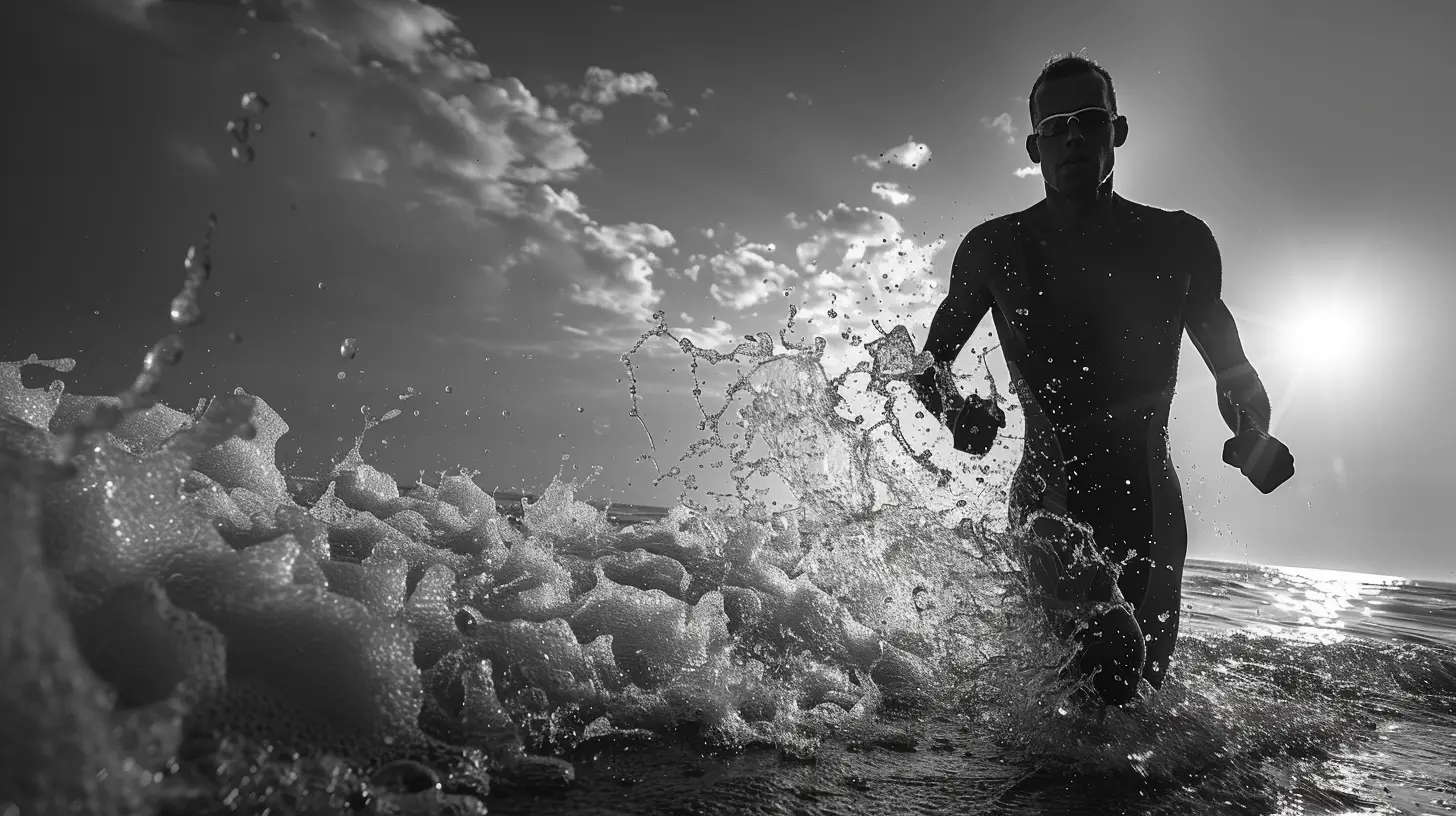
Interval Workouts for Swimming, Cycling, and Running
Now that we’ve covered the “why,” let’s get into the “how.” Below are sample interval workouts for each discipline of a triathlon. You can tailor these to your fitness level and goals, but they’re a great starting point.1. Interval Workouts for Swimming
Swimming can be a challenge for many triathletes, but intervals will help you build both endurance and speed in the water. Here’s a simple swim interval workout to get you started:Workout:
- Warm-up: 400 meters easy swim
- Main Set:
- 8 x 50 meters at 90% effort with 30 seconds rest between each
- Cool-down: 200 meters easy swim
Why it works: Those 50-meter sprints will help you develop speed and power, while the short rest period allows for partial recovery, keeping your heart rate elevated and improving endurance.
Pro Tip: Focus on maintaining good form during your sprints. It’s easy to let technique slip when you're fatigued, but form is crucial in swimming!
2. Interval Workouts for Cycling
Cycling is the longest segment of many triathlons, so developing efficient, powerful pedaling is key. Here’s a cycling interval workout to help you build strength and speed:Workout:
- Warm-up: 10 minutes easy spinning
- Main Set:
- 6 x 3 minutes at your maximum sustainable effort (around 85-90% of your max heart rate)
- 2 minutes easy spinning between each effort
- Cool-down: 10 minutes easy spinning
Why it works: The 3-minute intervals are long enough to push you to your limits, but short enough that you can maintain a strong effort. The active recovery in between helps flush out lactic acid and keeps you ready for the next round.
Pro Tip: Try to stay in the aero position during your intervals, as this will help you simulate race-day conditions and build strength in the muscles you’ll use on race day.
3. Interval Workouts for Running
Running is often the most challenging part of a triathlon, especially after a long swim and bike. Interval running workouts are great for building speed and endurance while preparing your legs for those tough race-day miles.Workout:
- Warm-up: 10 minutes easy jog
- Main Set:
- 8 x 400 meters at 85-90% effort with a 1-minute jog or walk between each
- Cool-down: 10 minutes easy jog
Why it works: These 400-meter repeats are short enough to keep your speed high but long enough to challenge your endurance. Over time, you’ll find that your ability to maintain pace improves, which is critical in a triathlon run.
Pro Tip: Try to run your intervals at your goal race pace or just slightly faster to help your body adapt to the speed you’ll need on race day.

Tips for Incorporating Interval Workouts Into Your Training
Now that you have some sample workouts, here are a few key tips to help you get the most out of your interval training:1. Start Slowly
If you're new to interval training, don’t jump straight into super intense sessions. Ease into it with shorter intervals and longer rest periods. Over time, you can increase the intensity and decrease the rest.2. Focus on Form
It’s tempting to go all out during intervals, but don’t sacrifice form for speed. Whether you're swimming, biking, or running, maintaining good technique is crucial to avoiding injury and maximizing your efficiency.3. Listen to Your Body
Interval training is tough, so it’s important to listen to your body. If you're feeling overly fatigued or sore, take a rest day or opt for a lighter workout. Recovery is just as important as the hard work!4. Mix It Up
Variety is the spice of life, and the same goes for interval training. Mix up your intervals by adjusting the duration, intensity, and rest periods. This will keep things interesting and prevent your body from getting too comfortable.Wrapping It Up
Interval workouts are a game-changer for triathletes. They help you build speed, endurance, and mental toughness, all while making the most of your training time. Whether you're in the pool, on the bike, or hitting the pavement, adding intervals to your routine will help you unlock your full potential and crush your next race.So, what are you waiting for? Lace up your shoes, pump up those bike tires, or grab your goggles—it’s time to unlock your speed with some killer interval workouts!
all images in this post were generated using AI tools
Category:
TriathlonAuthor:

Uziel Franco
Discussion
rate this article
2 comments
Valeris Fields
This article brilliantly highlights the importance of interval workouts for triathletes looking to enhance their speed. By incorporating varied intensity, athletes can improve both aerobic and anaerobic capacities, leading to better race performance. A well-structured interval regimen, as suggested, can be a game changer in training. Great insights!
February 5, 2026 at 12:58 PM
Uziel Franco
Thank you for your kind words! I'm glad you found the article useful in highlighting the benefits of interval workouts for triathletes. Happy training!
Elin McGeehan
Great article! Interval workouts are a game-changer for triathletes looking to boost their speed. I love how you broke down the benefits and provided clear examples. Can't wait to try these techniques in my training! Keep sharing those insights—every little bit helps us reach our goals faster!
January 5, 2026 at 9:32 PM
Uziel Franco
Thank you for your kind words! I’m glad you found the article helpful. Best of luck with your interval training—keep pushing those boundaries!