What the 2026 Matchup Taught Us About Closing Games
24 April 2026
You know that feeling, right? The one where your heart’s pounding so hard you can hear it in your ears, your palms are sweaty, and you’re gripping the edge of your seat like it’s a life raft. The clock’s ticking down, the score’s tied, and every possession feels like it could be the last. That’s the magic of sports—and the agony. But what happened in the 2026 matchup wasn’t just another game. It was a masterclass in the art of closing. And honestly? It taught us more than any textbook, highlight reel, or hot take ever could.
Let’s be real: closing games is the difference between a legend and a footnote. It’s the moment where talent meets pressure, and only the brave—or the prepared—walk away with the win. The 2026 matchup was a living, breathing case study. So grab your coffee, settle in, and let’s break down what that game revealed about the science, the grit, and the pure humanity of finishing strong.
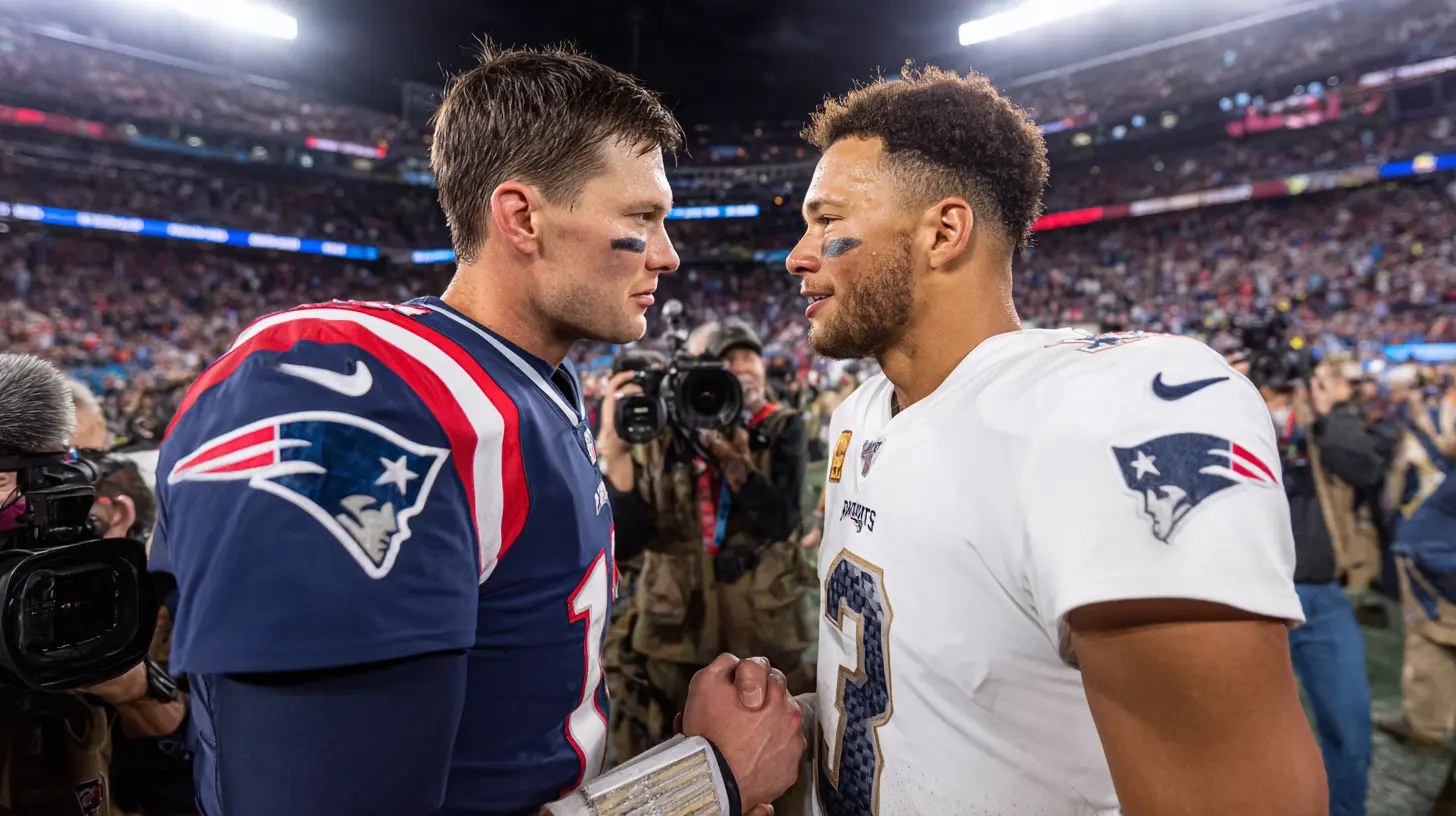
The Anatomy of a Collapse: Why Good Teams Lose Close Ones
First, let’s talk about the elephant in the room: the choke. We’ve all seen it. A team that’s dominated for three quarters suddenly forgets how to pass, shoot, or even breathe. In the 2026 matchup, we saw a textbook example of how momentum can flip faster than a pancake on a Sunday morning.Remember the third quarter? Team A had a double-digit lead. They were moving the ball like a well-oiled machine, making shots, forcing turnovers. But then—bam. The fourth quarter hit, and it was like someone flipped a switch. Suddenly, passes were sloppy, shots clanked off the rim, and defensive rotations looked like a game of musical chairs where nobody knew the rules.
What went wrong? It wasn’t just fatigue. It was a loss of focus. When you’re ahead, there’s a subtle temptation to play not to lose instead of playing to win. You start thinking, “Let’s just run out the clock,” instead of “Let’s bury them.” That hesitation is like a crack in a dam—small at first, but it grows until the whole thing bursts. The 2026 matchup taught us that closing games isn’t about protecting a lead; it’s about extending it. You don’t guard a fortress by sitting inside—you attack from the walls.

The Psychology of Pressure: Why Some Players Shine While Others Shrink
Let’s get into the headspace. Have you ever wondered why some athletes are clutch while others crumble? It’s not just about skill. It’s about how your brain processes the moment. In the 2026 matchup, we saw two distinct types of players: the ones who welcomed the heat and the ones who ran from it.Take Player X, for instance. With under two minutes left, the ball was in his hands. The crowd was deafening. The entire stadium—heck, the entire internet—was watching. Did he panic? No. He slowed down. He took a breath. He executed a simple pick-and-roll, drew a foul, and sank both free throws like he was shooting in an empty gym. That’s the clutch gene—or as I like to call it, the “ice water in the veins” factor.
But then there was Player Y. Same situation, different outcome. He got the ball, hesitated, forced a pass that was intercepted, and then fouled in frustration. What happened? Pressure turned his brain into a blender. He saw ghosts. The 2026 matchup taught us that closing games is 80% mental and 20% skill. If you can’t control your heart rate, your breathing, and your thoughts in those final moments, all the talent in the world won’t save you.
Here’s a metaphor: Think of pressure like a river. Some people try to fight the current, exhausting themselves and getting swept away. Others learn to swim with it, using the flow to propel them forward. The 2026 game showed us that the best closers don’t ignore the pressure—they ride it.
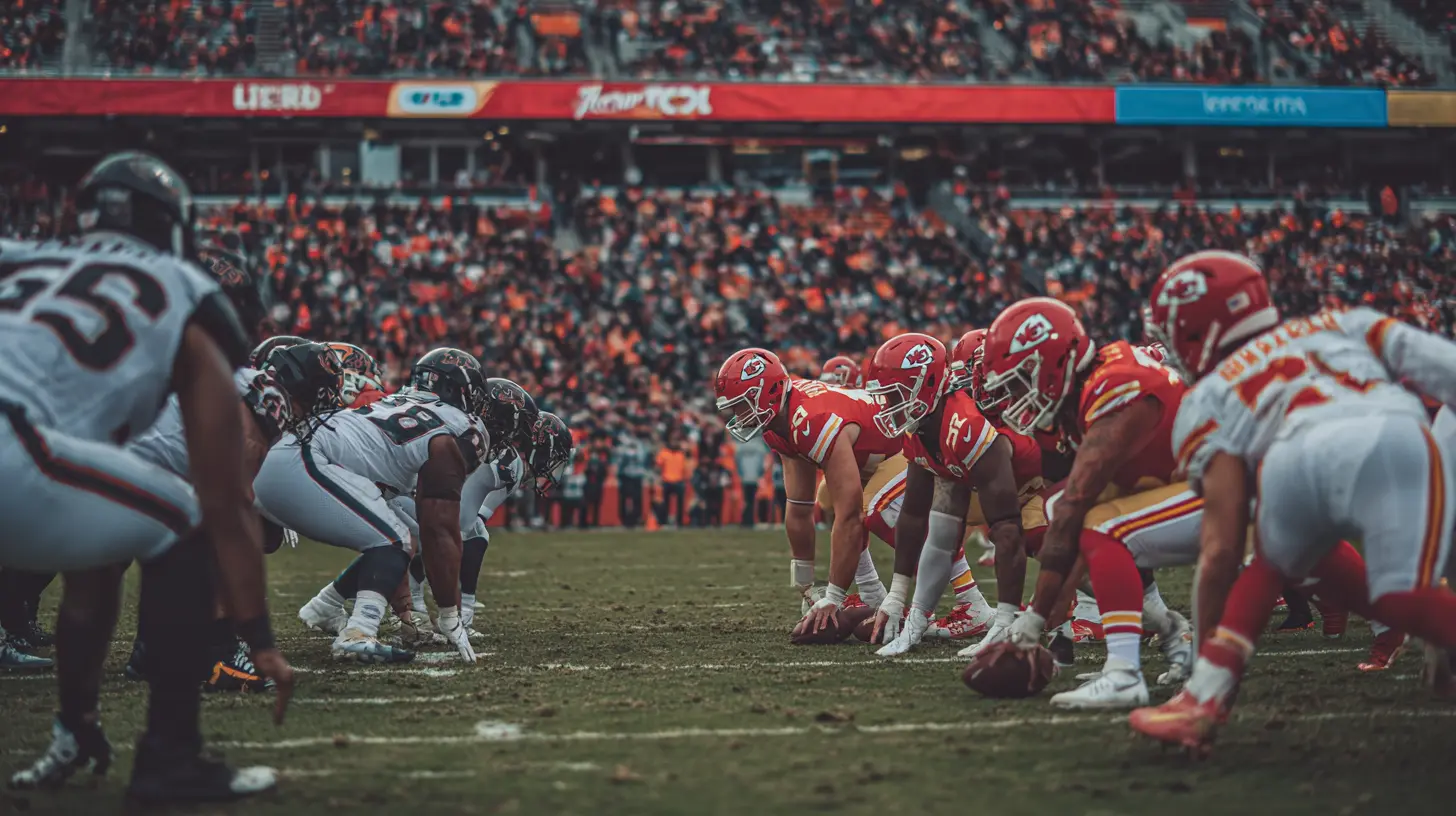
The Role of Coaching: Trusting the System vs. Going Rogue
Now, let’s give some credit—or blame—to the coaches. In the 2026 matchup, we saw two very different approaches to the final minutes. One coach stuck to his system like a sailor following a compass. The other went rogue, calling plays that looked like they were drawn up on a napkin during a timeout.Which one worked? Well, it depends on how you define “worked.” The coach who stuck to the system saw his team execute perfectly... until they didn’t. The problem? Systems are great for 45 minutes, but in the final three, they can become predictable. Opponents study film. They know your go-to plays. When the game’s on the line, you need to adapt.
On the flip side, the coach who went rogue caught everyone off guard—including his own players. One play was so bizarre that the point guard looked at the bench like, “Are you serious?” But it worked. They scored. Why? Because unpredictability is a weapon. The 2026 matchup taught us that closing games requires a balance: trust your system, but have the guts to improvise when the moment demands it. It’s like jazz music—you need to know the notes, but you also need to know when to play off-key.

The Importance of Execution: Details That Win Championships
Let’s zoom in on the micro. In the final two minutes of the 2026 matchup, every detail mattered. I’m talking about the small stuff that casual fans miss: the footwork on a screen, the angle of a box-out, the timing of a pass. These aren’t just “details”—they’re the difference between a victory and a heartbreak.Take the free-throw line. In the last minute, Team B missed three free throws. Three! That’s six points left on the table. In a game decided by four points, those misses were like leaving money on the counter at a store. The 2026 matchup taught us that fundamentals are non-negotiable. You can’t win close games if you can’t make free throws, secure rebounds, or avoid turnovers. It’s like building a house—if the foundation is shaky, the whole thing collapses.
And here’s a rhetorical question for you: How many times have you seen a team lose because of a lazy inbound pass? Too many. In this game, there was a moment where a player threw a casual pass that got tipped, leading to a fast-break layup. That one mistake swung the momentum. Closing games is about treating every possession like it’s your last—because it might be.
The Power of Momentum: How to Steal It and Keep It
Momentum is a weird beast. It’s invisible, but you can feel it. In the 2026 matchup, momentum shifted so many times that it felt like a tennis match. But here’s the key: the team that closed best didn’t just react to momentum—they created it.How? Through energy plays. A steal here, a block there, a loud celebration after a bucket. These aren’t just points—they’re psychological jolts. When Team C made a defensive stop and then sprinted down the court for a dunk, the whole arena changed. The opposing team’s shoulders dropped. Their body language said, “Here we go again.”
The 2026 matchup taught us that closing games isn’t just about the last shot. It’s about the sequence of events leading up to it. If you can string together three or four positive plays in a row, you create a wave that’s hard to stop. Think of it like a snowball rolling down a hill—it starts small, but by the time it reaches the bottom, it’s an avalanche. The best closers know how to start that snowball early.
The Human Element: Why Grit Beats Talent in the Clutch
Let’s get real for a second. Talent gets you to the dance, but grit gets you the trophy. The 2026 matchup was a perfect example of this. One team had more All-Stars, more highlights, more flash. But the other team had something else: heart.In the final minutes, we saw players diving for loose balls, taking charges, and screaming at their teammates to stay focused. It wasn’t pretty. It wasn’t elegant. But it was effective. The 2026 matchup taught us that closing games is often ugly. You don’t win by making highlight-reel plays. You win by doing the dirty work—the stuff that doesn’t show up in the box score.
I’m talking about the screen that freed up a shooter, the extra pass that led to an open look, the defensive rotation that forced a contested shot. These are the unsung heroes of close games. And if you’re a player reading this, remember: you don’t have to be the star to be the closer. You just have to be willing to do what others won’t.
Lessons for Coaches: Preparing Your Team for the Final Stretch
Coaches, this one’s for you. The 2026 matchup highlighted a few key areas you can focus on in practice. First, simulate pressure. Don’t just run drills—run scenarios. Put your team down by three with 30 seconds left. Make them feel the sweat. Make them hear the crowd (even if it’s just a speaker blasting noise). The more you practice closing, the more automatic it becomes.Second, teach decision-making under duress. In the 2026 game, we saw a player take a contested three-pointer when a drive to the basket was wide open. That’s a decision-making error. You can’t just say “play smart” and hope for the best. You need to drill specific reads: when to shoot, when to pass, when to drive. It’s like teaching a quarterback to read a defense—it takes reps.
Third, embrace the chaos. The 2026 matchup was messy. There were turnovers, missed calls, and broken plays. But the team that won didn’t panic. They adapted. As a coach, you need to prepare your players for the unexpected. Because in a close game, nothing goes according to plan.
What Fans Can Take Away: Appreciating the Drama
Finally, let’s talk about us—the fans. The 2026 matchup was a rollercoaster, and we felt every twist and turn. But what did we learn? For one, we learned to appreciate the tension. Close games aren’t just about the result; they’re about the journey. The missed free throws, the controversial calls, the last-second heroics—they all add up to something beautiful.And here’s a thought: maybe we should stop calling it “choking” when a team loses. Maybe it’s just the nature of competition. The 2026 matchup taught us that closing games is hard. It’s not a science. It’s an art. And like any art, it requires practice, passion, and a little bit of luck.
So the next time you’re watching a nail-biter, remember what this game showed us: the final minutes are where legends are made. Whether you’re a player, a coach, or a fan, there’s something to learn. And if you ask me, that’s what makes sports the greatest show on earth.
all images in this post were generated using AI tools
Category:
Post Game AnalysisAuthor:

Uziel Franco
Discussion
rate this article
1 comments
Sylph McCloud
Proving that pressure reveals character—clutch performances redefine champions, while others crumble under expectations.
April 24, 2026 at 2:34 AM
Uziel Franco
Absolutely, pressure can showcase true talent. It's fascinating how some rise to the occasion while others falter. That dynamic makes sports so compelling.