How Weather Conditions Impact Rugby Matches
5 February 2026
Rugby is one of those sports where grit, power, and strategy collide in a beautiful mess. But there’s another player on the field we often overlook—Mother Nature. Whether it's the blazing sun, torrential rain, biting cold, or heavy winds, weather can totally flip the script on a rugby game. Ever wondered why some teams dominate in the mud, while others fumble when the skies open up? It’s not just about skill—it’s about adaptation.
Let’s dive into how weather conditions impact rugby matches and why the skies can sometimes determine who walks off victorious.
The Unpredictable Nature of Rugby and Weather
Rugby isn’t played in perfectly controlled arenas. It’s raw and real, often played in the elements. Unlike sports that pause when rain starts pouring—rugby keeps going. And that’s what makes it so thrilling… and unpredictable.Different weather conditions can change the way the game is played, from the tactics teams use to the boots they put on. It affects players mentally and physically and forces coaches to get creative.
Rain: The Great Equalizer
Let’s start with the big one—rain. It’s no exaggeration to say rain can completely change how a rugby match unfolds.Slippery Conditions
Water and leather aren’t best buddies. A wet ball becomes a slippery nightmare, making it harder to pass, catch, or kick. It’s not uncommon to see more knock-ons and handling errors when it's raining. Players have to adjust by using shorter passes and holding the ball tighter.Adjusted Game Plan
In the rain, teams tend to shift away from flashy backline plays. They play a tighter game—think more scrums and rucks, fewer fancy offloads. It’s about grinding it out, inch by inch.Muddy Fields
Rain brings mud. And mud? Well, that means slower movement, heavy legs, and a battle in the trenches. It often benefits teams with a dominant forward pack who can bully their way upfield.
Wind: The Invisible Opponent
Wind might not seem as dramatic as a downpour, but trust me—it can mess with a game just as much.Kicking Chaos
Ever tried kicking into a headwind? Yeah, good luck. Wind affects the flight of the ball, especially in tactical kicking and conversions. Kickers have to compensate for drift, and misjudging it by even a little can cost points.Tactical Shifts
On windy days, teams might choose to play with the wind in the first half to build a lead, or against it, hoping to close strong when conditions are in their favor. The direction and strength of the wind play a huge role in decision-making.Backline Hiccups
Just like kicking, long passes get affected. A strong crosswind can throw a pass off course, making timing and execution extra tricky for the backs.
Heat: The Silent Stamina Killer
Now, let’s talk sun and scorchers. Playing in hot weather can be brutal. It’s not just about physical exhaustion—it’s about how heat chips away at focus and endurance.Dehydration and Fatigue
When the mercury rises, so does the risk of dehydration. Players sweat more, tire faster, and it affects decision-making. Ever noticed how games in the heat seem to slow down in the second half? That’s no coincidence.Strategic Substitutions
Coaches need to be smarter with their bench. Subbing in fresh legs becomes crucial, and water breaks can be game-changers—literally.Faster Grounds
On the flip side, dry conditions mean firmer pitches. The ball bounces higher, players run faster, and backline moves come alive. It benefits teams who like to play an expansive, running game.Cold: The Unexpected Disruptor
Cold weather might not turn the pitch to mush or dry it out like a bone, but it carries its own set of challenges.Muscle Stiffness
Colder temperatures can lead to tighter muscles—which means more injuries if players aren’t warmed up properly. You’ll often see more stop-start action and a slower tempo.Handling Errors
Let’s face it—no one wants to catch a frozen ball bare-handed. Players have to cope with numb fingers and often resort to simpler, safer plays.Mental Toughness
Cold games test a team’s mental strength. Some players go into hibernation mode, while others find that extra gear. A lot depends on mindset and preparation.Snow: A Rare But Wild Card
Rugby in the snow is rare—but when it happens, it's something else.Reduced Visibility
Snowfall can limit visibility, making it harder to judge distances and track the ball in the air. Whiteout conditions are disorienting, even for seasoned pros.Slippery Surface
Playing on snow is a literal slip-and-slide. Even with molded boots or longer studs, traction is minimal. Players must adjust their footing constantly, leading to a slower, more chaotic game.Psychological Impact
Snow adds an element of drama. Players and fans alike know they’re in for something special—or at least memorable. It’s often about who wants it more.Fog: When the Game Turns Mysterious
Fog doesn’t get as much attention, but it’s downright eerie when it rolls onto the field.Communication Breakdown
With limited visibility, players may not see their teammates clearly, which affects communication and execution. It’s easy to lose track of positioning.Tactical Tweak
Kicking becomes riskier because it’s tough to judge landing zones. If it’s hard for players to track the ball, imagine how much tougher it is for the fullback waiting under a high bomb.How Different Teams Adapt
Good teams don’t just play the weather—they play smart. Some teams are more equipped to thrive under certain conditions based on style and personnel.Northern vs. Southern Hemisphere
Northern Hemisphere teams, often playing in wet, cold conditions, have a reputation for strong forward packs and set-piece dominance. Southern Hemisphere teams? Speedy backs and open play are their trademark, thanks to sunnier, firmer pitches.Club-Level Adaptations
At the club level, familiarity matters. A team that trains in damp conditions will naturally perform better when it rains. Home-field advantage in rugby isn’t just about crowd support—it’s about weather familiarity too.Equipment Adjustments
Did you know even the type of boots players wear changes with the weather?- Longer studs for wet and muddy pitches.
- Molded soles for dry, hard grounds.
- Gloves or grip-enhancing sprays for handling slippery balls.
Every inch of advantage counts.
Mental Strength and Weather Challenges
Weather doesn’t just affect the physical game—it messes with heads too. The team that embraces the suck usually comes out on top.Rain, cold, or wind can crush spirits. But the mindset of “let’s embrace it” separates the winners from whiners. Coaches often train their teams in tough climates just to build this mental resilience.
Famous Weather-Influenced Matches
Let’s not forget some iconic games where weather was the main headline.- Rugby World Cup 2007: England vs. South Africa played in wet conditions that neutralized attacking play and turned it into a scrappy battle.
- Six Nations Matches: Heavy rain and snow during winter fixtures have led to some unforgettable, muddy affairs in Twickenham and Murrayfield.
- Super Rugby 2018: A game played in a literal downpour saw missed kicks, dropped balls, and a final score more suited to a soccer match.
These aren’t just games—they’re reminders that weather is the great equalizer.
Preparing for All Conditions: Training and Tactics
Top-tier teams don’t leave weather to chance—they train for it.- Practice with wet balls to simulate rainy conditions.
- Foggy day drills to hone communication.
- Hot-weather fitness sessions to build endurance.
Preparation is everything. Being ready for anything means fewer surprises on game day.
Closing Thoughts
So, the next time you see a stray pass fly off in the wind or a player slip in a tackle, remember—weather’s got its fingerprints all over that. It’s not just something to deal with—it’s part of the game. Weather conditions impact rugby matches in ways both subtle and massive.Whether you're watching from the stands, coaching the squad, or betting on a match, always consider what the sky’s got planned. Because rain, shine, or sleet—weather is always on the team sheet.
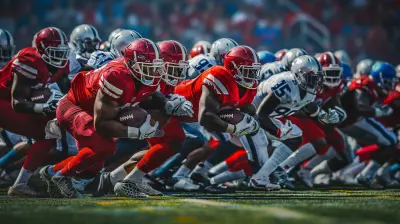
all images in this post were generated using AI tools
Category:
RugbyAuthor:

Uziel Franco
Discussion
rate this article
2 comments
Robert McCool
Beneath tempest's howl or sun's fierce glare, rugby's heart beats; nature's dance shapes the game we share.
March 7, 2026 at 12:13 PM
Uziel Franco
Thank you! You've beautifully captured how the elements influence both the game and its spirit. Weather truly is a vital player in rugby!
Sabrina McIntyre
Weather significantly influences rugby, affecting player performance and strategy. Understanding these conditions can be crucial for teams aiming to gain a competitive edge.
February 5, 2026 at 4:30 AM
Uziel Franco
Absolutely, weather can dramatically shape a match's outcome, influencing not just performance but also strategic decisions. Teams that adapt effectively can gain a significant advantage.