The Future of All-Star Games: What’s Next for These Iconic Events?
9 July 2026
All-Star games have always held a special place in the world of sports. Whether it's the NBA, NFL, MLB, or NHL, these events bring together the best players, creating a spectacle that fans eagerly anticipate year after year. But, just like everything else, the All-Star games are evolving. As we look ahead, one question comes to mind: What does the future hold for these iconic events?
In an era where sports are rapidly changing with technology, fan engagement, and shifting priorities, All-Star games are not immune to these trends. From new formats to the integration of digital experiences, the future of All-Star games is something every sports fan should keep an eye on. So, let’s dive deep into what could be next for these beloved showcases.
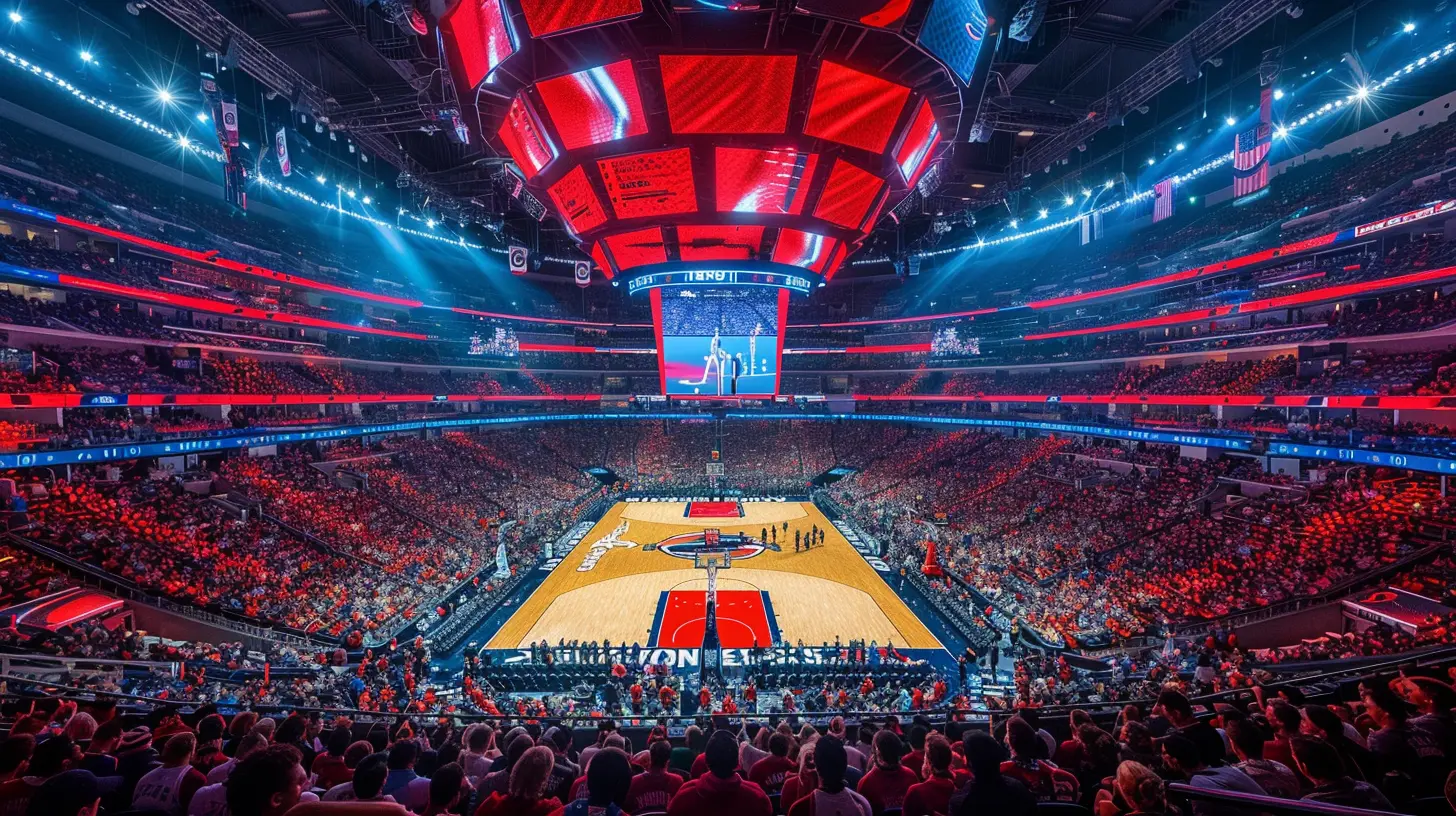
Are All-Star Games Losing Their Spark?
Let’s face it, not everyone is thrilled by today’s All-Star games. While the idea of gathering the best athletes on one stage is exciting, some fans argue that the games have lost their competitive edge. Often, they feel more like glorified exhibitions than true competitions. The intensity we see during the regular season or playoffs just isn’t there.Why? Well, for one, the athletes are aware that these games are just for show. There’s no real pressure to win, and nobody wants to risk getting injured during what’s essentially a fun event. Because of this, the games can sometimes feel a bit lackluster. It’s like watching a Ferrari on a Sunday drive instead of taking it to a racetrack. Sure, it’s still impressive, but it’s not quite the thrill ride fans are hoping for.
So, if the All-Star games aren’t delivering the excitement they once did, what can be done to spice things up?
The Need for Innovation
To keep fans engaged, leagues are going to have to get creative. We've already seen some innovation in recent years, but the future will likely bring even more changes. Let’s break it down.1. New Formats and Rules
One of the simplest ways to breathe new life into All-Star games is by changing the format. We’ve already seen the NBA experiment with this by moving away from the traditional East vs. West setup to a team captain draft system. It’s fresh, it’s different, and it adds an element of unpredictability.Could other leagues follow suit? Imagine if the NFL allowed fans to vote on team captains or mixed players from different conferences. Or what if MLB allowed teams to draft players regardless of league affiliation? These kinds of changes would add intrigue and keep fans guessing. It’s like shaking up the rules of a board game you’ve played a thousand times—it makes everything feel new again.
2. Incorporating Player Challenges
Another possibility is expanding the skills challenges and making them a bigger part of the event. Fans love watching players show off their unique talents, and these events often provide some of the weekend’s most memorable moments.Think about the NBA’s three-point contest or the NFL’s quarterback challenge. These types of events allow players to showcase their individual talents without the risk of injury. Plus, they’re fun! We could see leagues doubling down on these challenges, creating more interactive and competitive formats that engage both players and fans.
Imagine an MLB home run derby but with a twist—players have to hit targets or aim for specific zones. Or what if the NHL introduced a trick-shot competition, where players get points for creativity and execution? The possibilities are endless.
3. Fan-Centric Experiences
In today’s world, fans want to feel like they’re part of the action. All-Star games of the future could focus more on this by offering immersive experiences that go beyond just watching the game.We’re already seeing the rise of virtual reality (VR) and augmented reality (AR) in sports broadcasting. In the future, fans could potentially “sit courtside” at an NBA All-Star game through VR or participate in live polls that influence the game’s outcomes. Imagine if fans could vote in real time for which player takes the next shot or what play should be run next. It’s a level of interactivity that would take fan engagement to the next level.
Additionally, social media has become a crucial part of the fan experience. Future All-Star weekends could integrate social media challenges, where fans can win prizes for sharing their favorite moments or predicting game outcomes. The goal is to make fans feel like they’re not just spectators but active participants in the event.

Will Technology Transform All-Star Games?
Technological advancements are reshaping sports across the board, and All-Star games are no exception. From the introduction of advanced analytics to the use of wearable tech, technology is already changing how athletes train and perform. But how will it impact the actual games?1. Wearables and Performance Tracking
Wearable technology is becoming increasingly common in professional sports. These devices track everything from heart rate to movement patterns, allowing teams to optimize player performance. In the future, we could see these wearables making their way into All-Star games.Imagine if fans could get real-time data on their favorite players during the game. You could see how fast a player is running, how high they’re jumping, or how hard they’re throwing. This kind of data would add a new layer to the viewing experience, giving fans insights they’ve never had before.
2. AI and Data Analytics
Artificial intelligence (AI) and data analytics are already being used to improve player performance and team strategies. But what if AI could be used to enhance the All-Star experience for fans?For example, AI could be used to create personalized highlight reels based on a fan’s favorite players or play styles. It could also predict game outcomes or provide in-depth analysis during the event. The future of All-Star games could see AI being used to deliver a more tailored and interactive experience for every fan.
3. Esports Integration
Another potential game-changer is the integration of esports into All-Star weekends. Esports is already booming, and many traditional sports leagues are taking notice. We could see a future where All-Star weekends feature esports tournaments alongside the traditional games.Fans would get to watch their favorite athletes compete in video game versions of their sport, adding a new layer of entertainment to the event. For younger fans who are already deeply invested in both traditional sports and esports, this would be the ultimate crossover event.

The Role of Celebrity and Entertainment
All-Star weekends are about more than just the games. They’ve always had a strong connection to pop culture, with celebrity appearances, musical performances, and other entertainment elements. As we look to the future, this aspect of All-Star games is likely to become even more important.1. Celebrity Involvement
Celebrities and athletes have always had a symbiotic relationship, and we’re likely to see even more celebrity involvement in future All-Star events. Whether it’s through celebrity games, halftime performances, or social media shout-outs, entertainment will continue to play a big role.Imagine a future where All-Star weekends are more like mini-festivals, combining sports, music, and pop culture into one massive celebration. It’s not just about the game anymore; it’s about creating an experience that resonates with a broad audience.
2. Crossovers with Other Sports
We might start to see more cross-sport collaboration as well. Picture an event where NBA players team up with NFL stars for a multi-sport challenge. Or imagine MLB sluggers competing against NHL players in a skills showdown. These types of crossovers could not only create buzz but also attract fans from different sports, expanding the event’s appeal.The Future Is Exciting, But Uncertain
While changes are inevitable, one thing is clear: the future of All-Star games is full of possibilities. Whether it’s new formats, increased fan interaction, technological innovations, or celebrity involvement, these iconic events are poised to evolve in exciting ways.The real challenge, however, will be keeping the essence of what makes All-Star games special while adapting to the changing landscape of sports. Fans want to see the best players in the world compete at the highest level, but they also crave excitement, innovation, and a sense of involvement.
As long as leagues are willing to listen to their audiences and embrace new ideas, the future of All-Star games looks bright. And who knows? The All-Star game of tomorrow might be something we can’t even imagine today.
Conclusion
So, what’s next for All-Star games? The answer lies in a combination of tradition and innovation. While the core idea of showcasing the best athletes isn’t going away, the way we experience these games will continue to evolve. From new formats and tech-driven fan experiences to more celebrity involvement, the All-Star games of the future are shaping up to be more exciting and interactive than ever before.all images in this post were generated using AI tools
Category:
All Star GamesAuthor:

Uziel Franco