The Role of Parents in Youth Sports: Finding the Right Balance
29 May 2026
Youth sports can be a rollercoaster ride, not just for the athletes but also for their parents. There's excitement, anxiety, joy, and sometimes even frustration all wrapped into one experience. Parents often play a crucial role in their children's athletic journey, but finding the right balance between support and over-involvement can be tricky. Ever heard of the term "helicopter parenting"? Yeah, that’s definitely something to avoid when it comes to youth sports.
In this article, we’re going to break down the role parents play in youth sports, explore the fine line between being supportive and overbearing, and offer some practical tips to help parents strike the right balance. Let’s dive in!

The Importance of Parental Involvement in Youth Sports
Parents are typically the first source of encouragement for children, whether it's in school, hobbies, or sports. In youth sports, parental involvement is not only beneficial but often essential. Think about it: who’s driving them to practice, paying for uniforms, and cheering on the sidelines? You are!But beyond the logistics, parents have a massive impact on their child's overall experience in sports. The way you react to successes and failures, how you communicate with coaches, and even how you behave during games can shape your child's attitude toward the sport.
Positive Parental Involvement
When done right, parental involvement can:- Boost a child’s confidence: Knowing that mom or dad is supportive can motivate a young athlete to push harder and believe in themselves.
- Enhance enjoyment: If parents create a positive environment around sports, kids are more likely to enjoy the game and stick with it.
- Foster a healthy attitude toward competition: Parents who emphasize effort, teamwork, and learning from mistakes help their kids develop a growth mindset, which is invaluable both in sports and life.
When Involvement Turns to Over-Involvement
However, there’s a fine line between support and control. Some parents can get too emotionally invested in their child’s athletic success, which can lead to negative consequences.When parents become over-involved, they might:
- Put too much pressure on their child: Constantly pushing for wins, better stats, or scholarships can turn the game into a source of stress rather than fun.
- Undermine the coach’s role: Parents who challenge every decision the coach makes can confuse the child and disrupt the team dynamic.
- Create tension: Overly critical behavior or sideline antics can cause embarrassment or resentment in the child, leading to a strained parent-child relationship.
What Over-Involvement Looks Like
Sound familiar? You might be over-involved if:- You’re yelling instructions from the sidelines during games.
- You regularly critique your child’s performance on the ride home after practices or matches.
- You’re more upset than your child after a loss.
- You’re constantly talking about sports, even when your child wants to discuss something else.
- You’re pushing for more playing time or a higher-level team, even when your child isn’t interested.
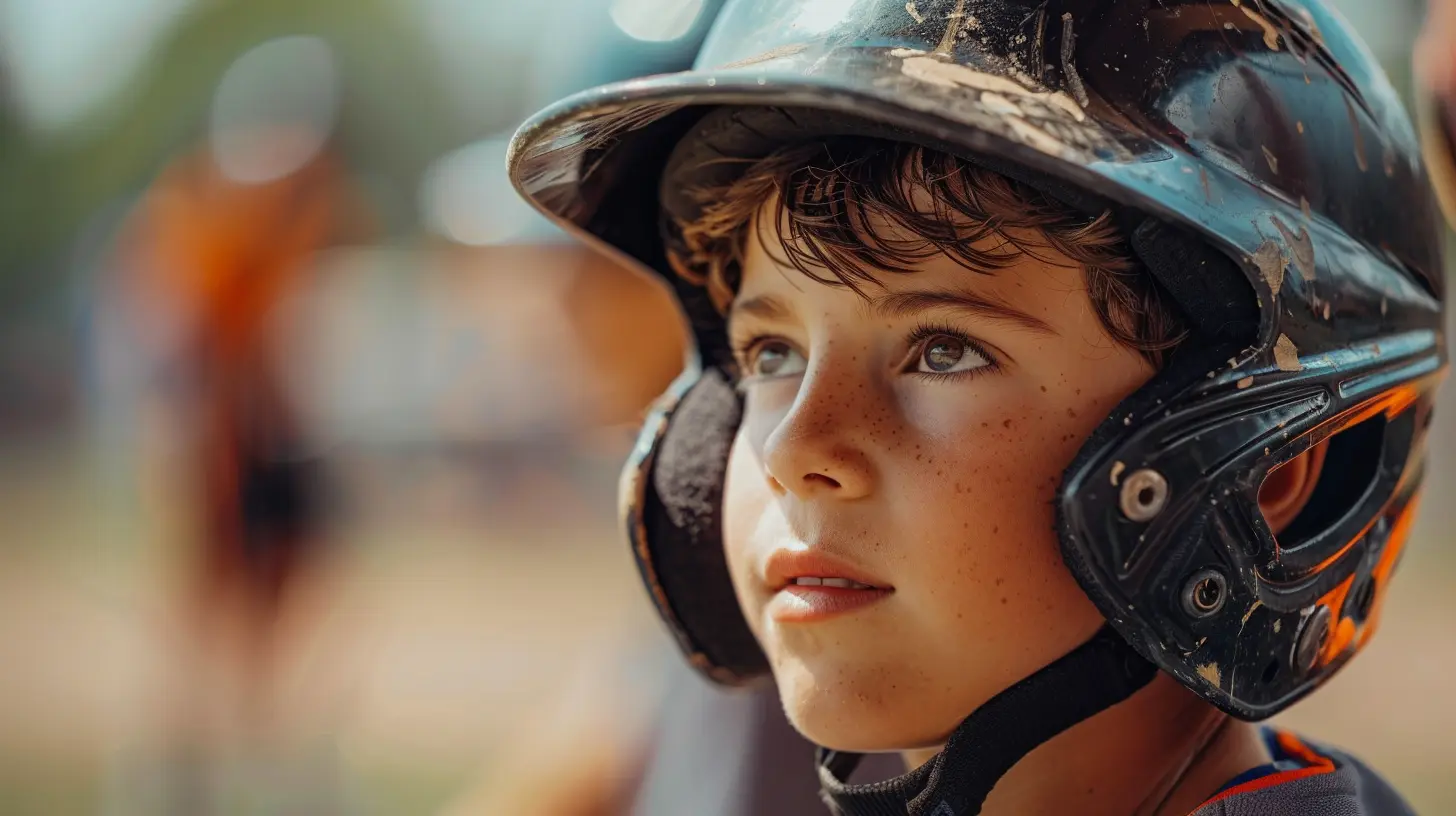
Striking the Right Balance
So, how do you find the sweet spot between being a supportive parent and an over-involved one? It’s all about balance, and — spoiler alert — it’s easier than you think.Listen to Your Child
First and foremost, take cues from your child. Are they passionate about the sport, or are they just doing it because they think you want them to? Sometimes, kids engage in activities to please their parents. If they're not enjoying the sport, it might be time to have a heart-to-heart and figure out what they really want.Remember, not every child is going to be the next LeBron James or Serena Williams, and that’s okay. What’s more important is that they enjoy the process, learn valuable life lessons, and make lasting memories.
Focus on Effort, Not Outcome
Winning is great, and let’s be honest, we all love to see our kids succeed. But sports are about much more than trophies and medals. Emphasizing effort over outcome helps your child develop resilience, discipline, and a love for the game.Instead of asking, “Did you win?” try asking, “Did you have fun?” or “What did you learn today?” These types of questions send the message that you care more about their growth and experience than just their performance.
Let the Coaches Do Their Job
It can be tempting to step in when you think the coach is making a bad call or not giving your child the playing time you believe they deserve. But remember, the coach is there for a reason. Trust their expertise and allow them to guide your child’s development.If you have concerns, approach the coach respectfully and privately. Avoid questioning their decisions in front of your child or other parents.
Keep It Fun
At the end of the day, youth sports should be fun. Yes, even if your child is playing in competitive leagues. If the sport becomes a source of stress or anxiety, something’s not right. Encourage your child to enjoy the game, make friends, and relish the experience.When sports are fun, children are more likely to stay engaged, develop a passion for physical activity, and carry a positive attitude into adulthood.

The Emotional Side of Youth Sports
Let’s talk about emotions for a second. Youth sports can be an emotional rollercoaster — for both kids and parents. Your child will experience wins, losses, and everything in between. And guess what? So will you.But here’s the thing: how you handle these emotions can have a lasting impact on your child’s perspective.
Managing Disappointment
It’s hard to watch your child lose or struggle in a sport they love. You may want to swoop in and fix everything for them, but that’s not always helpful. Part of playing sports is learning how to handle disappointment.Instead of focusing on the loss or failure, help your child see it as an opportunity to grow. Encourage them to reflect on how they can improve, both as an athlete and a teammate. Reassure them that setbacks are a natural part of any journey and that they don’t define who they are.
Celebrating Wins — Without Going Overboard
On the flip side, it’s also important to manage how you celebrate wins. Of course, you should be excited when your child succeeds, but it’s essential to keep things in perspective. Showering them with excessive praise can create the impression that their worth is tied to their performance.Celebrate their hard work, teamwork, and sportsmanship, rather than just the result. This encourages a balanced view of success.
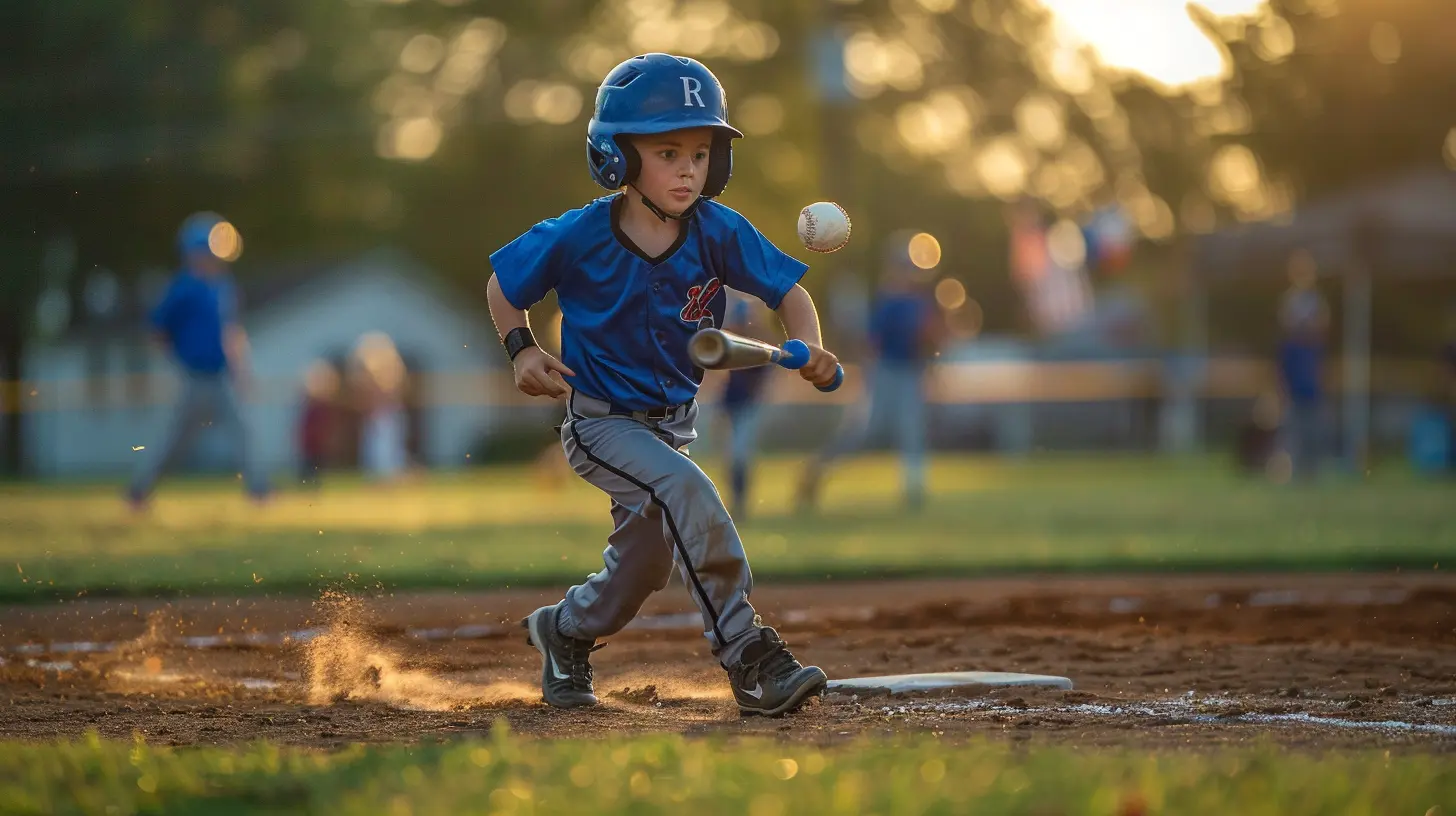
The Role of Sportsmanship and Character Building
Youth sports are about more than just physical skills. They play a significant role in shaping a child’s character. This is where parents can have a huge influence.Teaching Respect and Humility
Whether your child is winning or losing, teaching them to respect their opponents, teammates, and coaches is crucial. Kids pick up on how their parents behave, so if you’re bad-mouthing the referee or complaining about the other team, don’t be surprised if your child does the same.Humility is another lesson that sports can teach. Encourage your child to stay humble, even when they’re on top. It’s easy to get caught up in the thrill of victory, but a humble attitude will serve them well in sports and beyond.
Building Resilience
Resilience is one of the most valuable life skills youth sports can instill in a child. Every athlete, no matter how talented, faces challenges — whether it’s losing a game, getting benched, or dealing with injuries. As a parent, you can help your child build resilience by encouraging them to persevere through tough times.Rather than shielding them from failure, show them how to bounce back. This will not only make them better athletes but also more adaptable adults.
Practical Tips for Parents to Support Their Child in Sports
1. Be their biggest cheerleader, not their coach: Leave the coaching to the professionals. Focus on being a source of encouragement and support.2. Don’t live vicariously through your child: It’s easy to project your own dreams and aspirations onto your child. Remember, this is their journey, not yours.
3. Create a positive post-game ritual: Instead of dissecting the game on the car ride home, ask open-ended questions like, “What’s something you’re proud of from today’s game?” or “What did you enjoy the most?”
4. Encourage a healthy balance: Sports are important, but they shouldn’t be the only thing in your child’s life. Encourage other interests and make sure your child has time to relax and just be a kid.
5. Model good behavior: Your child watches how you react to situations. Show them how to handle both success and failure with grace.
Conclusion
The role of parents in youth sports is undeniably significant, but it’s all about balance. While it’s natural to want the best for your child, over-involvement can do more harm than good. By being supportive, focusing on effort over results, and allowing your child to take ownership of their athletic journey, you can help them not only become better athletes but also better people.So next time you’re on the sidelines, remember: your job is to be their biggest fan, not their coach. Keep it fun, keep it positive, and enjoy the ride together!
all images in this post were generated using AI tools
Category:
Youth SportsAuthor:

Uziel Franco
Discussion
rate this article
1 comments
Vera McVicker
This article highlights a crucial aspect of youth sports. Parents play a vital role in shaping their children's experience, and finding that balance between support and pressure is key. Encouraging fun and teamwork while respecting boundaries can lead to healthier youth sports environments.
June 15, 2026 at 9:03 PM